 logo

Building an e-commerce website is an exciting venture that offers the potential for a profitable online business due to the continued growth of e-commerce sales globally (as you can see in the image below). However, it’s not as simple as just setting up a website and waiting for sales to roll in. Many entrepreneurs fall into common traps that can hinder the success of their online store. To help you navigate the process more effectively, here are some of the most common mistakes to avoid when creating an ecommerce website and tips on how to get it right.

Avoid these mistakes when creating an e-commerce website
I’ve worked with small businesses to help them succeed in digital marketing for well over a decade. Most of these businesses will ultimately fail to meet their creator’s vision because they have a set-it-and-forget-it approach to creating an e-commerce website. They throw up a poorly designed website on a website builder platform such as Wix and they’re done. That approach will NEVER succeed.
Instead, creating an e-commerce website built on a fast host, uses up-to-date website design, attractive images, a slick checkout process, and valuable content. It takes continued effort to craft content and monitor metrics so you can make data-driven decisions that optimize your performance. After reading this post, you should have a good idea of how to create a website that rocks.
1. Neglecting mobile optimization
One of the biggest mistakes small businesses make when creating an e-commerce website is not optimizing it for mobile users. In 2024, 60-70% of all web retail traffic is coming from mobile devices, so a website that isn’t mobile-friendly can significantly reduce your potential revenue. In addition, around half of all emails are opened on a mobile device. Since email marketing is a critical element of turning visits into customers, your email should also be optimized for mobile devices.
Slow-loading pages, poor navigation, or a checkout process that’s difficult to complete on a smartphone can lead to high bounce rates and lost sales.
How to avoid it: Ensure your website is responsive, which means it adjusts to different screen sizes and devices. Test your e-commerce site on various devices and browsers to guarantee a smooth shopping experience. Consider using a mobile-first design approach, where the mobile version is created first and then scaled up for larger screens. This strategy can help you create an e-commerce website that caters to the growing number of mobile shoppers.
2. Complicated checkout process
 A complicated or lengthy checkout process (like the one shown above) is a common problem. Shoppers prefer a quick and easy experience. If the purchase process involves too many steps, they are likely to abandon their carts. Note that, in the image above, over 2000 visitors put something in their shopping cart, but only 488 completed their purchase. At each step, more prospective customers drop out of the funnel. Unnecessary form fields, mandatory account creation, or limited payment options can all lead to cart abandonment.
How to avoid it: Streamline the checkout process by minimizing the number of steps. Offer a guest checkout option for customers who don’t want to create an account. Include multiple payment methods, such as credit cards, PayPal, and digital wallets, to make it easy for customers to complete their purchases.
3. Poor product photography
In the world of online shopping, visuals play a crucial role in influencing buying decisions. Low-quality images or a lack of variety in product pictures can make items appear less appealing, prompting customers to seek alternatives elsewhere. For instance, Zappos (before merging with Amazon) tested various angles to photograph shoes and found one angle produced significantly higher sales of the identical shoe than other angles. Poor product photography fails to provide the details customers need to make informed decisions, increasing the likelihood of returns and dissatisfaction or a premature exit from the site without making a purchase.
How to avoid it: Invest in professional photography or learn the basics of product photography. Use high-resolution images and provide multiple views of each product. Consider adding zoom functionality, videos, or 360-degree photos to give customers a better understanding of what they’re buying.
4. Ignoring search engine optimization (SEO)
Some e-commerce website owners assume that simply having a website is enough to attract visitors. However, without proper SEO, your site might not show up in search engine results, making it difficult for potential customers to find you. Poor SEO can lead to low visibility, missed sales opportunities, and a lack of growth.
This image demonstrates the importance of SEO for the success of any website, and it lists the key factors search engines use when ranking your website content. By focusing on these factors when creating an e-commerce website, posting valuable content consistently, and monitoring your SEO performance, you’ll see sales flourish. Note that those website builders can’t deliver the best SEO for your website due to poor coding.
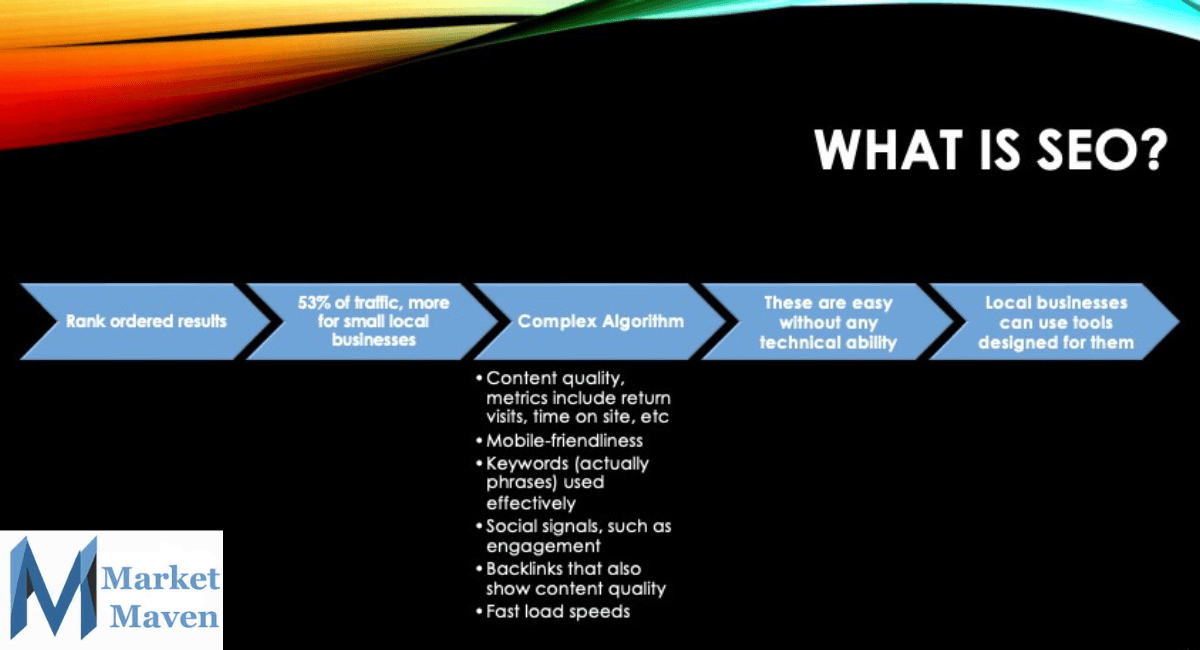
How to avoid it: Implement a solid SEO strategy from the start. Conduct keyword research to identify the terms your target audience uses when searching for your products. Optimize product descriptions, meta tags, and URLs with relevant keywords. Regularly update your site with fresh content, such as blog posts or product guides, to improve search engine rankings.
5. Lack of user-friendly navigation
A website with a confusing layout or difficult-to-find categories can frustrate users, causing them to leave before making a purchase. If visitors cannot easily find what they are looking for, they’re less likely to spend time on your site or make a purchase.
How to avoid it: Design your website with straightforward navigation. Use a logical structure for categories and subcategories, and make sure there’s a search function available. Implement filtering options for product searches (e.g., size, color, price) to help users quickly narrow down their choices. Ensure that your menu is easy to understand and accessible from any page.
6. Not prioritizing website speed
Slow-loading websites can deter customers, leading to high bounce rates. Studies show that even a one-second delay in page load time can result in a significant drop in conversion rates. Website speed affects user experience and search engine rankings. Here again, those website builders fail to deliver.
How to avoid it: Optimize images and use content delivery networks (CDNs) to reduce load times. Limit the use of heavy scripts and plugins that can slow down your site. Regularly test your website’s speed using tools like Google PageSpeed Insights and implement recommendations to improve performance.
7. Overlooking security measures
Security is crucial for an e-commerce website, as customers are sharing sensitive information like credit card details and personal data. Failing to secure your website can lead to data breaches, loss of customer trust, and potential legal liabilities. Some payment portals require a secure website in exchange for allowing you to accept their tools as payment.
How to avoid it: Implement SSL certificates to encrypt data and provide secure transactions. Use reliable payment gateways that comply with industry security standards. Keep your website software, plugins, and themes updated to protect against vulnerabilities. Additionally, inform customers about the security measures in place to reassure them.
8. Not offering sufficient customer support
Online shopping lacks the face-to-face interaction of traditional retail, so providing exceptional customer service is essential, as you can see in the image below. If customers have questions or issues and can’t reach someone for help, they might abandon the purchase or leave a negative review.

How to avoid it: Provide multiple contact options, such as live chat, email, and phone support. Consider implementing a chatbot for quick responses to common queries. Make your customer service information easily accessible, and ensure that inquiries are addressed promptly.
9. Failing to include clear return policies
Unclear or hidden return policies can discourage potential buyers. Customers want to know that if the product isn’t right, they can return it easily. With competition from Amazon, with its easy return policies, a return policy that is too restrictive or hard to find can deter sales.
How to avoid it: Display your return policy prominently on your website and keep it straightforward. Include details on how to initiate a return, any associated costs, and the timeframe for returns. A transparent policy builds trust and encourages shoppers to make a purchase.
Conclusion
It is essential to plan carefully and pay attention to details when creating an e-commerce website that succeeds. Avoiding common mistakes such as neglecting mobile optimization, complicating the checkout process, and overlooking SEO can help you create a more effective and user-friendly online store. Focus on providing a smooth, secure, and enjoyable shopping experience, and you will be well on your way to growing a thriving e-commerce business.
Need marketing help to support business growth?
We welcome the opportunity to show you how we can make your marketing SIZZLE with our data-driven, results-oriented marketing strategies. Sign up for our FREE newsletter, get our FREE guide to creating an awesome website, or contact us for more information on hiring us.
Hausman and Associates, the publisher of MKT Maven, is a full-service marketing agency operating at the intersection of marketing and digital media. Check out our full range of services.
Discover more from MKT Maven
Subscribe to get the latest posts sent to your email.


