 logo

Storytelling can transform complex objectives into narratives that resonate with the heart and mind. It allows organizations to connect deeply with donors, volunteers, and stakeholders to support their fundraising efforts and their mission effectively.

But what makes a story powerful? It’s not just the facts; it’s the emotions, the people, and the purpose behind them that matter when it comes to achieving your goals. Thus, this article explores how storytelling can help you create powerful narratives that inspire action, whether you aim to boost donations, enhance engagement, or spread awareness.
How to craft a compelling story
Foundations often work toward ambitious goals like reducing inequality, finding a cure for diseases, supporting those in need, or addressing systemic challenges. While these objectives are vital, they can seem abstract or too overwhelming for the average person to relate to. Storytelling bridges this gap by breaking down complex missions into relatable narratives and generating emotions that drum up support for your causes.
The following strategies can help you craft compelling stories:
Consult a PR expert
Consulting social impact PR firms to help craft stories for your foundation can be a valuable step toward effectively communicating your mission. Their experience in storytelling allows them to highlight the aspects of your work that inspire action. Search for one that understands the region where the foundation is based because regional knowledge enables the firm to craft narratives that reflect the community’s identity. For example, a PR firm familiar with a region’s traditions or language nuances can ensure storytelling feels authentic.
In addition, a regionally knowledgeable firm provides insight into the local media landscape, influential community leaders, and the communication channels most effective in that area. They can leverage this understanding and the connections they have to distribute stories strategically, ensuring they reach the right audience at the right time with the right message. Furthermore, such firms are better equipped to handle cultural sensitivities, ensuring that storytelling efforts are respectful and inclusive.
Searching online simplifies finding PR firms tailored to a specific region by allowing targeted queries. For example, in San Francisco, you can search for Santa Cruz, Stanislaus, or Bay Area public relations firms to identify agencies with local expertise.
Define a clear and consistent narrative
A well-defined story is the backbone of all communication, providing a unified message that resonates across different platforms and audiences. Therefore, foundations must ensure their storytelling begins with a clear and consistent narrative that aligns with their mission and values.
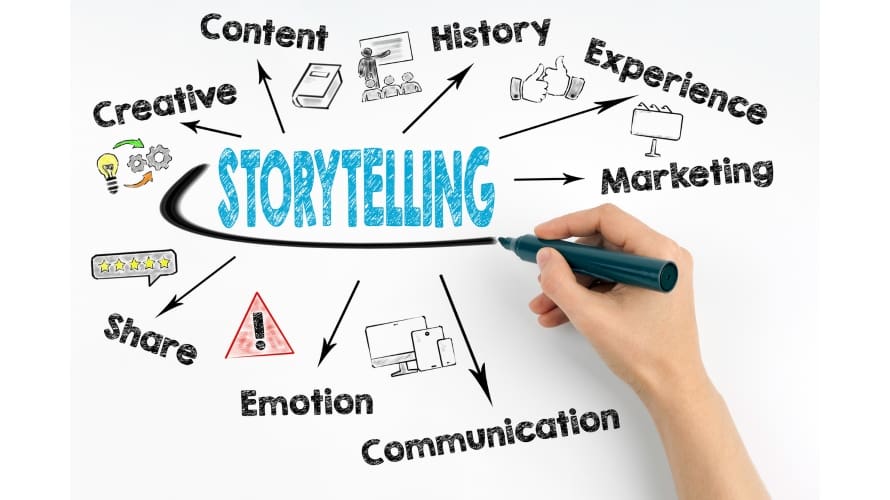
This narrative should encapsulate the purpose, what it stands for, and the impact it seeks to achieve. In addition, consistency is key; a fragmented message can confuse audiences and weaken the emotional connection.
Highlight personal impact stories
At the heart of compelling storytelling are the individuals or communities impacted by your efforts. Think about the campaigns that support a children’s hospital, showing images of children stricken with serious illnesses or helpless animals that are mistreated. You can see how pulling on the emotional heartstrings helps an organization reach its goals. Just ensure your campaign doesn’t generate so much disgust that viewers change the channel or discard your mail campaigns unread, such as the Sarah McLachlan commercial for SPCA, which is so heartbreaking she can’t even watch it.
Hence, sharing personal stories with the images of the people impacted by your non-profit puts a face to the mission, making it relatable and emotionally engaging. These narratives allow audiences to see the tangible results of the work, whether the story highlights a family gaining access to clean water or a community recovering from a crisis. Such personal stories evoke empathy and inspire action by shifting focus from abstract goals to real-life transformations, making the cause feel immediate and meaningful.
Leverage data to strengthen the story
While emotional storytelling draws people in, data provides the credibility needed to validate claims. Thus, combining emotional anecdotes with statistics or measurable outcomes creates a compelling and well-rounded narrative. For example, sharing how a program helped one individual, along with data showing the number of people impacted overall, demonstrates the personal and collective significance of the work.
Use diverse storytelling formats
Foundations can amplify their storytelling efforts by using a variety of formats to reach different audiences. Videos, for instance, are excellent for creating emotional connections, while blogs or articles allow for a more in-depth exploration of a topic. Further, social media platforms are perfect for short, impactful stories that encourage immediate engagement.
A compelling image or a short video can evoke emotions more effectively than text alone, making the story more engaging and easier to share. Visuals also help break down complex information, such as program statistics or financial impact, into digestible formats accessible to a broader audience.
Engage your stakeholders

Involving stakeholders in the storytelling process adds authenticity and depth to your narratives. Beneficiaries, donors, and volunteers all bring unique perspectives that can enrich the story. It demonstrates the inclusivity and collaborative nature of your mission. On top of that, engaging stakeholders in storytelling fosters a deeper connection and encourages long-term support.
Be authentic and transparent
Authenticity builds trust, and trust is essential for sustaining long-term support. Hence, foundations should avoid exaggerating their successes or downplaying their challenges. Honest storytelling that includes triumphs and setbacks demonstrates integrity and commitment to the mission. In addition, transparency about how funds or the obstacles faced in achieving goals helps foster credibility and encourages audiences to invest in the cause.
Invite action through storytelling
Every story a foundation shares should conclude with a clear call to action, whether the purpose is encouraging donations, recruiting volunteers, or inspiring advocacy. Effective calls to action are specific, actionable, and tied directly to the story. For instance, after sharing the story of a family helped by a clean water project, the foundation could invite supporters to sponsor similar projects. Providing a tangible way to contribute makes it easier for audiences to engage and feel like part of the solution.
Measure and refine your efforts
Tracking metrics like audience engagement, donations, or social shares can provide insights into which stories resonate most. In addition, feedback from stakeholders can also help identify areas for improvement. Analyze these results and refine your approach so that your stories remain impactful and relevant.
The importance of timing
Foundations can maximize impact by aligning their stories with key moments such as fundraising campaigns, global awareness days, or seasonal events. For example, sharing a story about a food assistance program during the holiday season can resonate deeply with audiences inclined to give during that time.
Similarly, leveraging global observances like World Water Day to highlight water-related projects helps align the foundation’s mission with a broader conversation, increasing visibility.
Collaborate with media outlets
Media professionals bring expertise in crafting compelling narratives and have established channels to reach large, diverse audiences. Therefore, foundations can work with journalists to create in-depth articles or documentaries that showcase their mission or collaborate with influencers whose followers align with the foundation’s target market.
Media collaborations are particularly effective when launching major campaigns or advocating for urgent causes, as they can draw attention quickly and powerfully.

Build a story bank
A story bank is a valuable resource that ensures a steady flow of content for future campaigns, newsletters, or social media updates. Foundations can collect and archive impactful stories from beneficiaries, staff, and volunteers, creating a repository of narratives that reflect various aspects of their mission. This proactive approach eliminates the scramble for stories when deadlines arise and allows for strategic content planning.
Train staff and volunteers
Empowering staff and volunteers to identify and share stories adds depth and authenticity to a foundation’s narrative efforts. These individuals often have direct, on-the-ground experiences with beneficiaries and are uniquely positioned to uncover compelling stories. Hence, the training sessions can teach them to recognize impactful moments and ask thoughtful questions.
Adapt stories for different audiences
Compelling storytelling requires tailoring narratives to suit different audience segments, as people engage with stories differently based on their age, background, or preferences. Younger audiences, for instance, often prefer shorter, visually-driven content consumable on social media. Older audiences, on the other hand, may appreciate more detailed and reflective storytelling delivered through newsletters or longer-form videos.
Navigate ethical challenges in storytelling
Foundations must prioritize the dignity and privacy of beneficiaries, ensuring that stories are shared respectfully and with consent. For example, using pseudonyms or avoiding identifiable details can protect the identities of individuals in sensitive situations. Additionally, avoid sensationalizing hardships or exploiting emotions purely for engagement.
Use innovative technology
Technology offers innovative ways to create immersive and impactful storytelling experiences. Tools like virtual reality (VR) and augmented reality (AR) allow audiences to step into the stories in a way that feels personal and immediate.
For example, a foundation addressing global poverty could use VR to take donors on a virtual journey through the communities they support, bringing the mission to life in vivid detail. Interactive web content, such as clickable maps or timelines, can also engage audiences by making them active participants in storytelling.

Conclusion
Storytelling is a tool for foundations to translate ambitious missions into relatable, impactful narratives. These stories allow audiences to see the real people behind the mission, making the cause feel personal and inspiring meaningful action.
Honest storytelling, which includes acknowledging challenges alongside successes, demonstrates integrity and builds credibility with donors, volunteers, and stakeholders. It strengthens existing relationships and encourages long-term engagement.
Aligning these stories with significant moments, leveraging diverse formats, and adapting content for different audiences ensures the foundation’s message resonates widely and effectively.
Need marketing help to support business growth?
We welcome the opportunity to show you how we can make your marketing SIZZLE with our data-driven, results-oriented marketing strategies. Sign up for our FREE newsletter, get our FREE guide to creating an awesome website, or contact us for more information on hiring us.
Hausman and Associates, the publisher of MKT Maven, is a full-service marketing agency operating at the intersection of marketing and digital media. Check out our full range of services.
Discover more from MKT Maven
Subscribe to get the latest posts sent to your email.


