 logo

The rapid evolution of artificial intelligence is transforming industries across the board. One of the most exciting developments is the integration of generative AI into quality assurance (QA) processes, particularly in software testing. As digital platforms become the backbone of modern marketing, marketers need to understand the implications of these technological advances on their digital tools and campaigns.
This article explores the fundamentals of generative AI in QA, its impact on the marketing technology landscape, and how embracing these innovative testing methods can help ensure reliable and efficient software performance.
Understanding generative AI in quality assurance
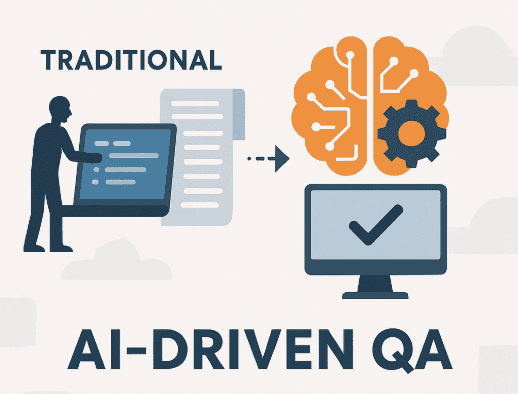
Generative AI represents a branch of artificial intelligence that uses machine learning models to generate new content, images, insights, or even code based on existing patterns. In the realm of QA, companies increasingly use this technology to automate and enhance software testing. Unlike traditional testing methods that rely heavily on manual input, generative AI leverages algorithms to identify potential bugs, simulate user interactions, and even predict areas where the software might fail under stress.
By integrating generative AI into QA processes, companies can significantly reduce the time required for testing cycles, improve accuracy, and free up resources for other critical tasks. The automated generation of test cases, combined with continuous learning from real-world usage data, creates a dynamic testing environment that adapts rapidly to changes.
One notable example of this innovation can be explored further by reading about generative AI in software testing.
The shift from traditional to AI-driven QA
Traditionally, software testing was a labor-intensive process involving manual checks and scripted automated tests. While these methods served companies well in the past, they often fall short in today’s fast-paced digital environment, where continuous integration and deployment are the norms.
Key benefits of AI-driven QA:
- Enhanced test coverage: Generative AI can design a multitude of test scenarios that cover a broader spectrum of potential use cases and edge cases than manual testing.
- Faster time-to-market: By automating repetitive tasks and generating new tests on the fly, companies can accelerate release cycles without compromising on quality.
- Improved accuracy: AI systems’ ability to learn from past data reduces the risk of overlooking critical bugs, ensuring more reliable software performance.
- Resource optimization: With automation handling much of the testing workload, teams can focus on refining the product and innovating rather than spending countless hours on manual tests.
These benefits streamline the QA process and directly impact marketing efforts. A more reliable software platform means fewer interruptions, enhanced user experiences, and, ultimately, a better impression on potential customers that improves market performance.
Why marketers should care about generative AI in QA
For marketers, the quality of the digital tools they use—ranging from website functionalities to intricate campaign management systems—is paramount. Software glitches, slow load times, or unexpected downtimes can severely affect user experience and damage brand reputation, resulting in high bounce rates and lower sales. Here’s why understanding generative AI in QA is crucial for those in the marketing arena:
1. Enhancing user experience and engagement
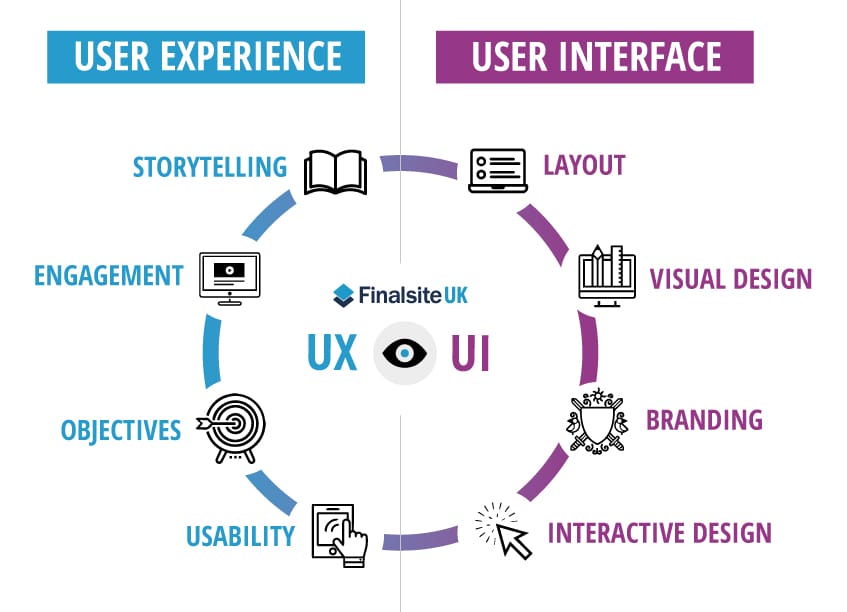
A seamless user experience is critical to digital success. When software functions flawlessly, users are more likely to engage with content, participate in interactive campaigns, and share their positive experiences with others. Generative AI helps ensure that the software is robust and reliable, thereby indirectly boosting customer satisfaction and retention.
2. Maximizing ROI on digital investments
Marketing departments often invest heavily in digital tools and platforms to optimize campaigns. Ensuring these tools perform without issues means that every dollar spent on software development and maintenance delivers maximum value. Reliable QA processes minimize downtime and reduce the risk of costly errors that can derail marketing initiatives.
3. Keeping pace with competitors
In an era where digital innovation is a key competitive differentiator, staying ahead means adopting the latest technologies. Companies that integrate AI-driven QA are better positioned to launch products and features ahead of the competition, ensuring they can quickly respond to market trends and consumer demands.
4. Building trust through consistency
Consistent software performance builds trust with users. When your digital tools work as promised, customers are more likely to view your brand as dependable and forward-thinking. Generative AI-driven QA not only improves functionality but also contributes to a consistent and positive brand image.
Practical applications in the marketing tech stack
Integrating generative AI into QA processes is not just a backend enhancement; its implications resonate throughout the marketing tech stack. Let’s explore how this integration plays out in various components of digital marketing:
Website and E-commerce platforms
The performance of digital properties is crucial for marketers managing websites or e-commerce platforms. AI-driven testing ensures that every element—from shopping carts to payment gateways—functions correctly, reducing the risk of lost sales due to technical glitches. Moreover, continuous testing and real-time feedback help maintain a smooth user journey, which is critical for conversion optimization.
Marketing automation tools
Marketing automation platforms rely heavily on data and seamless operations to execute campaigns efficiently. Any disruptions can lead to missed opportunities and decreased customer engagement. By employing generative AI in QA, businesses can ensure that automation tools run optimally, handling everything from email campaigns to customer segmentation without hiccups.
Analytics and reporting tools
Data-driven decision-making is the cornerstone of modern marketing. Analytics tools must provide accurate and timely insights. Generative AI in QA can help validate data collection processes, ensuring that the analytics and reporting tools deliver reliable metrics. This, in turn, empowers marketers to fine-tune their strategies based on accurate data.
A deeper dive: What is playwright automation?
While exploring the benefits of generative AI in QA, it is also essential to consider other tools that contribute to efficient software testing. One such tool is Playwright, a modern automation framework used for testing web applications. If you’re curious about its functionalities and how it fits into the broader automation landscape, check out this comprehensive overview on what is playwright automation.
Playwright provides a robust environment for simulating user interactions across different browsers and devices, making it an invaluable asset for QA teams looking to ensure cross-platform compatibility. The insights gained from using both generative AI and tools like Playwright empower teams to maintain high standards of software quality, ultimately resulting in smoother digital experiences.
Addressing common concerns and misconceptions
Is AI in QA a replacement for human testers?
While AI significantly enhances testing capabilities, it is not a wholesale replacement for human expertise. The combination of human insight and AI-driven analysis creates a more effective testing process. Human testers provide contextual understanding and creativity, while AI handles repetitive and data-intensive tasks. Together, they form a synergistic approach that maximizes QA efficiency.
Will generative AI lead to over-reliance on automation?
It is essential to view generative AI as a tool that augments rather than replaces traditional QA methods. Over-reliance on automation can be mitigated by maintaining a balanced approach where human oversight and manual testing complement AI-generated results. This balance ensures that the final product benefits from both technological advancements and human intuition.
What about data privacy and security?
Incorporating AI into any process naturally raises concerns about data security and privacy. Companies must work with reputable AI solutions that adhere to strict data protection standards. By ensuring that the AI models used for QA are secure and compliant with industry regulations, companies can safeguard user data while reaping the benefits of advanced testing methodologies.
Implementing generative AI in your QA process
For marketing teams looking to integrate generative AI into their QA processes, here are some actionable steps to consider:
- Assess your current QA landscape – Begin by evaluating your existing QA processes. Identify areas where manual testing is time-consuming or prone to errors. This assessment will help you determine which parts of your QA process could benefit most from AI integration.
- Select the right tools and partners – Research and select tools that align with your QA objectives. As mentioned earlier, understanding generative ai in software testing can provide valuable insights into choosing the best platforms for your needs. It may also be worthwhile to explore other complementary tools like Playwright to enhance your testing ecosystem.
- Train your team – The transition to AI-driven QA requires a certain level of technical know-how. Invest in training and upskilling your QA and development teams to ensure they are comfortable with the new tools and methodologies. This investment in human capital is critical to realizing the full benefits of AI integration.
- 4. Pilot and iterate – Start with a pilot project to implement generative AI in a specific segment of your QA process. Use this opportunity to gather data, analyze performance, and identify any challenges. Based on the findings, iterate and expand the implementation gradually across your entire QA framework.
- Monitor and optimize – Even after integration, continuous monitoring is vital. Use analytics and real-time feedback to assess the performance of the AI-driven QA processes. Optimization should be an ongoing process to ensure that the systems adapt to changing conditions and emerging challenges.
The future of QA and marketing technology
As generative AI continues to evolve, its impact on QA and, by extension, on marketing technology will only grow. Here are a few trends to watch for:
- Increased adoption of hybrid testing models: The future of QA will likely involve a hybrid approach where AI-driven testing is seamlessly integrated with human oversight, ensuring the best of both worlds.
- More personalized user experiences: With more robust testing, digital platforms can deliver highly personalized experiences, driving customer engagement and loyalty.
- Enhanced predictive analytics: AI’s ability to analyze vast amounts of data can help predict potential issues before they become critical, allowing for proactive measures that minimize downtime and disruptions.
- Greater focus on security: As AI models become more prevalent, ensuring their security and integrity will become even more critical. Future developments will likely emphasize robust security protocols alongside advanced testing capabilities.
Conclusion
The integration of generative AI in QA is not just a technological trend—it is a transformative force reshaping the landscape of digital marketing. For marketers, understanding this evolution is essential. The benefits of AI-driven testing are multifold, from enhanced user experiences and improved ROI to faster time to market and better resource allocation.
By embracing generative AI, marketers can ensure that their digital platforms remain robust, reliable, and capable of meeting the high expectations of today’s consumers. Coupled with complementary tools like Playwright for automation, this approach creates a dynamic and resilient QA process that not only keeps pace with industry innovations but also sets the stage for future advancements.
For more insights into how generative AI is transforming software testing, explore the detailed discussion on generative AI in software testing. Additionally, learning what playwright automation is can deepen understanding of the role of advanced automation tools.
In this era of rapid digital evolution, staying informed and agile is key. Marketers who invest in understanding and implementing the latest QA technologies will be better equipped to deliver exceptional digital experiences, foster customer trust, and drive sustained business success. Embrace the AI revolution, and let it empower your marketing strategies with reliability and innovation.
Need marketing help to support business growth?
We welcome the opportunity to show you how we can make your marketing SIZZLE with our data-driven, results-oriented marketing strategies. Sign up for our FREE newsletter, get our FREE guide to creating an awesome website, or contact us for more information on hiring us.
Hausman and Associates, the publisher of MKT Maven, is a full-service marketing agency operating at the intersection of marketing and digital media. Check out our full range of services.
Discover more from MKT Maven
Subscribe to get the latest posts sent to your email.


