 logo

Personalized marketing is no longer a luxury you can consider adding to your marketing tactics; it’s a necessity. This is especially true when your target market consists primarily of high-net-worth customers in markets like finance and other consulting businesses, where building a personal relationship with customers is essential for success. Consumers in this market are used to getting the white glove treatment and they expect it of their financial advisors. Although traditional marketing techniques might fail, an effective CRM system can fill in the gap, delivering an individual experience that encourages these consumers to develop trust and loyalty in your firm, which is a prerequisite to investing in the financial products you advise. This post discusses how you can succeed by incorporating personalized marketing at scale by leveraging CRM applications to develop specifically designed marketing initiatives to address the specific needs of wealthy clients.
The role of personalized marketing
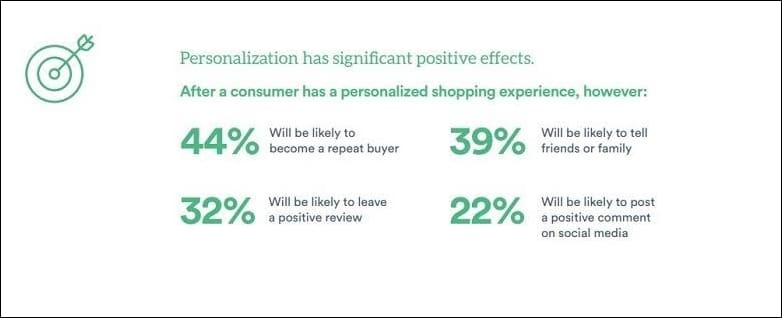
As you can clearly see in the image above, the outcomes from personalized marketing are substantial, not only in terms of retention, but also in bringing in the referrals that keep a business like financial planning growing. This was reinforced in a study reported in Forbes, which found that 80% of consumers are more likely to do business with a brand offering a personalized experience. This is especially true for luxury brands targeting high-income individuals, according to a study by PMNTS. Wealthy consumers want everything personalized, from the clothing they wear to the food they eat.
High-net-worth individuals desire personalized communication, so it should respond to their individual financial targets and circumstances. They do not relate well to generic information and general investment recommendations. On the contrary, they desire that their financial advisors learn more about their needs, be it estate planning, tax strategies, or complicated investment vehicles. The first step to fulfilling these expectations is the need to obtain and arrange detailed information about clients.
A CRM for financial advisors is essential to monitor personal preferences, risk tolerance, financial history, and communication patterns that fit the individual client if the firm wants to manage clients at scale as it grows. With this information, advisors will be able to develop marketing campaigns that appear more personalized than mass outreach efforts. When done right, such a degree of customization creates credibility and improves the relationships with clients.
Maintaining a personal touch at scale
Personalized marketing at scale is one of the greatest challenges that financial advisors must address as the number of clients they serve increases. Sure, it’s easy to send generic newsletters and email advice to clients, but that’s likely to damage the budding relationship with clients and won’t bring in new ones. CRM software overcomes this problem because the program allows each financial advisor in your firm to automate some of the job functions, while messages remain very tailored. For instance, a client who wants to invest in sustainable business only sees recommendations for investments that fit this sensibly, while one who spends most of the winter skiing in Aspen won’t see a pile of email messages waiting when s/he returns at the end of the ski season. This balance between efficiency and customization is essential for maintaining strong relationships with high-net-worth clients.
Advisors who manage complex client types find investment banking CRM solutions to be particularly useful. These systems are built to access a great amount of client data with accuracy and customization. The systems allow advisors to set follow-ups and automated check-ups, send individual news, and respond to any client requests, guaranteeing that every customer is subjected to appropriate and prompt communication without the advisor having to take care of everything manually.
Using data to customize messaging
The CRM systems serve as a central point of convergence for all client-related activities. That goes not just with mere contact data, but also notes from meetings, emails sent and responses received, and areas of investment interest for each client. Aggregation of this information allows financial advisors to see all aspects of a client’s financial and communication preferences, so they are able to predict the client’s needs before she/he makes them known.

When you retain and analyze this information, you can easily segment customers based on various criteria, such as their level of income, financial objectives, or interest in investment. Advisors will then be able to dispatch custom emails or even book a call directly based on the characteristics of each segment that personalize the messages. Using personalized marketing with this type of deep personalization based on needs, values, and preferences generates higher retention and brings in recommendations for new clients. Over time, personal messaging builds a relationship that encourages investors to invest more heavily with your firm, as well as to take up less of the advisor’s time because the relationship is built on trust.
Creating relevant campaigns
Personalization is at the core of a successful marketing strategy. Building campaigns based on deep personalization means using messages likely to resonate with the recipient because you understand them. CRM for financial advisors using historical behavior and client data makes it easier to create these personalized campaigns when the size of your client base precludes a manual operation. This data-driven approach ensures that each communication feels intentional and aligned with the client’s financial goals and objectives, as well as their progress in their individual customer journey.
CRM tools have the potential to send the right message at the right time, given that they have characteristics like automated workflows and behavior-driven triggers. As an example, in case a client is interested in succession planning or ESG investing, the client receives messaging and information specific to that product through the CRM system. The minor yet fine detail enhances the client’s experience and demonstrates that the advisor is committed to learning more about their evolving needs. This level of responsiveness helps advisors stay top-of-mind and reinforces their role as proactive partners in their clients’ financial journeys.
Measuring and refining marketing efforts
CRM tools are not only about making marketing personalized, but also provide insight into what is functioning well and what is not. Financial advisors can monitor the effectiveness of their campaigns by monitoring the open rates of their emails, the number of clicks received for different types of messaging and timing of the message, and the tendencies of individual clients to respond positively to a specific call to action. These analytics guide future efforts to reach specific clients to ensure a strong relationship over time. This data-driven feedback loop helps refine messaging strategies and ensures that advisors are focusing their efforts where they matter most.
It is possible to test a message by sending it to a sample from each segment, so the advisor can adjust the message on the fly, which is an essential element of marketing to any type of customer. Clients tend to change their preferences and priorities very quickly in response to market conditions or what is transpiring in their lives. A well-organized CRM system helps you monitor the changes in preference, so the advisor can quickly respond to client needs, which is important with wealthy clients who are used to such personalization. This agility not only enhances communication but also supports the advisor position of being a proactive and considerate partner.
Conclusion
CRM systems are valuable regardless of your target market, but are especially important when it comes to wealthy consumers who expect personalization in everything they purchase. By setting up a CRM system, adapting messaging to each client segment, updating that messaging based on data, and refining your messaging over time as a client’s needs, preferences, or situation changes is vital for success.


