 logo

Running a business has never been easy. It doesn’t matter if you run a startup, a one-person operation, or a large multinational company; the decisions you face every day contribute to the long-term success or failure of the company. Failure not only represents embarrassment, but may have a financial impact on a vast number of people, including employees, vendors, investors, and consumers. You make strategic decisions daily, including those related to the products you sell, the vendors you choose, the channels of communication you use, which distribution channels offer the best way to reach consumers, and the prices you charge for your products. And, these decisions don’t even touch the many operational choices you face, especially as you grow, such as where to locate operations, how to staff your business for optimal returns, when it is right to add new products, whether you should make or buy the new products you decide to sell, and many, many more. Among the major strategic decisions you face along the growth path is determining the right time to hire employees.

Hiring employees to help your business grow is a decision every business owner must make at some point. While outgrowing your existing staff is a good sign, knowing when to pull the trigger to hire employees is far from an easy one. When you hire employees, you face a number of questions beyond the obvious one of hiring the right employees and integrating them into your existing workforce. The biggest question is: Is it the right time to hire employees, or should you consider alternatives, such as gig workers or outsourcing?
Additional questions arise if you decide it’s time to hire employees, including:
- Do you have a sustained revenue stream that allows you to afford the costs of new employees, including payroll, benefits, office space, and other related expenses? Do you have sufficient work to keep the new employees working effectively without creating chaos between new hires and existing staff as they integrate into your existing space?
- What skills will add the most value to your existing operation?
- How will the new staff fit into the corporate culture and integrate with your existing staff?
- Do you have the necessary leadership and management to handle the new hires? Keep the span of control in mind. The span of control refers to the optimal number of staff members that a manager should oversee.
More on these questions later.
Is it the right time to hire employees?
Nearly every business wants to grow, but that growth often involves growing pains. Among them is deciding when to hire new employees.
We all know the signs pointing to the need for new staff, such as:
- Existing staff lack one or more of the skills needed to run the business effectively.
- You’re existing staff struggles to keep up with the day-to-day operations.
- An employee taking scheduled leave or out sick brings the operation to a halt.
- You find yourself or your staff juggling priorities in an effort to serve customers.
Often, growth involves a period of time when your staff is strained to the max, but revenue growth doesn’t allow you to hire employees. Or maybe, you are uncertain whether your increased revenue (and the demands on your staff) are permanent or a temporary fluctuation. Hiring employees only to find the demand for staff shrinks in a few months is wasteful, since you can’t keep firing new hires every time your business slows down without damaging morale (and productivity).
Perform a thoughtful analysis to determine whether it’s the right time to hire employees. You may find that another option offers a better alternative in the short run. For instance, you might find it’s cheaper in the long run to hire a digital agency versus hiring a digital marketing professional, as a shortage of skilled workers means available workers command high salaries and benefits. For instance, the hourly rates associated with hiring an agency for your digital marketing needs are shown below. Your costs should reflect the middle range, as these agencies offer skilled, knowledgeable staff.

You can outsource many of your business needs, particularly those that don’t align with your core business. Outsourcing makes a lot of sense, as you get highly skilled workers for less than the combined salary and benefits you might expect to pay workers with similar skills. Hiring gig workers is another option when you only need occasional help with a campaign or a specific task. For instance, you can hire a tax professional if your bookkeeper can handle the day-to-day accounting tasks or you might hire a graphic designer when you need a new logo.
How to hire employees without creating bigger problems
If you decided, based on the prior discussion, that hiring new staff is the right choice, let’s move on to addressing the other decisions you face. Read on to learn how to hire without creating bigger problems.
Be ready to scale your systems, not just your team
If you begin bringing in a lot of employees without any efforts to ensure they’re accounted for by the business’s internal workings, then you’re going to have chaos on your hands. For one, you should ensure that you have a strong onboarding process, able to get new arrivals quickly used to the tools, working standards, and communication practices that make up their day-to-day work life. You should also ensure that your IT setup is ready to integrate them, not just with the hardware they need to do their work, but also with account setup and application/data access, to ensure that they can get to work without too much delay after arriving.
Of course, you also need a physical plant that can maximize the utility of your new workers. They might need a machine, space in your office or warehouse, or enough room in your store so they don’t interfere with other salespeople.
Be ready for growing payroll needs
If you have more people working for you, you have more people to pay. We already discussed the issue of coming up with the money to afford new staff, but you might be surprised to know that a lot of companies trip up when trying to expand their payroll setup. If you’re still doing everything by hand, then you’re likely to forget some details or miss something that could result in delayed pay, which is something you always want to avoid. With the help of finance ERP systems, you can ensure that you’re able to scale your payroll, while integrating all new employee costs into your accounts and reporting on one centralized platform. This can help you streamline calculations, reduce manual errors, and, most importantly, make sure that you’re compliant when it comes to your employees’ rights to fair pay.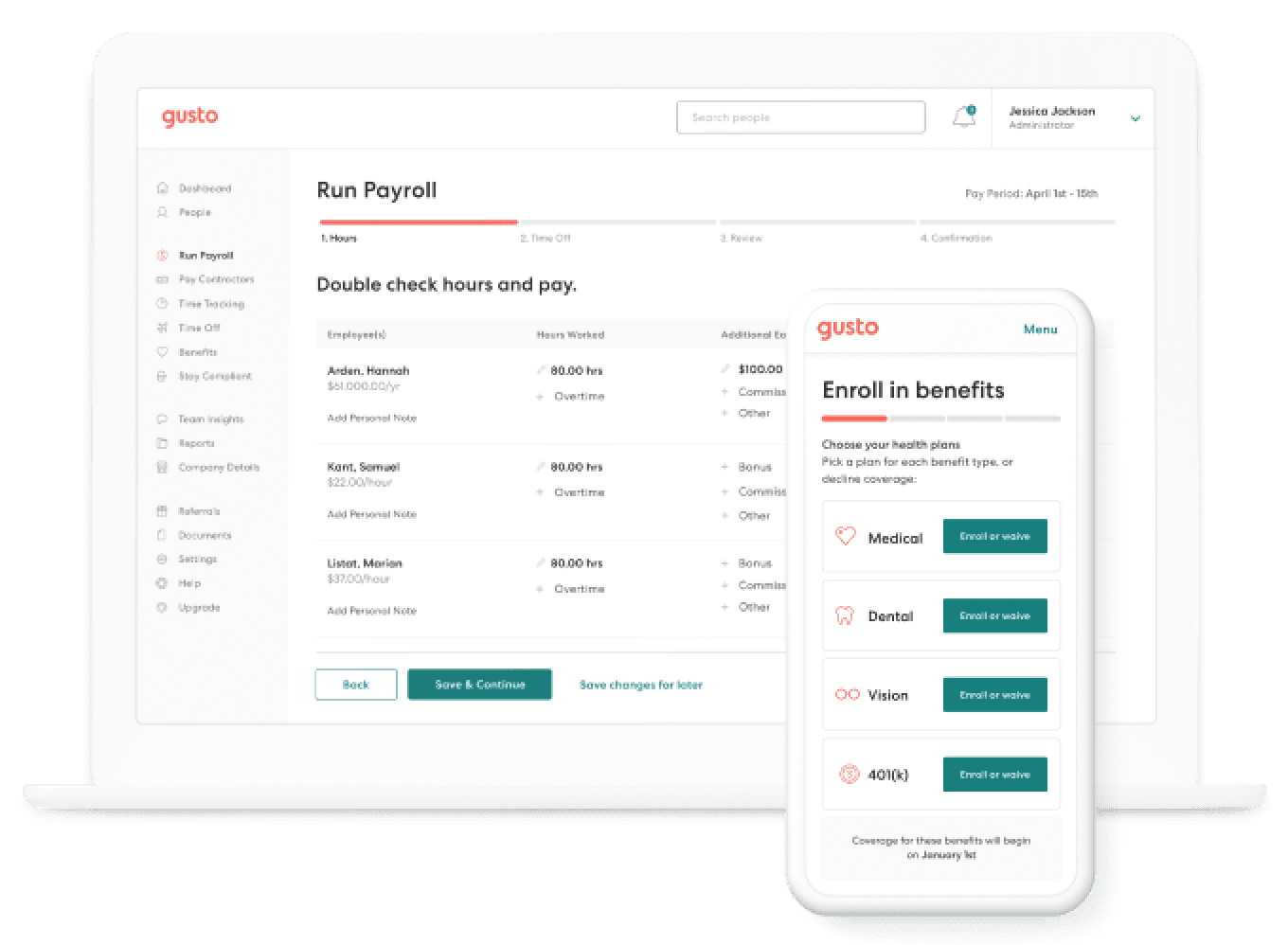
Build up those HR foundations
Payroll is far from the only human resource consideration that you need to keep in mind as you expand. You need to make sure that your team is supported in all of their needs, which can mean a need for additional performance reviews, the scope to handle more conflict resolutions, as well as employee development plans. Working with outsourced HR agencies can help you ensure that you have the manpower on hand to handle all of those extra responsibilities, but you should also ensure your HR processes are well-documented and your team is equipped to handle increased demand. Ensure that your HR policies are updated to reflect new changes and keep up with the times in your workplace, such as hybrid work integration or DEI commitments, as well.
Strong leadership is vital
The more people you onboard, the more people you need to lead your staff, remembering our earlier discussion of optimal span of control. At some point, it’s not going to be enough to fill that role yourself; you might have to start looking to build or expand a managerial team. Whether you find the leadership talent in your own team or start hiring managers from outside, you have to ensure that they have the skills, emotional intelligence, and supporting systems to be able to lead effectively as your team scales. As teams grow, clear leadership becomes essential for cohesion and motivation. Without it, you risk high turnover, miscommunication, and stalled productivity. Poor leadership is one of the leading causes of high-churn rates, so keep that in mind.
Get to know the financial impact
Hiring new employees involves more than expanding your payroll. You must also consider hiring costs, onboarding costs, benefits, equipment, training, and infrastructure. Before you scale, work closely with your finance team to model the impact. What does a 10-person increase do to your cash flow over 12 months? You need to make sure that your current revenue is enough to support your team expansion, or ensure that you’re on the trajectory of growth that makes it highly probable that you’re able to hire more people in a financially sound way.
Conclusion
With more employees comes a need for more work to manage their needs, and the tips above should at least help you start considering what you can do to ensure that your business is ready to welcome the bigger team you need.
Need marketing help to support business growth?
We welcome the opportunity to show you how we can make your marketing SIZZLE with our data-driven, results-oriented marketing strategies. Sign up for our FREE newsletter, get our FREE guide to creating an awesome website, or contact us for more information on hiring us.
Hausman and Associates, the publisher of MKT Maven, is a full-service marketing agency operating at the intersection of marketing and digital media. Check out our full range of services.
Discover more from MKT Maven
Subscribe to get the latest posts sent to your email.


