 logo

No matter your industry, the size of your business, or how many years you’ve operated it, there’s never enough time in the day to accomplish everything you need to. Instead of bloating your expenses by hiring more workers, it makes sense to build smarter workflows by adopting innovative tech solutions to help your employees work smarter, not harder.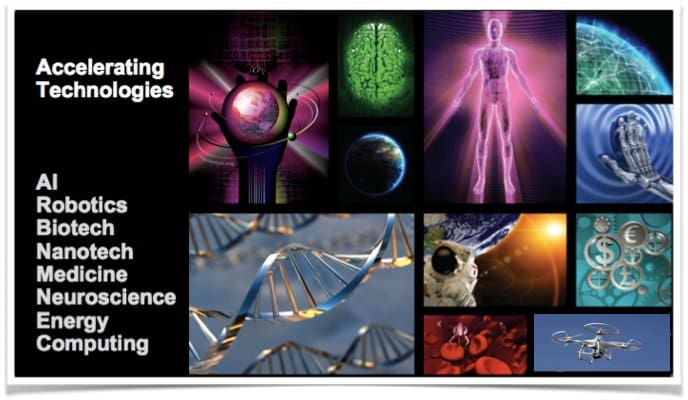
The adoption of innovative technology solutions is not just advantageous—it’s imperative for staying competitive. By leveraging cutting-edge tools and platforms, companies can transform their workflows, enhance efficiency, and drive productivity. This article explores how businesses can build smarter workflows through innovative tech solutions, shedding light on various technologies that streamline operations and facilitate better business outcomes.
Advantages of smarter workflows
Once you build smarter workflows within your company, you’ll experience a myriad of benefits. Building on the concepts of lean and agile, a company must first understand how each process functions within a system to ensure it eliminates or improves the efficiency of processes that form the critical path that slows down the entire system or wastes other resources without a negative impact on customers (including your staff, who make up your internal customers). Here are some of the benefits you receive once new workflows are in place:
- Increased efficiency by reducing redundancies, automating repetitive tasks, and speeding up processes
- Improved productivity as your staff focuses on completing tasks that require a human, which tend to be high-value actions
- Cost savings by removing inefficiencies, better resource allocation, and reducing errors
- Enhanced quality and consistency
- Scalability
- Greater employee satisfaction as they focus on the more rewarding and meaningful aspects of their jobs
Building smarter workflows with technology
Automating routine tasks with AI and machine learning
Artificial intelligence (AI) and machine learning (ML) are at the forefront of transforming business workflows. These technologies can automate routine tasks, from data entry and analysis to customer service interactions. AI algorithms can analyze data, forecast outcomes, and automate decision-making processes, adjusting their responses as new data becomes available. By combining AI and ML, businesses can optimize the deployment of scarce resources, monitor the performance of their assets in real time to ensure they run in the optimal range, and even answer routine customer queries to handle more volume without hiring additional customer support personnel. Increasingly, companies use AI and ML to create content, which is ordinarily time-consuming.
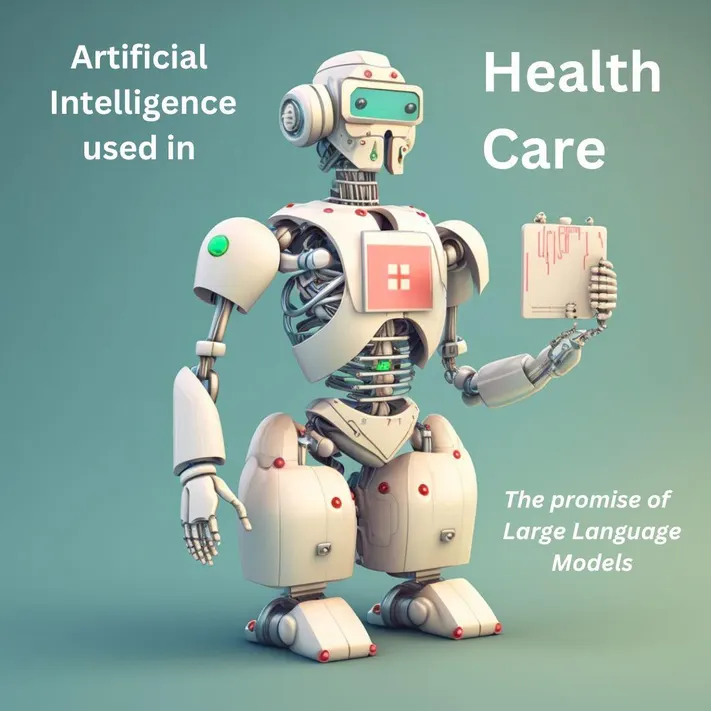
This not only accelerates operations but also allows employees to dedicate their time to more complex and creative tasks, which can lead to increased job satisfaction and higher productivity. However, these technologies require human oversight to ensure they operate at peak performance. For instance, content created using AI requires editing by a human, and queries to AI-enabled chatbots require a human to back them up when the chatbot can’t answer the customer’s query to their satisfaction. AI healthcare requires a board-certified doctor to write prescriptions and make recommendations.
Enhancing collaboration with cloud-based platforms
Cloud computing has revolutionized how teams collaborate. Cloud-based platforms like Google Workspace, Microsoft 365, and Slack allow teams to work together in real time, regardless of their physical location. These tools support a range of collaborative activities, including document sharing, real-time editing, and seamless communication, which are essential for remote and hybrid work models. By centralizing data and tools in the cloud, businesses can ensure all team members have access to the latest information and resources, improving decision-making and project turnaround times.
Integrating team as a service solutions
Team-as-a-Service (TaaS) solutions are becoming increasingly popular. TaaS with a company like sunbytes.io allows businesses to dynamically scale their workforce with skilled teams assembled on demand for specific projects. This model complements traditional employment by providing immediate access to specialized skills and expertise without the long-term overhead. Businesses can leverage TaaS for everything from software development to customer service, ensuring that they have the right talent for the right task at the right time.
Streamlining project management with sophisticated tools
Project management software has evolved significantly, with platforms like Asana, Trello, and Monday.com offering robust tools to plan, execute, and monitor projects. These platforms enable managers to assign tasks, track progress, and manage deadlines effectively by determining the critical path. Advanced features, such as automated workflows, integrated calendars, and customizable dashboards, provide a holistic view of projects, ensuring that all stakeholders are aligned and informed. This not only improves project efficiency but also enhances transparency and accountability within teams.

Optimizing resource management with ERP systems
Enterprise Resource Planning (ERP) systems integrate core business processes, including inventory management, human resources, finance, and procurement. Modern ERP systems are increasingly incorporating AI to analyze trends and automate resource allocation, ensuring optimal resource use. For instance, ERP systems can predict inventory requirements based on historical data and seasonality, automate reorder processes, and even suggest cost-saving adjustments. This helps businesses reduce waste, lower costs, and respond more swiftly to market changes.
Improving customer interactions with CRM software
Customer Relationship Management (CRM) software is essential for managing interactions with customers and improving service delivery. Modern CRM systems, like Salesforce and HubSpot, offer a suite of tools that integrate sales management, customer support, marketing automation, and detailed analytics. These systems provide a 360-degree view of the customer, enabling personalized interactions and proactive service. By leveraging data to better understand customer needs, companies can tailor their offerings to increase satisfaction and loyalty.
Salespeople no longer face a file of customer files; they use them to remember aspects of their customers and prospects. Now, the salesperson enters data into the CRM system, which generates appropriate approaches for each sales call, such as:
- Sending follow-up letters and information about their products discussed
- Entering the prospect/ customer into a lead management system for systematic follow-up
- Triggering repeat visits
- Tracking the delivery of products ordered to ensure it’s on time
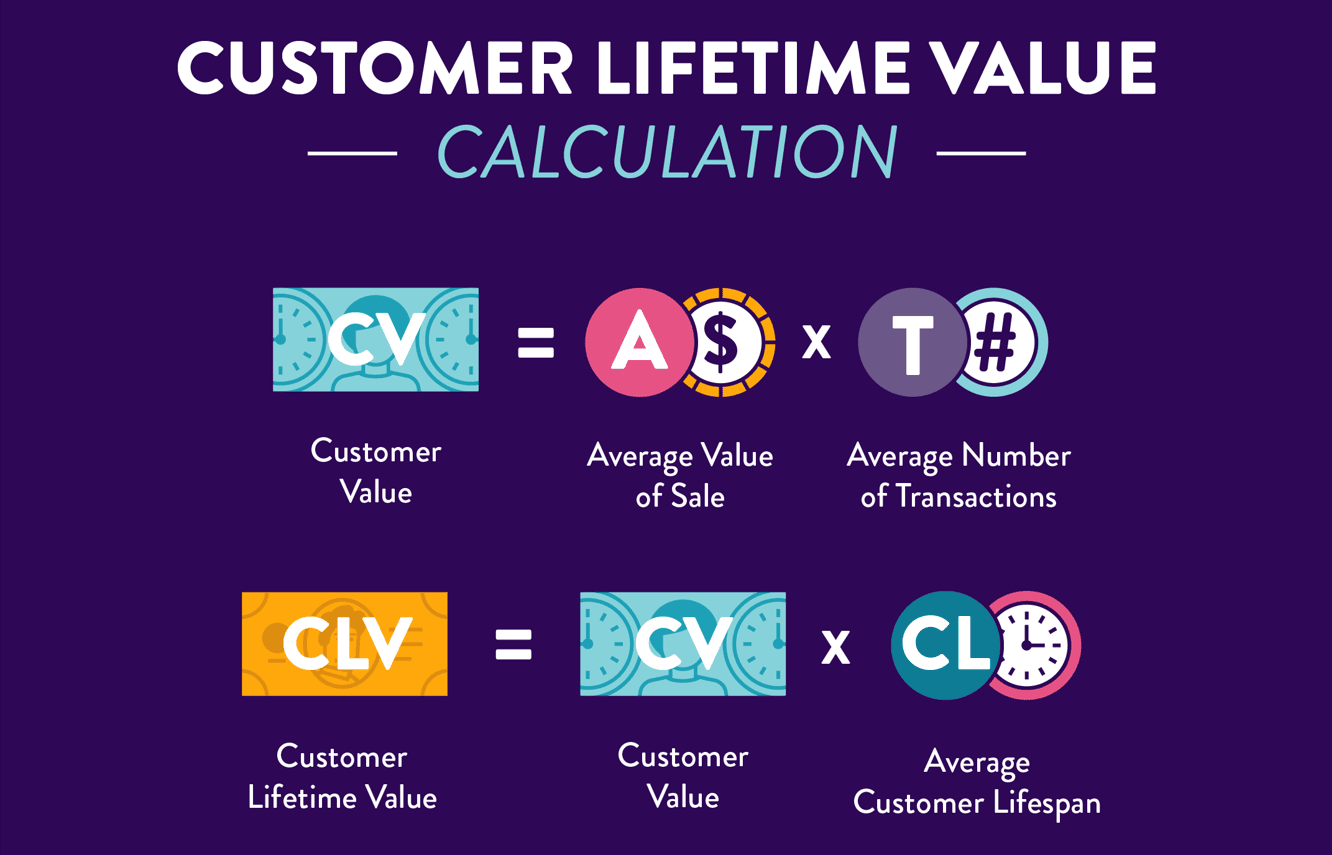
- Determining the CLV (customer lifetime value) of each customer to evaluate how to proceed
Facilitating data-driven decisions with business intelligence
Business intelligence (BI) tools such as Tableau, Power BI, and Looker help companies transform data into actionable insights. These tools allow for the visualization of complex data sets in easy-to-understand formats, enabling stakeholders to make informed decisions quickly. Advanced analytics features can identify trends, predict outcomes, and even suggest action steps, turning data into a strategic asset. By embedding BI tools into their workflows, businesses can ensure that their decisions are data-driven, reducing risk and enhancing outcomes.
Securing operations with advanced cybersecurity measures
As businesses increasingly rely on digital technologies, the importance of cybersecurity cannot be overstated. Innovative cybersecurity solutions, including automated threat detection systems, advanced firewalls, and endpoint protection platforms, are crucial for protecting sensitive data and maintaining trust. AI-driven security tools can monitor networks in real-time, detect anomalies, and respond to threats more rapidly than ever before. Implementing robust cybersecurity measures is essential for safeguarding against data breaches and cyber-attacks, ensuring that business operations are not disrupted.
Adopting IoT for enhanced monitoring and efficiency
The Internet of Things (IoT) offers tremendous potential to enhance business workflows, especially in industries like manufacturing, logistics, and healthcare. IoT devices can monitor equipment performance, track assets in real-time, and collect critical data points across various parameters. This information can be used to optimize operations, predict maintenance needs, and even control devices remotely. For example, in manufacturing, IoT sensors can predict when a machine is likely to fail, allowing for preemptive maintenance that minimizes downtime and enhances productivity.
Marketing automation tools
As more marketing budgets migrate to digital marketing tactics, the burden of creating and disseminating content on a consistent basis grows. In addition to the content creation tools mentioned earlier (like ChatGPT), companies need tools to ensure their social media pipeline is always full. Rather than interrupting the workday multiple times to post on X (formerly Twitter) or Instagram at the optimal post time, marketing automation tools allow marketers to schedule an entire week or month’s worth of content that automatically posts on the desired schedule. This makes your marketing staff more productive and ensures you always have fresh content on your social platforms.
Conclusion
Innovative technology solutions are reshaping how businesses operate, offering new ways to streamline workflows, enhance efficiency, and foster collaboration. By embracing AI and machine learning, cloud-based platforms, sophisticated project management tools, ERP systems, CRM software, business intelligence, cybersecurity measures, and IoT technologies, businesses can build smarter, more effective workflows. These technologies not only drive productivity and reduce costs but also support businesses in adapting to an increasingly digital world, ensuring they remain competitive and responsive to changing market dynamics. As companies continue to explore and integrate these technologies, they can expect not only to improve their operational efficiency but also to enhance their capacity to innovate and grow.
Need marketing help to support business growth?
We welcome the opportunity to show you how we can make your marketing SIZZLE with our data-driven, results-oriented marketing strategies. Sign up for our FREE newsletter, get our FREE guide to creating an awesome website, or contact us for more information on hiring us.
Hausman and Associates, the publisher of MKT Maven, is a full-service marketing agency operating at the intersection of marketing and digital media. Check out our full range of services.
Discover more from MKT Maven
Subscribe to get the latest posts sent to your email.


