 logo

Cold calling has always been a vital tool in B2B selling strategies. But in the current business world, a plan for effective cold calling goes beyond simply dialing numbers and waiting for results. One of the essential elements for achieving higher conversion rates and creating solid relationships with your clients is developing a cold-calling script that resonates and motivates your client. With a well-planned script, your message is precise, short, concise, and persuasive, which increases the likelihood of capturing the attention of potential clients. Cold-calling scripts aren’t about performing a pre-recorded monologue. They’re about crafting structured but flexible conversations that yield meaningful business outcomes. These are especially critical for new salespeople as it gives them confidence.
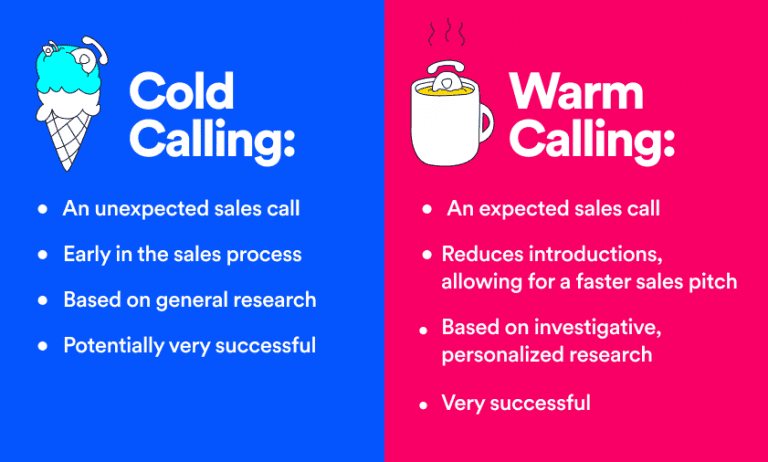
Cold calling versus warm calling
Used primarily in B2B sales, cold calling involves approaching new businesses where you don’t have any existing content. These new businesses might result from a referral from an existing customer, a list of new business licenses filed, or directories of companies in an industry. Commonly, this first contact is made via telephone. Still, some salespeople find it effective to drop in on a new prospective client to introduce the brand’s products and show how they can solve the company’s problems.
In contrast, a warm sales call involves calling on existing customers or prospects who have already had some contact with your company. Obviously, the nature of the sales call varies dramatically on whether the salesperson is making a cold or warm sales call, as these interactions represent meetings with consumers in different stages of the customer journey. Thus, nearly everything about effective cold calling is different when the salesperson calls on a warm contact.
Factors that make effective cold-calling scripts necessary:
Establishes a solid first impression
In sales, first impressions count. Just like meeting new people in any situation can be awkward, a cold call can cause jitters. Cold-calling scripts help the writer create an opening message that catches the customer’s attention immediately. Without a plan, there’s the risk of falling across words or not communicating your message effectively.
Example:
Imagine calling a CEO without having a script in place. The first step is to introduce yourself and then struggle to justify the reason you’re calling. The CEO loses interest quickly and ends the call abruptly. Compare that with beginning the conversation with “Hi, [CEO’s name], I’m [your name] from [your company], and we’ve been helping businesses like yours reduce operational costs by 20%.” A compelling, specific opener that is crafted with the use of a script for cold calls, will raise the chance of continued interaction.
Ensures message consistency
The main benefit of the cold-calling script is that it ensures consistency throughout every call. Management is assured that each prospect receives the same main message no matter who delivers it. The uniformity of the message helps build the credibility of your brand and also ensures that the most important points aren’t overlooked. It also helps keep the brand out of hot water when questions arise about the promises made during the conversation and helps ensure the company can keep those promises.
In effective cold calling, not only does every salesperson follow a general script, but that script is tested extensively to ensure it optimizes the ability of the sales call to succeed.
Example:
Imagine that your business provides a cloud-based service. Through a cold-calling script, each salesperson will use the same words in their introduction: “We specialize in helping companies like yours streamline cloud operations while cutting costs by 15%.” in the absence of the script, every salesperson may phrase it variously, resulting in miscommunication and lost potential opportunities.
Saves time and increases efficiency
A well-crafted cold-calling script can save time and keep the conversation focused and on point. The scripts can help sales reps keep their attention on the main topic, enabling them to conduct more sales calls within a shorter amount of time.
Example:
An employee working on sales without an outline could get distracted by unrelated inquiries or engage in chatter. A script will ensure that they are able to return to their primary topic swiftly after addressing a question or engaging in another side conversation: “That’s a great question, but before we go further, I’d love to explain how we help companies like yours reduce downtime by 30%.”
Reduces anxiety for sales reps
Effective cold-calling can be daunting, particularly for people who are new to sales. The scripts help ease the anxiety of salespeople by providing reps a logical structure to follow, and improving their ability to handle arguments and moving through conversations with ease. Over time, an experienced salesperson might stray from the script more to create a style that works for them.
Example:
The new sales representative may feel nervous when having a conversation, unsure of how to answer challenging questions. Creating a cold call script that has pre-planned responses for typical objections, like, ” I understand you’re happy with your current provider, but we’ve been able to help similar companies enhance productivity with minimal disruption,” makes the sales rep feel prepared and secure.
Provides flexibility for personalization
While scripts give the structure needed for a conversation, they’re not monologues that are rigid. Good scripts favor room for individualization and flexibility in response to the prospects’ responses, which makes the dialogue feel more organic. One of the greatest needs for flexibility in a cold-calling script comes from intuition. When it feels like your prospect is ready to move on to the next step of the customer journey, there’s no need to go through all the content designed to motivate them toward the next step. You can easily skip forward and save everyone time.
Example:
If the prospect has a particular issue, the salesperson could modify the pitch to directly address it: “You mentioned issues with scalability—our solution has helped companies grow while reducing infrastructure costs by 25%.” Scripts allow you to customize your sales pitch without losing focus.
Supports handling of objections
Resolving objections is among the most challenging parts of cold-calling. Experienced salespeople often state that sales start with objections, not an introduction. An effective cold-calling script will prepare sales representatives for typical objections and provide them with appropriate answers to warrant that the conversation continues ahead.
Example:
A prospect might say, “I’m not interested. ” The most effective script can respond by saying, “I know you’re working, but could I inquire if you’re having issues regarding x? We’ve assisted other companies who work in your sector to overcome similar challenges with our custom solution.”
Improves conversion rates
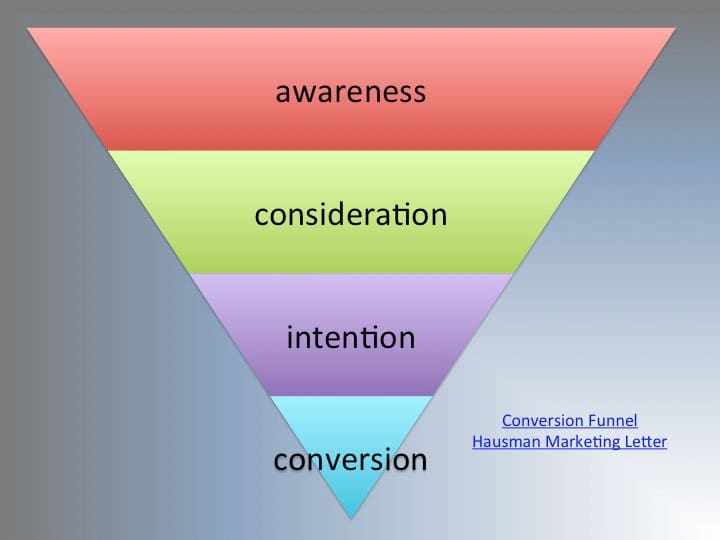
At the end of the day, cold-calling is an effort to convert leads to customers. Cold-calling scripts are designed to direct conversations toward a clearly defined call to action, which increases the chances of conversion.
 Example:
The call could be concluded with a standard “let me know if you’re interested.” if, however, together with a well-written script, the sales representative could conclude with a more compelling CTA: “Would it make sense to schedule a 15-minute demo next Tuesday to show you how our solution can reduce your software costs by 10%?” the focused approach can be used to encourage the commitment of prospective customers.
Allows for consistent follow-ups
The cold-calling process rarely results in a quick sale, but it can open the way for subsequent calls. Scripts can help set the tone for subsequent follow-ups by setting the foundational points to be revisited in the future.
Example:
Following a phone call, an agent can inform the customer, “I’ll send over some case studies to show the ways we’ve assisted similar companies. I’ll contact you next week and see what questions you might have.” this method of communication establishes clear expectations and assures regular monitoring.
Enhances lead qualification
Cold-calling scripts can help sales reps identify leads more effectively by asking questions that evaluate the potential customer’s suitability for the item or service. This ensures that time is spent on high-potential leads.
Example:
An effective cold-calling script could include a question like, “What are your current challenges with customer data management?” If the person who is asked this question can provide specific information, this signals a more qualified prospect, allowing the representative to focus on follow-ups with better-qualified leads.
Facilitates team training and onboarding
The scripts are great tools for training new sales hires. They provide a clearly defined outline for the right words to use and how to communicate them, as well as how to respond to everyday situations, which makes the onboarding process more efficient and speedier.
Example:
The new salesperson is able to observe an experienced colleague and utilize the same process on their first call. The consistent method assists them in learning the ropes quicker and ensures they’re fully up on the latest company communication and selling techniques.
Reduces errors and miscommunication
If you do not have a script, cold calling can lead to miscommunication or missing critical details. Scripts ensure that all important details are taken care of and that the most important information is not missed.
Example:
Without a plan, an agent might not remember to refer to a special offer or unique aspect of the service. A script will be able to clearly state, “We’re offering a 10% discount for new clients who sign up this month–would you like to learn more?”
Creates credibility prospects
The script you write is well-written and gives your salespeople the appearance of professionals and experts that generate trust with potential clients. When sales reps communicate confidently and in a transparent manner, customers are more likely to pay attention.
Example:
A sales representative, together with a well-written script, could confidently and satisfyingly say, “We’ve helped companies like yours save thousands by streamlining your supply chain—does that sound like something you’d be interested in learning more about?” It shows that the sales rep understands the market and is able to create accurate value.
Encourages proactive listening
Cold calling scripts contain the space for active listening that underpins consultive selling. This lets reps pick up clues that the prospect is giving them and alter their strategies in response. This results in more exciting and productive conversations.
Example:
If a prospect states, “We’ve had issues with customer retention,” an experienced salesperson can respond by saying, “I’m glad you mentioned that—our latest tool has helped companies reduce churn by 15%, and I’d love to show you how.” Engaging in conversation builds rapport and shows the representative is paying attention to the prospective customer’s requirements.
Drives consistent results over time
 With efficient scripts, sales teams achieve consistent results, which allows for greater analysis of KPIs, including the rate of conversion, duration of calls, and pipeline progress.
Example:
In the quarter, teams using the cold calling method could see a steady 20% conversion rate, permitting them to fine-tune their strategy and increase their effort based on what’s successful.
Boosts the success of lead enrichment tools
Cold calling scripts may improve their effectiveness by incorporating lead enrichment software which impart the most current information regarding potential customers. Utilizing tools such as B2B lead enrichment in a click, reps are able to gather information in real time about the prospect that they’re contacting, which allows for more personalization as well as a higher chance of successful results.
Example:
Prior to calling, the sales rep will use a lead enhancement tool to find out that they have recently enlarged their company. The script can then include, “i noticed your company just opened a new office–congratulations! We’ve assisted businesses just similar to yours through periods of expansion by providing scalable solutions that help reduce operating costs.”
Conclusion
Effective cold-calling is an art form, and an efficient script is the tool that helps salespeople create an appealing visual for potential customers. From building strong initial impressions to increasing sales conversion and group training, cold-calling scripts are essential for all sales teams. Through the use of real-world examples as well as strategic plans, they not only increase personal performance but also help to boost the overall performance of the business. No matter if you have experienced sales skills or are just beginning your career together, the best cold-calling strategy can be the key to reaching your sales targets.
Need marketing help to support business growth?
We welcome the opportunity to show you how we can make your marketing SIZZLE with our data-driven, results-oriented marketing strategies. Sign up for our FREE newsletter, get our FREE guide to creating an awesome website, or contact us for more information on hiring us.
Hausman and Associates, the publisher of MKT Maven, is a full-service marketing agency operating at the intersection of marketing and digital media. Check out our full range of services.
Discover more from MKT Maven
Subscribe to get the latest posts sent to your email.


