 logo

There was a time when throwing a few ads online and hoping for the best was enough to get traction in e-commerce. Not anymore. In 2025, e-commerce has matured past the point where you can attract customers with a few ads and a Facebook page. It’s now highly competitive, completely saturated across a number of markets, and while there’s still room to grow, getting results now takes more than clever product photos and a discount code. The businesses that stand out to achieve success are those with a strategic e-commerce marketing approach. This means they don’t just develop a strategy written for investors to siphon off higher dividends, but one that actually drives every decision they make, from prompting the first click to optimizing movement of visitors through their websites to achieve conversion. Here’s why adopting a strategic approach matters more than ever.

Why do you need a strategic e-commerce marketing approach?
As you can see in the image above, growth in e-commerce sales exploded during the pandemic and that growth is projected to continue for the foreseeable future. This growth attracted more businesses to enter the e-commerce space, leading to intense competition for customers. Unless you have a well-developed, thoroughly researched strategic e-commerce marketing plan, you’ll find success increasingly elusive. A clear strategy from an agency like Fluid Marketplaces helps you put together the strategy you need to survive and grow.
Below are some of the reasons why, in addition to increased competition, e-commerce success is challenging.
Social media traffic is way down
It used to be you could build a community online and use the power of social connections to power your e-commerce success. No more, especially with social platforms using complex algorithms that optimize paid revenue. In addition to increased fragmentation across social media platforms, with new social media companies forming all the time, traffic from social platforms is way down. Compared with the massive traffic coming through Google via organic search (53% of the average traffic visiting your website), the cumulative visits from social media are a paultry 16% [source]. When you consider that social media traffic is fractured, with Facebook and YouTube representing the largest traffic source. If your target market doesn’t use these platforms, you’re getting even less traffic from social platforms, with LinkedIn representing only 0.69% of traffic, according to the same source.
Counting on social media alone to keep your e-commerce business afloat will likely end in failure. That means you need a more robust marketing strategy that doesn’t put all your eggs in the social media basket.
Users want a fast website with intuitive navigation
While users might find out about your product through social media or an internet search, increasingly, your website is their first stop. By 2027, Shopify estimates that 23% of all shopping will occur online, a figure likely to continue growing at an annual rate of over 18%. Sure, some of that shopping might transition to social selling, but your website will continue to be your primary sales tool for most types of products. In fact, Forbes research shows that 34% of consumers shop online at least once a week.
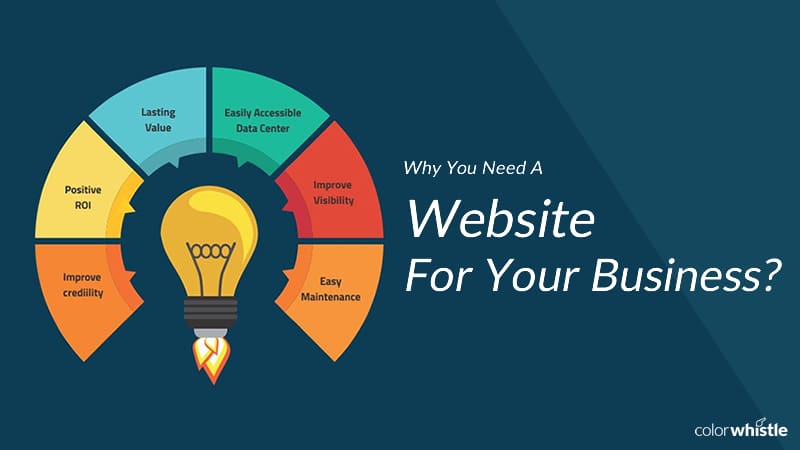
Given this data and information contained in the image above, you need to focus your attention on building a website that not only attracts your target market, but also works hard to convert them once they click through. SEO or search engine optimization helps users find you when they search for products that meet their needs. You can learn more about how to bring more traffic to your website by reading the section on SEO on this website.
Before building your website or as you consider a major revision, think about how you can make it easier for visitors to find what they need. That starts with a clear structure and intuitive navigation. Sketch everything out on paper, then test it out with a few members of your target market to ensure it works well for them. You’ll find software that builds a clickable prototype of your website, making this process simple. By iterating between your design and testing, you’ll quickly find an optimal solution.
Because users have no patience, you need to ensure your website loads quickly. Tools that cache pages and compress images help ensure your pages load fast.
You also need to use your website pages wisely to influence visitors to make a purchase. That involves creating compelling copy, stunning images, and using tools like social proof to convince them to put something in their carts. Next, make the checkout process as streamlined as possible so they don’t navigate away in frustration.
Ad costs are up
Pay-per-click isn’t the wild west it once was. Platforms like Meta and Google have hiked their prices, and the algorithm changes don’t always work in your favor. If you’re not careful, you can burn through your budget fast and have very little to show for it.
Despite the fact that 94% of users skip over paid ads when searching online, PPC advertising still makes sense as part of strategic e-commerce marketing because it sends about 15% of your website traffic. Plus, PPC ads are inexpensive when compared with almost every other advertising option.
Customers expect more than convenience
Five years ago, just offering free, next-day delivery and easy returns could win someone over. In 2025, that’s just the baseline. Not only do customers expect that, they also want same-day delivery, so many e-commerce platforms are experimenting with alternatives like drone delivery to meet increasing demands.
But, delivery isn’t the only consideration for consumers. Increasingly, consumers actively choose brands that align with their values. They want transparency, relevance, and a reason to care about your broader mission, as you can see below. If your e-commerce strategy doesn’t include a clear message and an actual plan for how you’re building relationships, not just sales, it’s easy to get ignored.

You’re not just competing with other stores
Here’s something people often overlook: you’re not just competing with similar shops. You’re competing with attention spans, with news feeds, social media apps, with every other tab open on a customer’s phone. That’s why unifying your marketing across email, paid social, SMS (short message services like WhatsApp and Messenger, SEO, and content marketing isn’t optional anymore.
Similarly, if you’re running campaigns in isolation, you’re missing chances to re-engage, retarget, and reinforce your message to keep customers coming back for additional purchases. A proper e-commerce strategy ties everything together, so every touchpoint pushes in the same direction.
How to construct a strategic e-commerce marketing plan?
Target the right segment
Don’t try to be everything to everyone. Your target market is made up of those consumers who value what you have to sell. This may mean segmenting the entire market based on:
- Demographic variables such as age, income, or ethnicity
- Geographic variables like country or region
- Psychographic variables, including attitudes, lifestyles, and values
- Behavioral variables. For instance, the market for domestic beer is typically comprised of younger, blue-collar, and male consumers, which is very different from consumers of craft beers. Domestic beer is also more commonly consumed at home alone. You can sell more products by keeping this in mind while creating communication.
Use personalized email marketing and SMS
A corollary to marketing to your target consumers is personalizing messaging to them across all the channels you use. Email marketing and, to an extent, SMS marketing are very cost-effective tools when you personalize messages beyond simply inserting a subscriber’s name in the heading. Of course, these tactics require you to build a list of subscribers or phone numbers because privacy laws make it hard to buy lists anymore.
Run PPC campaigns
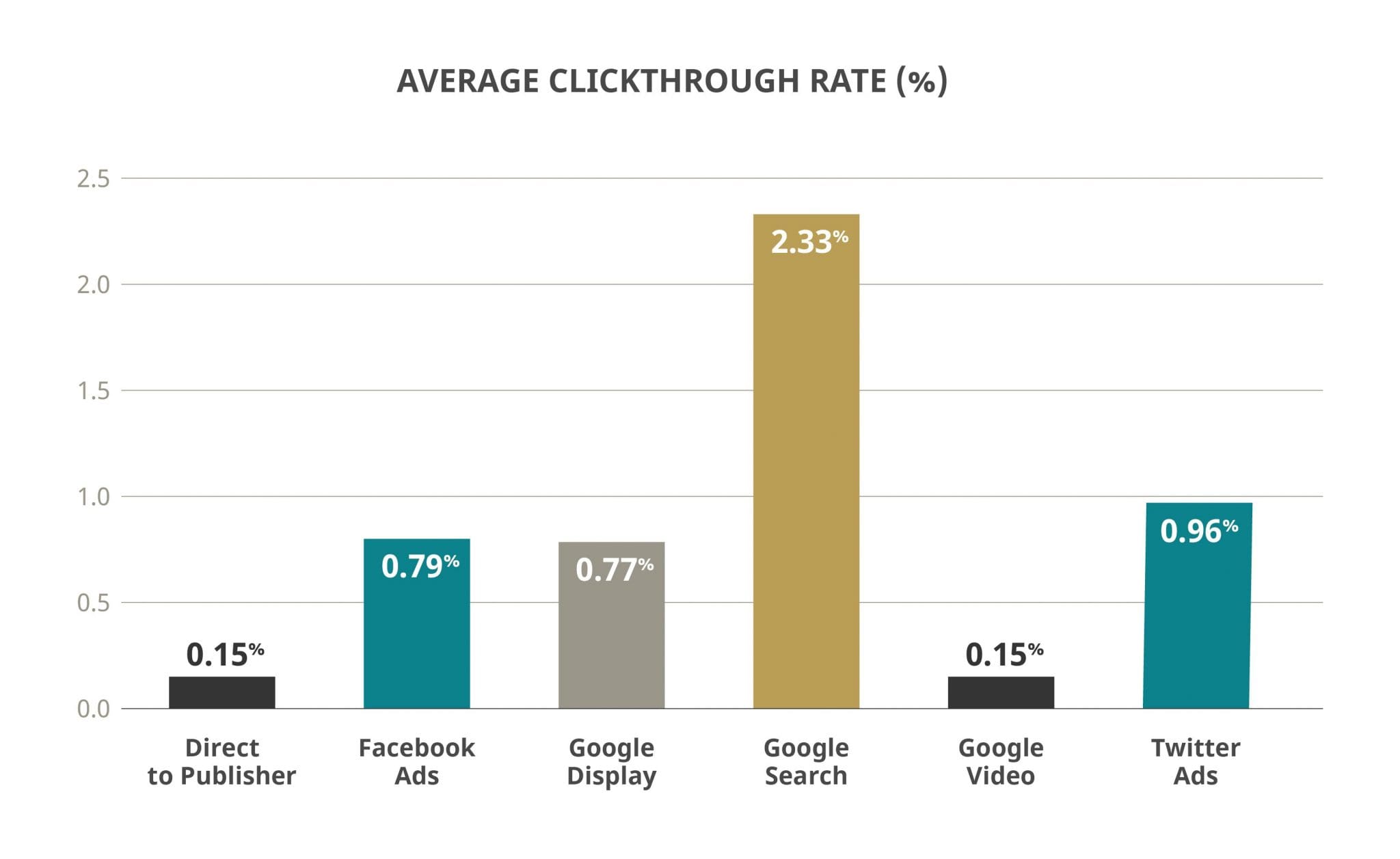
As I mentioned earlier, PPC advertising still makes sense and the image above shows the average CTR (click-through rate) for various digital advertising options. When constructing a strategic e-commerce marketing plan, include PPC as one of the strategies you rely on.
Employ retargeting
Retargeting is a special type of digital advertising and it’s particularly effective. Retargeting ads are directed specifically at visitors who left something in their shopping cart during a recent visit or viewed a product page. These ads achieve 43% higher conversion rates, are more engaging, and cost less to reach users than other forms of digital advertising. Retargeting is especially successful if combined with an attractive offer.
Partner with influencers
Influencers have the trust of those who follow them, so their recommendation and reviews carry more weight than other types of content you might share. Finding influencers is easy, but you must vette them to ensure they’ll be effective for your brand, monitor them to ensure compliance with your terms, and compensate them for their efforts. Highly influential social media users can make serious money by working with brands, but some influencers have a highly engaged following that doesn’t involve a huge expense.
Use the data you have access to
E-commerce platforms provide more data than was available in the pre-Internet era. Tools like Google Analytics (see example below) provide nuanced data regarding how visitors find you, what they do on your website, and can even break down this data by visitor segments. Additional tools monitor the performance of your other digital marketing efforts. For instance, Meta (owner of Facebook and Instagram) provides rich data regarding the performance of your digital ads, while Google incorporates your ad data into the Google Analytics platform to provide a much richer data source.
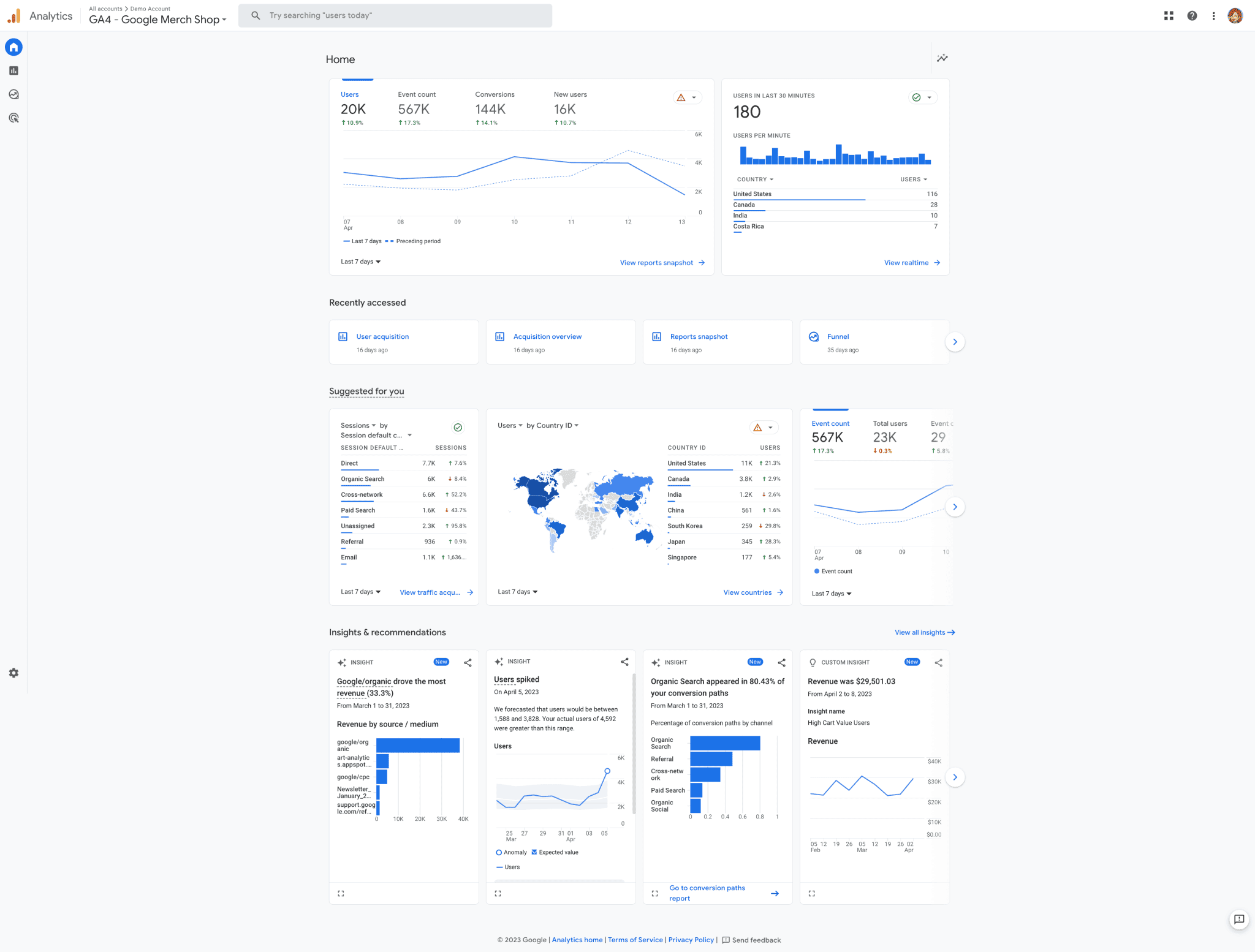
However, data without interpretation is essentially useless, which is where strategy comes in. Use that data to monitor KPIs (Key Performance Indicators) such as conversion rate, shopping cart abandonment rates, average order value, repeat visits, and to identify who converts and who doesn’t.
A strategic e-commerce marketing plan means turning those insights into action, and it’s how the best brands are moving forward while others stall.
Conclusion
There’s no doubt that e-commerce is still full of opportunity. But in 2025, it’s the businesses with structure, consistency, and intention behind their marketing that are seeing sustainable growth. It’s no longer just a matter of guessing what might work. You need to know why it will work and have a clear plan to back it up.
Need marketing help to support business growth?
We welcome the opportunity to show you how we can make your marketing SIZZLE with our data-driven, results-oriented marketing strategies. Sign up for our FREE newsletter, get our FREE guide to creating an awesome website, or contact us for more information on hiring us.
Hausman and Associates, the publisher of MKT Maven, is a full-service marketing agency operating at the intersection of marketing and digital media. Check out our full range of services.
Discover more from MKT Maven
Subscribe to get the latest posts sent to your email.


