 logo

Everyone thinks they need a website, and most experts agree, as shown in this post from Hubspot. While creating content on social media is excellent, simply posting occasionally on social media isn’t enough to build a brand, as we’ll discuss below. However, if you don’t have a sustained content marketing strategy, your website and social platforms aren’t getting much traction (if any). Content marketing is a sustained effort to create content that supports your brand and provides value to your target market. However, creating content consistently is difficult. That’s where understanding the content marketing lifecycle can help you build a strategy that ensures your brand grows.

If there is no clear plan for your content marketing lifecycle, content becomes disorderly and fails to engage prospective and existing customers. By understanding the content marketing lifecycle, you’re ahead of the game when it comes to strategic planning and execution, ultimately leading to superior outcomes. Businesses that emphasize strategy, creation, distribution, and measurement optimize their impact through content marketing efforts.
Read on to learn more about the content marketing lifecycle that’s shaping today’s marketing strategies.
Understanding the content marketing lifecycle
Ensuring you post content to your website and social media pages/profiles is critical for success as it brings traffic to your website or physical location. However, consistency is essential as most platforms require one or more pieces of content per day to sustain engagement and deliver traffic. This content establishes you as someone your market can trust with the expertise, products, and customer service they expect. If you’re like me and you’ve been running your digital marketing for a number of years, you have old content that can drag down these efforts. That’s where the content marketing lifecycle comes into play. You not only need to create content consistently but also get rid of old content or update it to conform to changes in your environment.
Here are some reasons why maintaining your content at the highest standards, which may mean deleting old content, is crucial.
Ensuring a pristine online footprint
In content marketing, it is essential to present a pristine digital image that appeals to the attitudes of your current target market. That’s particularly true on social media platforms, which are the most used digital outlets by billions worldwide. Your content can easily influence these attitudes on platforms like Instagram, Facebook, Twitter (now X), or TikTok, for better or worse. Remember, once posted online, even years ago, your content can turn up at the most inopportune times, just ask political candidates embarrassed by positions taken years or even decades ago.
Regular content auditing to eliminate misleading or damaging material strengthens user experience, allowing new content to shine through. Establishing a clean digital presence enables confidence in moving forward with the content marketing cycle.
For instance, if you ever tweeted about something on X (formerly Twitter) years ago and it doesn’t quite align with your brand values today, you don’t have to settle and “suffer” the consequences. Instead, you can use an easy tool to delete all tweets at once and get a clean slate to deploy your content marketing plan rather than manually delete this content individually.
Outlining the content strategy
The initial phase in the content marketing lifecycle is crafting a strategy. Without a clear plan, content initiatives can lack direction and focus. When creating a content plan, it’s crucial to identify which type of content will be most impactful in engaging the desired audience.
For some brands, various options can include blog posts, videos, infographics, and social media updates, whereas others may prefer more comprehensive forms, such as eBooks or case studies that delve deeper into specific topics. Regardless of the format, successful content should offer value by addressing problems or questions from individuals in your target market and presenting new perspectives on familiar themes. For instance, I wrote a series of posts about Google’s Universal Analytics to help small businesses glean insights from the data from website traffic. Last year, Google deprecated this tool in favor of GA4, which has an entirely different look and feel. It makes no sense to retain these blog posts as it makes me look out-of-touch and damages my credibility.
After identifying the target market, the content formats that meet your needs, and the platforms that your market frequents, businesses need to create a comprehensive schedule for their content. This calendar should detail the topics you plan to address, the stage in the buying process reflected in the content, the resources you’ll use to construct your content, and specify which channels you’ll use (keeping in mind best practices in terms of frequency). By establishing an ordered system of dates and themes in advance, businesses can guarantee consistency while also maintaining momentum with high-quality material publication throughout time.

Generating exceptional content
After defining the content strategy, businesses shift gears to the next phase in their content marketing journey—bringing ideas to reality through content creation. They strive for excellence by producing engaging materials that meet audience expectations.
High-quality content encompasses being informative, captivating, and pertinent to the intended recipient. It requires meticulous research coupled with adept writing skills that align perfectly well with brand messaging strategy. Moreover, creating stellar content demands optimization for search engines (SEO), targeting maximum outreach potential; this is because 63% of all website traffic in the U.S. comes from the most powerful search engine, Google. In essence, SEO optimization involves incorporating relevant keywords, using clear headings, and structuring the content in a way that makes it easy for search engines to index.
Moreover, it is crucial to maintain a consistent tone and style throughout the content creation process. Doing so reinforces the brand’s identity and helps ensure that content is easily recognizable to its audience, be it in the form of blog posts, videos, or social media updates.
Distributing content through appropriate channels
Effective distribution of content plays a vital role in catering to the intended audience. Choosing the right platforms, such as blog posts for websites or visuals for social media, is crucial to achieving this goal. Marketing automation tools like Buffer and Hubspot allow you to create content ahead of time and then publish it on the optimal schedule. You increase efficiency by creating several posts at once (maybe even an entire month of content), rather than interrupting other tasks each time you need to post content.
Understanding online consumption habits helps businesses better strategize their distribution. Adopting such an approach allows for better timing, which can significantly boost engagement among audiences who are most active during specific periods. Marketing automation tools allow you to experiment with timing to find optimal post times and some even suggest times when your content achieves higher engagement.
 Performance measurement and analysis
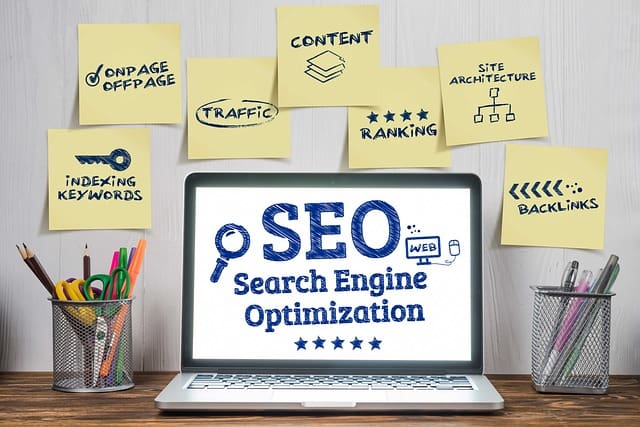
Measuring and analyzing performance constitutes the last part of the content marketing lifecycle. It is essential to evaluate outcomes to distinguish between successful methods and areas for growth. Consistently monitoring critical metrics such as website traffic, engagement rates, lead generation, and conversions plays a crucial role in gauging how well content is performing.
Analyzing this data can help businesses make well-informed decisions. For instance, successful content can be replicated, while ineffective results signify the need for adjustments. Consistent measurement guarantees a deeper comprehension of audience preferences and interests. A persistent cycle of scrutinizing performance and perfecting output is imperative in attaining sustainable success in content marketing endeavors.
The bottom line
To develop and implement an impactful content marketing strategy, it is crucial to comprehend the stages of the content marketing lifecycle. Each stage—from maintaining a polished online reputation to crafting a strong plan for disseminating high-quality content—contributes significantly to accomplishing marketing objectives.
By producing exceptional material, sharing it purposefully, and continuously gauging its effectiveness, businesses can ensure that their message strikes a chord with target consumers while driving desired outcomes.
Need marketing help to support business growth?
We welcome the opportunity to show you how we can make your marketing SIZZLE with our data-driven, results-oriented marketing strategies. Sign up for our FREE newsletter, get our FREE guide to creating an awesome website, or contact us for more information on hiring us.
Hausman and Associates, the publisher of MKT Maven, is a full-service marketing agency operating at the intersection of marketing and digital media. Check out our full range of services.
Discover more from MKT Maven
Subscribe to get the latest posts sent to your email.


