 logo

The modern workforce is undergoing a transformative shift that is reshaping the future of work. As remote and hybrid models become the norm, they present both challenges and opportunities for businesses and employees alike. Imagine a workplace where flexibility and work-life balance are not just perks but the foundation of productivity and satisfaction. However, this evolution brings complexities, especially in managing payroll for a dispersed workforce. Enter payroll automation—a powerful solution that simplifies the payroll process alleviates stress and empowers both employers and employees. By embracing this innovative approach, businesses can not only tackle the challenges of a modern workforce but also unlock greater efficiency and engagement. Don’t let payroll issues hold your company back; invest in payroll automation and watch how it transforms your business for the better!
 The challenges of payroll in a remote work environment

Remote work has changed how businesses operate, bringing newfound freedom and logistical hurdles. Some of the primary challenges include:
- Compliance across multiple jurisdictions: For companies hiring employees across different states and countries, it is essential to comply with a complex landscape of tax laws, labor regulations, and benefits requirements that vary significantly by location. Organizations must stay well-informed about jurisdiction-specific regulations, including minimum wage laws, overtime requirements, and mandatory employee benefits, which can change frequently. Failing to keep up with these regulations can be not only time-consuming and prone to errors but also can result in severe legal consequences, including substantial fines, lawsuits, and reputational damage. Therefore, employing effective compliance strategies and tools is crucial for mitigating risks and ensuring adherence to all applicable laws when expanding workforce operations internationally and domestically.
- Payroll errors and delays: The absence of a centralized payroll system can lead to significant inefficiencies in the payroll process. Manual payroll methods often increase the risk of errors, such as miscalculations or incorrect data entry, which can result in late payments to employees. These missteps not only impose financial costs on businesses due to potential penalties and administrative overhead but also create financial hardship for employees who rely on timely wages. Moreover, inconsistent payroll practices can lead to decreased employee morale and trust in the organization, further impacting productivity and retention rates. Therefore, investing in a reliable payroll system is crucial for ensuring accuracy and efficiency in payroll management.
- Employee anxiety over payments: an in-depth look – Employees rely heavily on the receipt of timely and accurate paychecks as a crucial component of their financial stability. When delays or errors occur in payroll processing, it can lead to significant anxiety among staff. This anxiety not only causes unnecessary stress but can also result in severe financial strain, affecting an employee’s ability to meet essential expenses, such as housing and groceries. Furthermore, the resultant stress may lead to decreased morale within the workplace, ultimately impairing overall productivity levels. Employers should prioritize effective payroll practices to ensure employee satisfaction and foster a productive work environment.
- Administrative burden on hr teams: Processing payroll manually for a scattered workforce requires significant time and effort, diverting HR teams from strategic initiatives such as employee development, culture-building, and talent acquisition.
To address these concerns, businesses are increasingly turning to payroll automation as a solution.
How payroll automation eases the burden
Automated payroll systems leverage technology to manage everything from wage calculations and tax deductions to compliance reporting and direct deposits. Here’s how automation reduces stress for remote and hybrid teams:
Ensures timely and accurate payments
One of the biggest causes of workplace stress is financial insecurity. Employees rely on steady paychecks to meet their financial obligations. Automated payroll systems ensure:
- Accurate calculations of salaries, bonuses, and deductions.
- Timely payments through scheduled direct deposits.
- Instant access to pay stubs and tax documents through self-service portals.
By eliminating payroll errors and delays, businesses can foster a sense of financial security among employees, leading to greater job satisfaction and productivity.
 Simplifies compliance and taxation
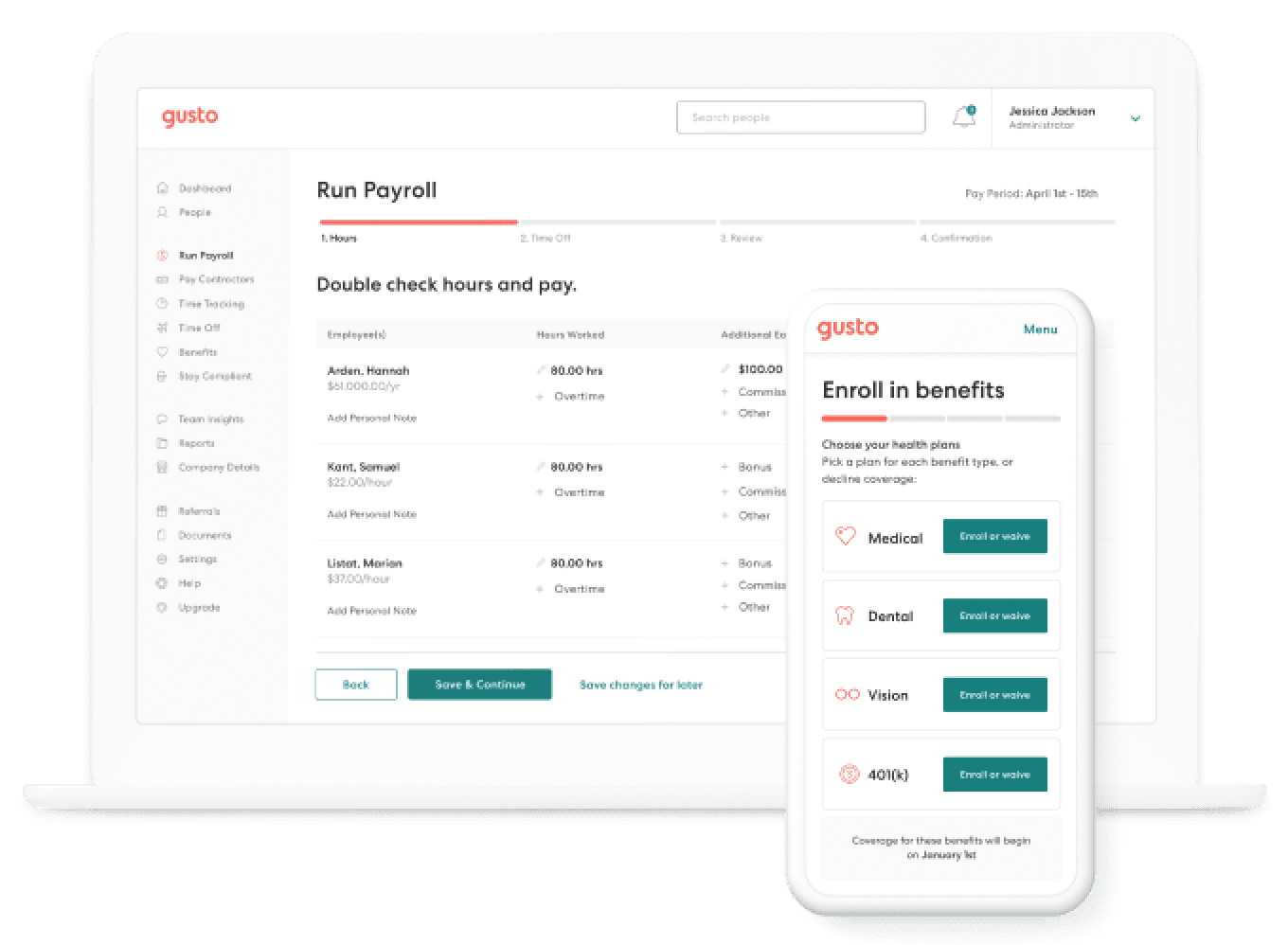
For businesses employing remote workers across different regions, navigating local tax laws and labor regulations can be overwhelming. Payroll automation software:
- Automatically updates tax codes and labor laws to ensure compliance.
- Calculates and withholds the correct taxes for different locations.
- Generates reports for audits and tax filings with ease.
- Reduces the risk of tax penalties by ensuring accurate filing and payment deadlines are met.
This reduces the risk of costly compliance errors while giving HR and finance teams peace of mind.
Reduces administrative work for hr teams
Manual payroll processing is time-consuming and prone to errors. By automating the process, HR professionals can:
- Spend less time on repetitive data entry tasks.
- Focus on higher-value activities like employee engagement and talent development.
- Reduce paperwork with digital pay records and e-signatures.
- Streamline onboarding and offboarding payroll processes to ensure smooth transitions for employees.
With less administrative burden, HR teams can contribute more strategically to company growth.
Enhances employee experience and satisfaction
Employees expect seamless digital experiences in every aspect of their work, including payroll. Automated payroll systems:
- Offer self-service portals where employees can access pay details, tax documents, and benefits.
- Provide mobile-friendly platforms for easy access from anywhere.
- Improve transparency in payroll processing, reducing misunderstandings and disputes.
- Ensure consistency in benefits administration, allowing employees to understand their earnings, deductions, and bonuses clearly.
A frictionless payroll experience translates to happier, more engaged employees who can focus on their work without financial worries.
Improves security and data protection
 Handling payroll data manually increases the risk of data breaches, identity theft, and human errors. Payroll automation solutions:
- Use encryption and secure cloud storage to protect sensitive information.
- Reduce reliance on paper-based records, minimizing data loss.
- Implement multi-factor authentication and role-based access control for added security.
- Offer secure integrations with accounting software to ensure smooth financial operations.
By safeguarding payroll data, businesses can protect their employees and maintain trust.
Supports workforce flexibility and global expansion
As more companies expand their hiring beyond borders, managing international payroll manually becomes unsustainable. Payroll automation helps by:
- Supporting multi-currency payments and exchange rate calculations.
- Adapting to different labor laws and benefits structures in various countries.
- This allows companies to integrate international workers seamlessly into their payroll system without disrupting operations.
This enables businesses to tap into a global talent pool without worrying about payroll complications.
The long-term benefits of payroll automation
As remote work continues to evolve, payroll automation is becoming a necessity rather than a luxury. Companies that embrace automation can enjoy:
- Scalability: Easily accommodate workforce growth without overhauling payroll processes.
- Cost savings: Reduce administrative costs and minimize compliance penalties.
- Increased productivity: Free up HR and finance teams to focus on strategic initiatives.
- Greater employee retention: A seamless payroll experience contributes to employee satisfaction and loyalty.
- Reduced legal risks: Staying compliant with labor laws and tax regulations minimizes potential lawsuits and fines.
By investing in payroll automation, businesses can future-proof their operations while fostering a stress-free work environment.
Embracing payroll automation for a smoother future
The shift to remote and hybrid work has transformed payroll management from a routine administrative task into a critical component of employee well-being. Payroll automation alleviates the challenges of manual processing, ensuring timely payments, compliance, security, and efficiency. By implementing an automated payroll system, businesses can create a more supportive, productive, and stress-free work environment for their employees—no matter where they are in the world.
Moreover, companies that prioritize automation gain a competitive edge by enhancing operational efficiency, reducing stress for both HR teams and employees, and positioning themselves as modern, tech-savvy organizations. As the future of work continues to evolve, payroll automation will remain a crucial tool in ensuring a seamless, hassle-free payroll experience.
Need marketing help to support business growth?
We welcome the opportunity to show you how we can make your marketing SIZZLE with our data-driven, results-oriented marketing strategies. Sign up for our FREE newsletter, get our FREE guide to creating an awesome website, or contact us for more information on hiring us.
Hausman and Associates, the publisher of MKT Maven, is a full-service marketing agency operating at the intersection of marketing and digital media. Check out our full range of services.
Discover more from MKT Maven
Subscribe to get the latest posts sent to your email.


