 logo

You can create an incredibly engaging cold email. Yet, if your email doesn’t get opened, all your hard work is in vain. Since folks get an average of over 120 emails a day, which takes 2.6 hours per day, on average, to deal with (according to the Harvard Business Review), most users scan their mail quickly before deleting most of them. Thus, the subject line is crucial; it’s the first element people notice and often determines whether your email is opened or overlooked.
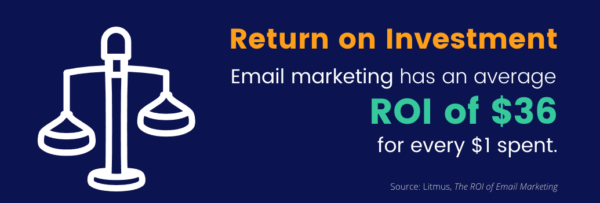
As you can see in the image above, email marketing offers vast potential, but only when you craft messages that both get opened and ignite users to click on your offers. Today, we’ll tackle the problem of getting the message opened in the first place, which relies heavily on your subject line. Hence, determining which strategies you can employ to create compelling subject lines that captivate readers and boost open rates is the first step in achieving the potential offered by email marketing. Let’s delve into some essential techniques.
What is cold email?
First, know that cold email isn’t spam. It’s generally personalized and directed at a specific person with the hope of creating a relationship with that person, while spam is sent out as a mass email without any notion of who is getting the email beyond an address. Since cold email is directed at a specific individual, maybe from a purchased list, the sender can direct the user with knowledge of their needs; making cold email marketing an effective marketing tool. Cold email marketing is also legal as long as the sender conforms to US Can-Spam laws and similar laws in other countries if you’re sending email messages outside the US.
Making your cold emails effective
What makes a great cold email subject line?
A strong subject line must be brief, precise, and captivating. It should encourage readers to open your email by offering real value or interesting insights. Avoid any tone that might seem spammy or overly enthusiastic, as this can dissuade recipients from engaging and may violate Can-Spam regulations against deceptive emails.
Here are a few things that work:
- Personalized communication is crucial for building rapport with the recipient and vastly increases engagement and conversion rates. Including the recipient’s name or company in your message makes it feel more customized and engaging. However, deep personalization is crucial to achieving good results, which goes beyond a personalized subject line.
- Curiosity – Incorporating an element of mystery significantly enhances a user’s motivation to open and engage with your email. This increased intrigue promotes deeper involvement by prompting active engagement with the material, thereby fostering a culture of inquiry that leads to more profound questions and a better understanding of the topic at hand. By creating an environment that stimulates curiosity, we empower learners to connect concepts and think critically, ultimately improving their educational experience.
- Value – When a message promises useful information or benefits, people are much more likely to engage with and open it. This idea emphasizes the importance of providing content that aligns with the audience’s needs and interests.
- Brevity is crucial for effective communication, particularly in email subject lines, since only a small portion of the subject is shown prior to opening the message. Many users use a mobile device to check their emails. Hence, keeping the subject line short is vital if you want to ensure it is visible as intended and communicates enough of your message to entice users to open it.
Let’s use some real examples to demonstrate how to create great subject lines for your cold email messages.

Subject line examples that get opened
The subject line of your email serves as a headline to highlight your message and make it stand out in the user’s inbox. If it fails to garner attention, users will likely never see the rest of your content. Below are several proven strategies for crafting compelling subject lines that not only engage recipients but also encourage them to click and open your email. These strategies are designed to optimize your email open rates and enhance your overall communication effectiveness.
1. Personalized subject lines
Use the person’s name as part of your subject line. It adds a personal touch that makes an email feel not only relevant but also meaningful. More effective, however, is highlighting that the message was crafted to help the user overcome obstacles. Here are some examples:
- [First Name], quick question about [Company]
- [First Name], this might help with [Pain Point]
- [First Name] saw you’re doing great at [Company]
2. Curiosity-driven subject lines
People love surprises. Give them a reason to click:
- You’re missing out on this, [First Name]
- This could be a game-changer for [Company]
- Something you’ll want to see, [First Name]
3. Value-packed subject lines
If you offer something valuable, let them know upfront:
- Free [resource] to help with [Pain Point]
- Quick tips to improve [specific metric]
- How to fix [problem] in just 5 minutes
4. Emojis
Using emojis in your subject line draws attention, makes your message friendlier, and increases your open rates. However, using too many emojis in the subject line makes it look unprofessional and overly sales, so users quickly delete it. Here are some good examples of the right way to use emojis from Constant Contact.






Common mistakes to avoid
Some subject lines do more harm than good. Here’s what to steer clear of:
1. Being too salesy
Nobody likes being sold to. Avoid lines like:
- Buy this now!
- Limited-time offer!
- You need this product today!
If you do have something valuable to offer, ensure the message itself echoes this offer or your email violates anti-spam regulations. Penalties for these violations are very steep, so don’t do this.
2. Making it too long
Long subject lines get cut off, especially on mobile devices. Keep them under 50 characters.
3. Using spam triggers
Words like “free,” “discount,” and “urgent” can send your email straight to spam. Instead of saying “Free offer,” try “Here’s something at no cost.”
Testing and optimizing your subject lines
Not every subject line will work the same for everyone. Here’s how to find the best ones:
- A/B testing – Send two or more versions of the same email with different subject lines and see which one performs better, not only in getting opened but in gaining clicks and conversions. Remember, opening the email is only important when it gives you the opportunity to make a sale.
- Check open rates – If your open rate is low, tweak your subject line and try again.
- Experiment with personalization – Adding a name or company might improve results.

For example, if you’re sending cold emails to prospects in the SaaS industry, try testing subject lines that reference specific challenges they face. Also, adding a free email signature generator to your email can make you look more professional and boost credibility.
Making subject lines work for LinkedIn outreach
If you’re reaching out on LinkedIn, your message preview works like a subject line. First impressions matter here, too.
Use LinkedIn formatting to make your outreach look clean and professional. A well-structured message increases the chances of someone opening and responding.
The power of timing in email open rates
Even the best subject line won’t work if sent at the wrong time. Timing plays a crucial role in open rates. Here’s how to get it right:
1. Send emails at the right time
Studies show that emails sent in the morning or early afternoon get better open rates. The best times are typically:
- Tuesday to Thursday mornings – Between 8 AM and 10 AM.
- Afternoons – Between 1 PM and 3 PM works well too.
- Avoid Mondays and Fridays – Mondays are busy, and Fridays are for winding down. When someone logs in on Monday, they likely find their inbox filled with messages received over the weekend, especially true for work emails. On Fridays, everyone just wants to get out of the office to begin their weekend.
2. Consider time zones
If your audience is spread across different time zones, schedule your emails accordingly. You don’t want your email arriving in the middle of the night when no one is checking their inbox.
3. Test different times
Experiment with varying times for sending email messages to see what works best for your audience. Some industries might respond better to early mornings, while others prefer mid-afternoon messages.
Final thoughts
A strong subject line can make the difference between an opened email and one that’s ignored. Keep it short, personal, and valuable. Avoid spammy tactics. Test different approaches. If you do this right, you’ll see more opens, responses, and better results from your cold outreach.
Need marketing help to support business growth?
We welcome the opportunity to show you how we can make your marketing SIZZLE with our data-driven, results-oriented marketing strategies. Sign up for our FREE newsletter, get our FREE guide to creating an awesome website, or contact us for more information on hiring us.
Hausman and Associates, the publisher of MKT Maven, is a full-service marketing agency operating at the intersection of marketing and digital media. Check out our full range of services.
Discover more from MKT Maven
Subscribe to get the latest posts sent to your email.


