 logo

Modern marketing is no longer about individual tactics—it’s about building a smart, connected infrastructure that enables you to move faster, personalize more deeply, and measure more effectively. If you’re still using separate tools or manual workflows, you’re falling behind. At the heart of modern marketing infrastructure is the ability to connect systems across the funnel, from discovery to retention, and automate as much as possible without losing the human touch. But choosing the right tools isn’t enough. What matters is how you combine them into a seamless, responsive system that adapts to your audience and business. In this article, we’ll examine the foundational tech stack that every modern marketing team should consider, as well as tactical use cases that drive ROI. We’ll also explore how companies in various sectors—from finance to healthcare—customize their stacks to stay competitive.

Modern marketing infrastructure: Your marketing tech stack
A modern marketing infrastructure starts with the right tools for your core functions. Think of these as individual building blocks for your larger system. Let’s break down the essentials:
1. Customer relationship management (CRM)
A CRM isn’t just a database—it’s your single source of truth for every customer interaction. Platforms like HubSpot, Salesforce, or Pipedrive help teams unify contact info, sales activity, support history, and marketing engagement in one place. This data then becomes the backbone of segmentation, personalization, and reporting.
Rather than allowing your CRM system to dictate strategy, you need to use it to supplement your human resources. This way, you extend your interactions with customers to build loyalty and trust, while utilizing your people to ensure the interactions remain personal.
2. Marketing automation tools
Tools like ActiveCampaign, Klaviyo, and Autopilot let you build complex workflows based on user behavior. Whether it’s a welcome sequence, nudging cold leads, or following up after a purchase, automation helps you scale without losing relevance.
3. Analytics and attribution
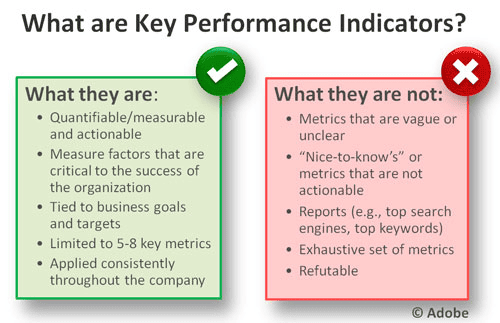
Data is only powerful if you can interpret it. Most organizations today are drowning in data, yet they build only a few key insights that help them optimize their marketing. That’s because they don’t understand the concept of KPIs (Key Performance Indicators), so they don’t know where to focus their attention when analyzing data. They measure the wrong things, fail to develop a comprehensive dashboard that allows them to glean insights at a glance, or don’t use data visualizations properly.
Google Analytics 4, Mixpanel, and attribution tools like Triple Whale or Northbeam let you know what’s working—and what isn’t. Knowing whether a lead came from paid search, organic content, or a LinkedIn campaign can be the difference between scaling and wasting budget.
4. Content management systems (CMS)
A flexible CMS enables you to manage your content independently, without relying on developers. WordPress is still a solid choice (and the one I use). Still, Webflow and headless CMS platforms like Sanity or Contentful are gaining traction for brands that want performance, customization, and scalability.
Blending physical and digital:
One often-overlooked aspect of marketing infrastructure is how your physical spaces contribute to your brand experience. This is especially important in client-facing industries or hybrid work environments.
Something as simple as office flowers can elevate your space, reinforce brand aesthetics, and create a more welcoming atmosphere. When customers or partners walk into your office, these details communicate a sense of care and attention, values that are increasingly important in the modern customer experience. Savvy marketers don’t treat the offline experience as separate from the digital one. Instead, they look for harmony between the two.

High-impact tactics enabled by infrastructure
Once your foundation stack is in place, the next step is to activate it with targeted strategies. These tactics don’t just rely on the right tools—they depend on how well those tools talk to each other.
1. Behavioral email journeys
Forget static drip campaigns. Modern platforms enable dynamic, behavior-based workflows that trigger emails based on specific user actions, such as visiting a product page, abandoning a cart, or opening multiple emails without converting. These real-time responses not only increase relevance but also dramatically increase conversion rates.
By coding subscribers based on these behaviors, you can segment your list and personalize email messages to focus on precisely the products that interest each subscriber. For instance, sending a coupon based on the pages viewed by a subscriber or offering suggestions for additional purchases not only builds your relationship with the subscriber but can also result in higher revenue, as personalized email messages deliver 6X higher transaction rates.
2. Audience-based advertising
Tools like Facebook Ads Manager and Google Ads can now integrate with your CRM or customer data platform (CDP). This allows you to retarget based on lifecycle stage, ensuring your ads reach the right audience, or create lookalike audiences of your most profitable customers to increase conversion rates. It’s not just about reaching people—it’s about reaching the right people, at the right time, with the right message.
3. Cross-channel orchestration
One campaign can have many touchpoints, which may include any combination of channels, such as SMS, email, push notifications, chatbots, and even direct mail in addition to advertising and content marketing. Orchestrate all these through platforms like Iterable or Customer.io, ensuring message consistency and preventing overlap or fatigue. You’ll also have better control over user journey mapping across devices and platforms.
4. Data hygiene as a strategic advantage
Marketers often overlook the importance of clean data. Inaccurate or outdated information leads to poor personalization and wasted spend, ultimately reducing your results. Regularly audit your CRM, remove duplicates, and maintain consistent tagging across platforms to keep your campaigns efficient and your segmentation sharp.
Infrastructure in action: Industry-specific use cases
A modern marketing infrastructure isn’t one-size-fits-all. The most successful marketing operations are those that tailor their tools and processes to the specific demands of their industry. Let’s examine how various sectors are utilizing modern stacks to achieve results.
Financial services: Scaling with precision

Marketing in finance is high-risk. You’re dealing with complex buyer journeys, regulatory requirements, and high-value clients. The rise of financial services outsourcing has enabled firms to offload key marketing operations, such as lead qualification, content creation, or campaign reporting, to specialized providers with deep regulatory expertise. This not only speeds up time-to-market but also data handling compliance. Tools with built-in encryption, consent tracking, and audit trails are crucial. And when integrated with CRMs and automation platforms, outsourced teams can execute complex, compliant campaigns without bottlenecks.
Disability services: Simplifying client communications
Small healthcare and disability providers have a unique challenge: balancing compliance with personalization. This is where the right marketing infrastructure really shines. For example, using dedicated ndis software for small providers allows these businesses to manage client data, schedule appointments, and track communications—all from one dashboard.
What’s powerful here is the ability to tie administrative tools into a broader marketing strategy. You can automate intake emails, follow up on care plans, or remind clients of upcoming services without needing to switch platforms. The result is better engagement and smoother operations.
Connecting the dots between tools and strategy
By now, it’s clear that modern marketing infrastructure isn’t about having the most tools—it’s about having the right tools that work together. And while industries like finance and healthcare show the value of specialized infrastructure, every business can benefit from thinking modularly.
Modularity
A modular marketing stack allows you to swap components in and out as your business evolves. Rather than committing to a monolithic “all-in-one” platform that locks you into a specific ecosystem, you can:
- Choose a best-in-class CRM.
- Add a purpose-built email automation tool.
- Layer in analytics tools tailored to your KPIs.
- Integrate niche solutions for operations, like scheduling or invoicing.
These components become exponentially more powerful when they connect seamlessly. That’s where middleware platforms like Zapier, Make (Integromat) or Tray.io come in. These tools act as glue, letting non-technical teams automate complex workflows across apps without writing code.
For example, you might create a workflow that:
- Triggers an email when a lead is marked as “qualified” in the CRM.
- Sends a Slack notification to the sales team.
- Logs the touchpoint in a shared Google Sheet for monthly reporting. This kind of orchestration isn’t just nice to have—it’s necessary. It frees up marketing teams to focus on creativity, experimentation, and customer insights, rather than wrestling with disconnected systems.
Brand experiences online and offline

Modern marketing infrastructure doesn’t stop at software. It extends into how your brand is experienced—in the inbox, on your website, and in your physical space. Take office design as an example. Smart brands are investing in cohesive experiences that match their digital presence. Something as simple as office flowers in your reception or meeting rooms can convey warmth, sophistication, and attention to detail. When that experience mirrors your email or website tone, it reinforces your brand.
This alignment between physical and digital is often overlooked but plays a massive role in how prospects and customers perceive trust and professionalism.
Build, measure, evolve
To build a modern marketing infrastructure for 2025 and beyond, follow these three principles:
- Integrate around your funnel. Start by mapping out your full customer journey. Identify the bottlenecks, drop-offs, or delays. Then, build your stack to solve those specific gaps, not based on features alone.
- Be adaptable. Business changes fast. Choose modular tools that can grow (or shrink) with you. Build with flexibility in mind.
- Invest in cross-functional value. Your infrastructure shouldn’t just serve marketing. When properly integrated, it should help sales, customer success, operations, and even finance make better decisions.
Ultimately, the best marketing infrastructure is invisible to the customer, but instrumental to your success. It’s the behind-the-scenes engine behind every personalized touchpoint, timely follow-up, and seamless handoff. Marketers who get this—and build accordingly—are not just growing but leading.
Conclusion
A modern marketing infrastructure requires marketers to select the right tools for the right situation and then utilize those tools in an integrated manner to support their business. By using these tools to supplement rather than replace human interaction, they blend the best parts of human and machine.
Need marketing help to support business growth?
We welcome the opportunity to show you how we can make your marketing SIZZLE with our data-driven, results-oriented marketing strategies. Sign up for our FREE newsletter, get our FREE guide to creating an awesome website, or contact us for more information on hiring us.
Hausman and Associates, the publisher of MKT Maven, is a full-service marketing agency operating at the intersection of marketing and digital media. Check out our full range of services.
Discover more from MKT Maven
Subscribe to get the latest posts sent to your email.


