 logo

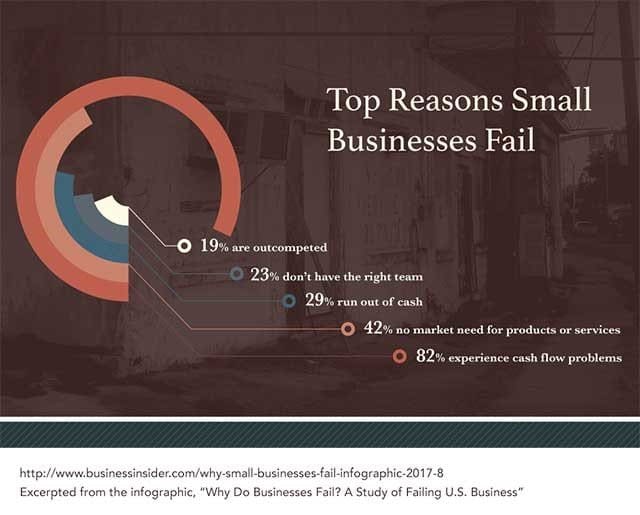
So, you’re marketing a startup. Think revenue, not Series A or loans. That’s right. Because revenue is free money — you don’t have to pay it back, answer to investors, dilute ownership. Nothing. Nada. No strings attached. I can name a hundred startups, and even established businesses, where investors or lenders sunk the brand, stole the company, or caused such cash flow problems that the business failed (note the failure rate due to cash flow problems in the image below). Think Tesla (where the founders are out after Musk forced poor business decisions until he could buy the company) or Apple (which ousted Steve Jobs, only to bring him back later when the company floundered). So, why are startups so focused on VC money when revenue is free?
Beats me.
I work as a fractional CMO for startups and have taught marketing for nearly 30 years. I can tell you most businesses are too focused on financing and, thus, wait too long before thinking about marketing a startup. In fact, some experts recommend that marketing a startup should start before you write the first line of code, place your first order for inventory, sign a lease, or connect the first circuits.
Why? Because marketing is what brings in revenue. Revenue is what pays your bills, provides funds to help you grow, and contributes to your community by providing employment.
Let’s explore why more businesses don’t market a startup the right way.
Marketing a startup the right way
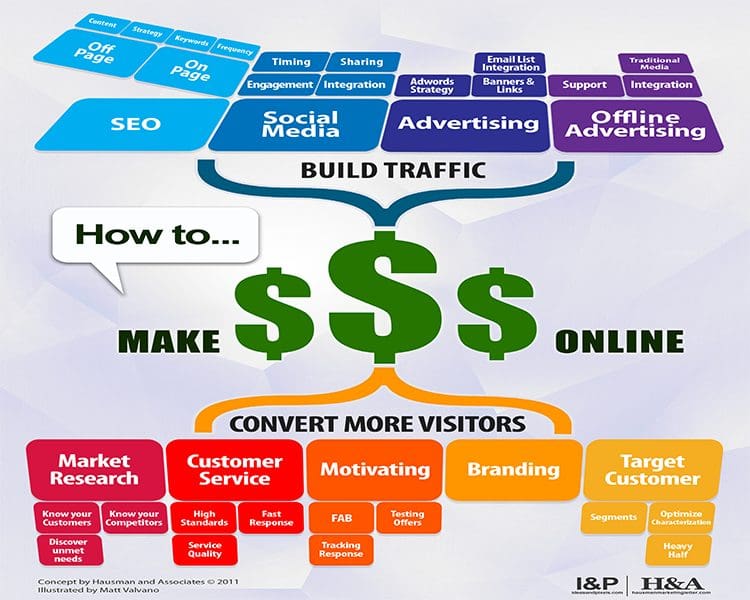
Many businesses don’t think about marketing a startup early because they’re confused about what marketing is. Marketing, unfortunately, has a bad reputation with folks who only think about advertising when they think about marketing (the top half in the graphic above). They totally forget that marketing also involves the actions at the bottom of the graphic. In fact, it’s the bottom half of the graphic (market research, customer service, branding, and targeting) that contributes more to your business success than advertising.
When marketing a startup, you might not need the advertising part of marketing right away, since you likely don’t have anything to sell yet. However, you’ll need most of the bottom part of the graphic, so focus your efforts on marketing a startup with these key aspects. Once you know your target market and how to reach them through market research, establish processes to ensure superior customer service, and establish branding that resonates with your market, you can think about using advertising to support revenue.
Instead of an engineering mindset, develop a marketing mindset that focuses on revenue generation from the very start. Build a product customers love by understanding what they love before you start building.
Before you start marketing a startup, here are some marketing actions you’ll need:
1. Share your idea early and often.
Some folks are terrified of sharing their “brilliant” idea because someone might steal it.
That’s just crazy.
First, you’re probably not the only one who had the idea. Someone, somewhere, already thought of it. If the solution is so obvious and so easy to do, you’ll never protect your product (and you can’t do anything to protect an idea). Ultimately, you’ll have to sell your product, and then the whole world will know about it. Someone bigger than you will do it and do it better than you, or they’ll find another way to accomplish the same goal that doesn’t interfere with your intellectual property protections.
Instead, search for ideas that involve barriers to entry. Patents offer one barrier to entry. Other barriers to entry provide sustainable competitive advantage, including:
- A low-cost structure — as a startup, you don’t have the high overhead and bureaucracy that make a larger business slow and expensive. Keep it that way by building efficiencies into your processes and sourcing intelligently.
- Building a great team with good connections within your target market.
- Create and sustain a strong market base by starting small with low-hanging fruit, then expanding your reach. When Facebook launched, it captured the students at Harvard very quickly because they were Harvard students, and then branched out to other universities. By the time they were ready to leave the relative safety of a dot edu address, they were so strong that it was difficult for a competitor to overtake them.
- Excellent product design
- Superior customer service. Once you develop a poor reputation, it’s extremely hard to turn attitudes around. So, start out the way you intend to continue when marketing a startup.
2. Product validation
Customers buy solutions, not products. If your product solves a problem, especially if it’s a big problem for lots of people, you’ve got a winner. Developing a product that doesn’t solve a big problem is just a waste of resources. So, before you build a product or create a business, do a serious product validation. Too often, I see startups solving a problem that doesn’t exist. Or a problem with lots of good, well-established solutions available.
For instance, at a recent pitch event, I heard so many would-be entrepreneurs pitch an idea to compete with meal delivery companies like Grubhub. Even with the tiny tweaks offered by these products, such as allowing users to split the cost, they had a low probability of success. They would have a hard time overcoming the massive marketing investment already spent to make Grubhub a household name, and a company with those resources could easily copy your little tweaks in no time.No matter how much money you have, no matter how talented your team is, you’ll never go far with a product that doesn’t solve a major problem shared by lots of consumers.
Marketing is critical for doing product validation. But don’t think of market research.
There’s the old saying attributed to Henry Ford,
If I had asked people what they wanted, they would have said faster horses.
Consumers don’t always know how to solve their own problems. But they know a solution when they see it.
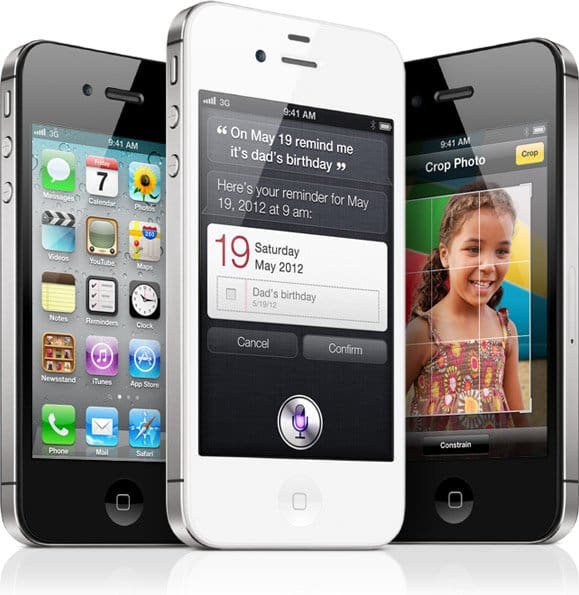 For all his failings, Steve Jobs was great at anticipating what customers needed without asking them. He observed how they interacted with their worlds, then provided products that solved problems while fitting seamlessly into their lives. That way, he increased demand, rather than just fighting for his share among folks already marketing similar products.
For instance, he noticed his daughter, Lisa, always carried a clunky tape player and tapes so she could listen to her music on the go. So, instead of creating a smaller tape player, he transformed the industry by introducing something radically different — the iPod. With the iPhone, he even made his own product obsolete by connecting users to as much music as they wanted (plus lots of other online tools) nearly everywhere.
So, instead of market research, watch how real people interact with their environments. Listen to things they complain about. Let customers show you what they need. Then build a prototype (or preferably multiple prototypes) to show your target market. They don’t have to be working prototypes; they can be made of styrofoam, using a rapid-prototyping software tool, or using a 3D printer to do a rough prototype.
3. Build your Beta list
Marketing a startup takes time, especially for a radically new product. If you wait to start marketing until you’re ready to launch, your wonderful new product will simply flounder among the noise created by the plethora of other options. Now, you have a team that’s worked — often for little money — and bills that you need to pay, but no revenue coming in.
It’s never too early to start building a list of folks who are interested in your product. Get the team involved in networking events, start your social media campaigns, build a killer website containing landing pages with great offers, cultivate a media following so they’ll be receptive to your press releases, etc. Get the word out as much and as often as possible. These folks will be your first testers and it takes time to build an effective list of potential users. They’ll also test your product in the early stages to help ensure your product meets the needs of your target market.
I worked for 2 years marketing a startup as their CMO. We demoed the product when all we had was a PowerPoint presentation highlighting the problem and how we were solving it. By the time we launched, we had hundreds of folks who’d signed up as Beta testers. That way, when you launch, you’ve got a built-in group of evangelists to take your product marketing to the next level.
Your Beta list is also a great tool for getting feedback quickly, so at each stage of the process, you’re getting feedback from real users.
4. Prepare for launch
Launching is intimidating. You’ve finally finished your baby and you’re ready to show it to the world, even if it’s just an MVP (minimum viable product). The key here is the viable part. Don’t consider launch if your MVP lacks key components that provide a sustainable competitive advantage over existing ones.
But what do you do if you launch and nobody comes? I’ve been to many a launch party where nobody showed up. How sad. And avoidable.
If you’ve been marketing all along, you’ve got your list. Invite them to the launch — whether it’s virtual or real — and ask them to bring friends and share in their social networks. Take the list of media you’ve been cultivating and send a press release announcing your launch.
Otherwise, you’re talking about spending a lot of money to advertise your launch or having it fall flat.

5. Iterate
In my experience, a product is never done. It’s always a work in progress. After launch, get feedback from real users. But don’t just ask them how they like it, watch them use it. What problems do they encounter? Which features do they find missing? I did a presentation with the guy who worked on the Microsoft Surface team. He watched social media and other communication channels in the days after launch to determine what users were saying about the product. Within days, he had a list of improvements ready for the development team, which quickly iterated to solve the biggest problems he found.
And, be prepared for a major revision. Don’t spend everything you have on the first iteration because you’ll likely spend nearly as much on the first iteration.
Also, don’t take it personally. Listen to what users say and watch what they do. Don’t defend the decisions you made. Don’t blame users for problems they encounter. Make it work seamlessly for them.
6. Build and defend your brand
Even during the development phase, work on developing a brand you’ll be proud of. Once you launch, work to defend that brand. If negative comments begin appearing, address the criticism thoroughly. Be empathetic. Never attempt to delete them. Instead, use them as tools to improve your offering. A big part of marketing a brand involves communication, so address criticism by owning the problem, then showing steps you’ve taken (or plan to take in the near future) to keep it from happening again.
Defending your brand doesn’t mean demeaning folks who complain. It means addressing and fixing whatever caused the complaint.
7. New product development
Don’t get complacent with the product you developed. In addition to constant improvement, think about new products related to your core product, as few brands can survive with a single product. Plow revenue into projects that will help you sell more products to existing customers (such as Apple branching into nearly every advanced consumer technology) or help you better serve your market (such as Amazon, which plowed all its revenue into warehouses that sped products to customers).
Conclusion
Marketing a startup starts long before you have a business to market. Using these seven tools can help ensure your startup starts strong and continues to grow. Good luck.
Need marketing help to support business growth?
We welcome the opportunity to show you how we can make your marketing SIZZLE with our data-driven, results-oriented marketing strategies. Sign up for our FREE newsletter, get our FREE guide to creating an awesome website, or contact us for more information on hiring us.
Hausman and Associates, the publisher of MKT Maven, is a full-service marketing agency operating at the intersection of marketing and digital media. Check out our full range of services.
Discover more from MKT Maven
Subscribe to get the latest posts sent to your email.


