 logo

Processing returns and samples of goods may be problematic for the company because our logistics system isn’t built to optimize reverse logistics. Products and boxes that sit around waiting for inspection and reshipping consume valuable space at home or in the office, as you likely realize if you’ve bought anything you want to return. Without a streamlined process for handling these returns, clutter builds and inefficiency abounds, including damage, loss, and waste. A local staging area offers a convenient answer to this problem—placing the items apart, systematized, and in place for the next process. This allows for smoother workflows and reduced stress for all parties.
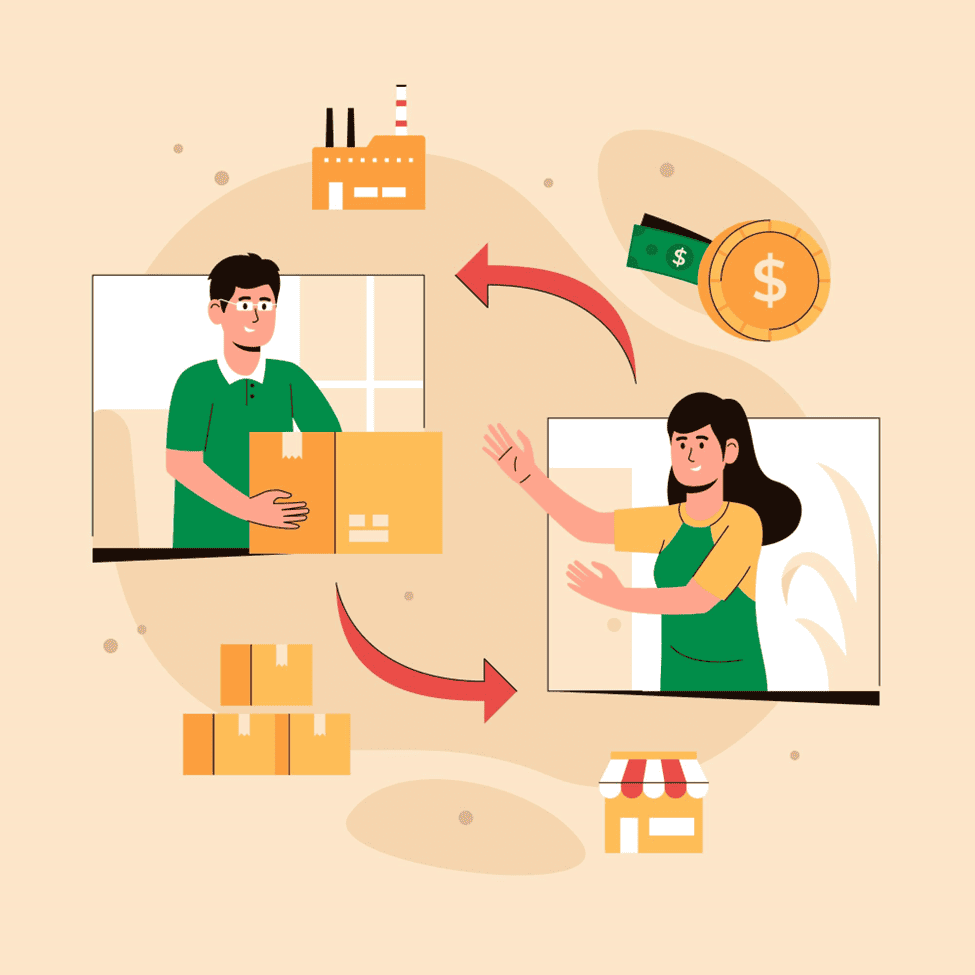
Historical Note: The concept of goods staging has existed for centuries. Ancient harbor cities had merchants designate special storage yards off docks upon which goods were temporarily moved before trading them, inspecting them, or sending them further on. It eased commerce by reducing traffic congestion in the markets. The very concept exists today in the context of storage hubs to offer people a practical way of handling returns and samples so they aren’t congesting their living or workspace.
Why local staging is needed
Returns and product samples can quickly overwhelm a space if not handled with care. Businesses often face piles of boxes waiting for inspection before they can be resold, discounted, or trashed, while households may deal with trial items or returns of items that aren’t wanted. Without an efficient system for handling these items, clutter grows, and items get misplaced. A local staging area provides an organized solution, giving returns and samples a dedicated place until the next step in the return process. With NSA Storage, companies and individuals gain a secure environment to keep goods safe and separate until the next step in the process, making workflows smoother and more reliable.
- Keeps returned items separate from daily operations
- Provides easy access for sorting, inspection, and redistribution
- Reduces clutter and frees up valuable working space
Local staging areas act as a buffer zone, helping manage the flow of goods without overwhelming spaces needed for other critical operations. Whether for a business handling customer returns or a household managing unwanted personal items, staging ensures smoother transitions and less stress.
Problems with reverse logistics
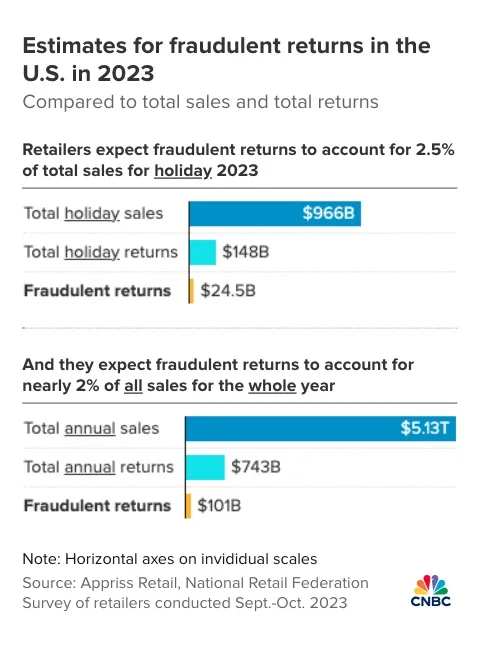
In addition to creating clutter, product returns represent a significant cost estimated at $100 billion in the US between online and in-store sales. As more consumers turn to e-commerce for their shopping needs, the return rate is increasing because they cannot fully assess products based on pictures and descriptions, resulting in a return rate twice that of in-store shopping. Not only are shipping costs high since our logistics system isn’t designed for small shipments and many companies (like Amazon) offer free returns, but it also involves other costs, including:
-
- Processing product returns
- Tracking them through the pipeline
- The potential for fraud and abuse

Image courtesy of CNBC
- The possibility of product damage or obsolescence that requires businesses to discard the returned product
- Potential for customer dissatisfaction if the return isn’t accepted or credited to the account promptly
- The already mentioned clutter that makes it challenging to operate efficiently
Problems with clutter
- Lost items create delays and extra costs.
- Crowded areas reduce efficiency and safety.
- Mixing samples with regular stock causes confusion.
- Damaged goods occur from poor organization.
Observation: A small online shop kept returns and product samples stacked in a corner of their office. Over time, boxes mixed with active inventory, and orders were delayed when the wrong items were shipped. Once they moved returns and samples into a nearby staging hub, the workflow became clearer. Staff knew exactly where to place incoming items, and mistakes dropped immediately.
Clutter can hold back both homes and businesses. Organized staging clears space and makes handling returns simple.
Benefits of local staging hubs
Businesses and individuals often ask how a local staging hub can improve the process of managing returns and samples. Here are a few common questions with simple answers.
What is the best way to use a local staging hub for returns?
The best method is to assign a specific area in the hub just for returns. This makes it easier to inspect, sort, and prepare items for the next step without them mixing into active inventory or personal spaces.
How does staging help with product samples?
Samples are often needed quickly for meetings, promotions, or customer reviews. By keeping them in a nearby hub, they remain separate, easy to find, and ready for distribution without interfering with other stock.
Does using a hub save time and money?
Yes, staging cuts down on misplaced items, reduces clutter, and prevents mistakes. This lowers costs while improving efficiency.
Nearby hubs simplify the entire process, giving returns and samples a clear and organized flow.
What to keep in local staging
Not everything belongs in a local staging hub, but certain items benefit from being stored in a separate space. Knowing what to place there helps create smoother operations.
- Customer returns awaiting inspection or repair, as mentioned previously
- Product samples used for marketing or demos
- Seasonal goods that are temporarily not needed
- Extra stock that does not fit in the primary space
By keeping these items in a local staging hub, you reduce clutter and confusion. The result is faster workflows, fewer mistakes, and a better use of space overall.
Tips for smooth handling
One local merchant described how running a local staging hub altered the returns handling dynamics. Prior to implementing a local staging hub, everything just got stacked in the back of the store. Customer returns sat alongside product samples, and it became difficult to separate what needed to be reordered, repaired, or discarded. The chaos also frustrated employees and created holdups and mistakes.
Once they rented a local staging hub, they set up individual areas for different categories. The first section was devoted to returns, the second to samples, and the third to overflow stock. This small change simplified the process immediately. Staff knew exactly where goods belonged and the turnover time for returns plummeted.
Companies utilizing return and sample staging hubs experience reduced handling mistakes by as much as 50 percent.
This case illustrates how the staging is not just extra space but provides structure, reduces stress, and saves both time and money.
Final thoughts
Returns and product samples do not have to overwhelm homes or businesses. By using local staging, you gain a practical way to keep everything in order. The approach helps maintain clean spaces, prevents costly mistakes, and ensures smoother operations. Returns and samples streamlined with nearby staging give you flexibility and peace of mind, making both personal and professional workflows easier. Choosing staging today means enjoying clearer spaces and more efficient systems tomorrow.
Need marketing help to support business growth?
We welcome the opportunity to show you how we can make your marketing SIZZLE with our data-driven, results-oriented marketing strategies. Sign up for our FREE newsletter, get our FREE guide to creating an awesome website, or contact us for more information on hiring us.
Hausman and Associates, the publisher of MKT Maven, is a full-service marketing agency operating at the intersection of marketing and digital media. Check out our full range of services.
Discover more from MKT Maven
Subscribe to get the latest posts sent to your email.


