 logo

In the service industry, keeping clients is just as important (probably even more critical) as gaining new ones. Hence, businesses need to understand what makes clients stay and be loyal. When companies know what causes clients to leave, they can work on keeping clients happy. We do know what keeps clients coming back over time: quality service, client satisfaction, and trust drive client retention.
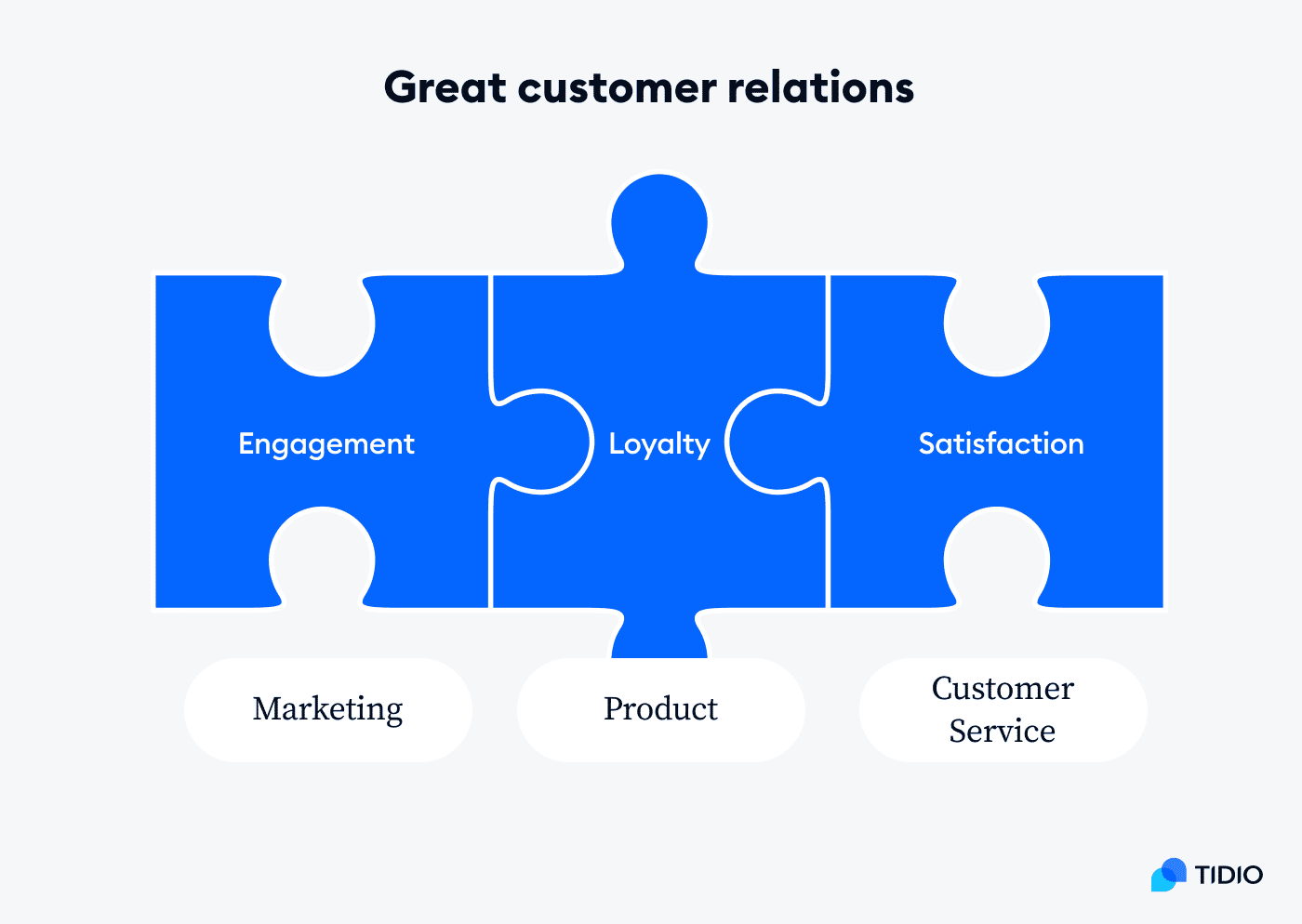
Relationship marketing
As academics, we commonly start our teaching by reviewing the different marketing eras, ending with the relationship marketing era, which focuses on building and maintaining long-term relationships between a company and its customers. Prior to the introduction of this concept in the mid-’80s, marketers developed a selling orientation focused on the belief that a good salesperson could sell anything to anyone. However, researchers discovered that replacing a customer was 5X more costly than simply keeping the customer in the first place and the era of relationship marketing was born.
Over time, the notion of relationship marketing morphed from a simple two-way relationship between buyers and sellers to an all-encompassing relationship that recognizes the impact of other players, including employees, supply chain partners, and even other customers, in building and maintaining these relationships.
Relationships benefit both parties
You might encounter relatively fleeting relationships, like the “relationship” you have with your bank teller, or extended relationships that may take on the characteristics of a true friendship. For instance, you might have a relationship with your hairstylist that looks more like a friendship since you spend an extended period together on a somewhat regular basis. You also share stories about your life and values. You might even invite them to your wedding or other social events and follow them when they move to a new salon. Thus, these commercial friendships can provide psychic value and emotional support in addition to creating a world that’s predictable and satisfying your needs.
For relationship marketing to work, both parties should gain value over simple, arms length transactions. Above, we discussed the value customers receive. Companies also benefit because relationships with customers may translate into increased sales in the long run.
- Customers who have relationships spread the word about your business, which drives others to buy from you.
- Customers who have relationships trust the brand and are more loyal — which translates to buying more from the organization.
- Customers who have a relationship defend you when others criticize you or your brand.
- Customers who have a relationship may act as partial employees to help other customers understand your products and use them effectively.
This makes relationships look better. But that’s not always the case because developing relationships requires time, money, and effort. So, what kind of exchange should you shoot for? That depends! You must conduct a cost-benefit analysis to determine whether to engage in relationship marketing and WHO you should have a relationship with. In another post, I discuss using customer lifetime value and other tools to decide whether to encourage a relationship with some customers.
Focus on client retention
As we discussed in the previous section, investing in client relationships is important and can lead to long-term success. Businesses should regularly evaluate how well they are succeeding in their goal of keeping clients, especially those clients that represent a high customer lifetime value. Armed with this information, companies can adjust their strategies by using data to find trends and areas for improvement. Tools like free salon software with features like online booking and appointment management can play a significant role in client retention. This technology, such as what TimeTailor offers, can help streamline business operations.
Making sure clients are satisfied leads to ongoing loyalty. That’s especially true when the relationship is sticky (meaning it’s uncomfortable to change providers due to the provider’s intimate knowledge of the client, the client’s comfort with the certainty the provider offers, and the number of years associated with the provider. Providing a seamless experience and exceeding expectations can help keep clients. Service businesses need to be consistent in their efforts. Client retention is an ongoing process that requires constant attention.
Defining client retention
Client retention is the ability of a company to maintain continuous relationships with customers over time. It goes beyond simply preventing customers from leaving; it’s about creating value and trust that encourages clients to stay, recommend, and resiliance against the efforts of competitors to capture the client and their business. Keeping clients involves consistent engagement and providing services that meet or exceed their expectations. Retention strategies include regular follow-ups, personalized service, and addressing feedback. A business that successfully retains clients often experiences increased profitability, as acquiring a new customer can be more costly than maintaining an existing one. Understanding retention is necessary for crafting effective strategies and delivering lasting satisfaction.
Understanding client retention
Client retention refers to the actions businesses take to keep their customers coming back instead of choosing competitors. It’s about building loyalty and guaranteeing that clients are satisfied with the services they receive. Retention efforts often include personalized services and proactive support, both of which strengthen the customer relationship. Effective retention strategies can also improve a company’s reputation, making it more attractive to new clients.
Client retention goes beyond customer relationship management (CRM), which is primarily a tool rather than a strategy. CRM looks more like a record-keeping tool to maintain communication with clients that helps build engagement than a personalized approach that delivers superior customer service. 
Importance in the service industry
Client retention is significant in the service industry. The relationship between clients and businesses in these industries often involves direct interactions, where trust and satisfaction are important. Services, by their very nature, can’t be subjected to quality control, so mistakes can happen. It is essential to develop protocols that limit these mistakes and contingencies so that they can be handled with the least disruption to the client.
Loyal clients contribute to steady revenue streams and often bring in new clients through recommendations. Personal connections and tailored services improve the customer experience and strengthen the bond. Service industries face challenges like competition and changing customer preferences, so retaining existing clients is a key strategic focus. Prioritizing retention helps businesses navigate market fluctuations while maintaining client satisfaction.
Strategies for improving client retention
Increasing client retention in the service industry involves addressing specific areas that influence customer loyalty. Key strategies include providing high-quality service, tailoring experiences to customers’ needs, actively using feedback, and leveraging loyalty initiatives. Regular engagement with clients helps encourage a sense of belonging and trust. Additionally, implementing a responsive support system can significantly reduce churn by addressing issues promptly.
Delivering exceptional customer service
Delivering exceptional customer service is the foundation of client retention. Clients expect not only problem resolution but also proactive support. Companies should train their staff to handle inquiries efficiently and with empathy. Regular workshops can maintain service levels and guarantee knowledgeable assistance. Quick response times and polite interactions make customers feel valued and respected, encouraging them to stay loyal.
Offering personalized experiences
Offering personalized experiences helps deepen client loyalty. Understanding individual preferences allows businesses to tailor their services to meet specific needs. Personalized communication, such as emails and offers, makes clients feel special. Technology can support this by analyzing past interactions and predicting future interests. Creating a customized journey provides a unique and memorable customer experience.
In marketing, AI can analyze consumer behavior and recommend personalized campaigns, while human marketers craft the messaging and ensure alignment with brand values. Similarly, in the dating industry, an AI dating app like Iris Dating uses facial recognition and neuroscience to analyze user preferences and suggest compatible matches. Yet it’s still up to humans to decide how to connect, communicate, and build relationships—preserving the emotional nuance that only people can bring.
Implementing feedback systems
Implementing feedback systems allows businesses to understand customer needs and areas for improvement. Regular surveys and feedback forms can capture important information from clients. Listening to feedback shows a willingness to improve and adapt. It’s important to address constructive criticism quickly and effectively. Engaging clients in this process increases trust and loyalty.
Maintaining high-quality standards
Maintaining high-quality standards guarantees consistency in the services provided. Clients rely on businesses to deliver what they promise without fail. Regular quality checks and updates keep services fresh and competitive. Training programs help employees deliver consistent results. By focusing on quality, businesses can build a reputation that clients can trust.
Leveraging loyalty programs
Conclusion
Customer retention in the service industry hinges on several important factors. These include service quality, customer satisfaction, trust, and commitment. Businesses must understand what keeps their clients returning and address any concerns that might cause them to leave.
Effective customer service strongly influences retention, creating a loyal customer base. When companies focus on maintaining strong relationships, they can better retain customers over time.
Need marketing help to support business growth?
We welcome the opportunity to show you how we can make your marketing SIZZLE with our data-driven, results-oriented marketing strategies. Sign up for our FREE newsletter, get our FREE guide to creating an awesome website, or contact us for more information on hiring us.
Hausman and Associates, the publisher of MKT Maven, is a full-service marketing agency operating at the intersection of marketing and digital media. Check out our full range of services.
Discover more from MKT Maven
Subscribe to get the latest posts sent to your email.


