 logo

Maybe you read the title and asked yourself, “What is influence marketing?” and “Why should I do it”?
So, to answer your questions, at least to begin answering them, here’s a quote from Brian Solis, author of the new report, The Influencer Marketing Manifesto, which is the basis for the infographic at the end of this post:
Influencer Marketing is now part of the everyday marketing mix. It’s the next evolution of social media marketing. Influencer Marketing helps brands become more human by connecting them with consumers through authentic storytelling.

Image courtesy of TapInfluence
What is influence marketing?
Influence marketing isn’t some new-age tactic made possible by AI or even internet technologies. Influence marketing has been around as long as there have been communities. A friend showed you a new dress she bought, or a neighbor showed you the slides from his recent trip to Honduras. These shares, often not even containing a recommendation, acted to influence your product decisions. Maybe you didn’t buy the same dress, but the friend influenced your decision to buy one, while seeing the slides focused you on planning your next vacation.
Today, influence marketing is all the rage. Influencers get paid big bucks by brands hoping to capitalize on their large communities on social media, thinking that the brands they recommend will fly off the shelves.
In fact, influencers have a more limited impact on purchases — and their biggest impact comes at a small, defined portion of the purchase cycle. Thus, influence marketing ignores some of the most critical steps in the buying process. You can read another post about the failure of influence marketing to move product, as well as obtain recommendations for better ROI from your influencer campaigns.
How does employing influencers improve your ROI?
That’s an easy one;
- Influencers create awareness — they promote your brand among members of your target audience, which amplifies your message to the very folks most likely to buy your brand.
- Influencers contribute credibility to your brand and its claims.
However, the consumer decision-making process is complex, circular, and influencers have a limited ability to impact purchase decisions at the later stages of the process. Here’s how influencers can impact decisions at various stages in the process:

Stages in the decision-making process
In the circular depiction of the consumer decision-making process, a consumer might start anywhere. But let’s assume the consumer starts with a first awareness of the product and follow that consumer to the final stages of the process.
Stage 1: Consideration set
We commonly think prices heavily influence consumers. All you have to do is look at the number of i-devices (iPad, iPhones, Macs) to understand how little price impacts purchase, as these are often the most expensive options in their product category.
Instead, consumers form a consideration set composed of acceptable products in a particular category. If we’re in the market for a phone, that consideration set might include iPhone, Samsung, Motorola, and Google. Once in the consideration set, price often becomes much less important.
In addition to a consideration set, we might have an inept set consisting of products that don’t offer sufficient performance propositions to fulfill our needs. A product from a brand we’ve had problems with in the past, or about which we’ve heard negative comments, might end up in the inept set. As a brand, you NEVER want to be there because you have no chance of being purchased by the consumer.

Influencers build awareness
A number of factors land a product in the consideration set, such as positive reviews, advertising, or recommendations from social media (including tacit recommendations that simply involve seeing someone with the brand or having them refer to the brand, such as emails that state the response was created on a particular mobile phone). For instance, Starbucks owes much of its success to photos showing celebrities simply holding their cups. This shows how influencer marketing works.
Influencers, due to their relationship with a community, have the visibility to introduce prospective buyers to a product. They also might help consumers become aware that a gap exists between where they are and where they want to be, which is the actual beginning of the decision process.
Influencers who are obviously compensated for their opinions often have less impact because consumers don’t trust them to be objective, which is the true value of influence marketing.
It demonstrates how potential buyers reach the decision to buy your brand. Notice, that awareness is the first, critical step in the process. Without awareness, you can’t sell your product. The old adage, “if you build a better mousetrap, the world will beat a path to your door,” is hogwash — at least in today’s world, where consumers are inundated with possible options to satisfy their needs.
By sharing your message, influencers amplify it — allowing you to reach many more people than ever before. Influencers with larger/or more engaged audiences have much greater potential to amplify your message.
Influencers create credibility
We’re a very jaded society. We’ve seen commercial advertising since we were tiny tots and, over the years, we’ve learned that these advertisers sometimes (often) lie to us. If nothing else, they exaggerate the truth and minimize their failures. We just don’t trust them.
But, we do trust influencers — at least for the most part. A study by Rob Kozinets showed that influencers lose their credibility if they get rewarded for making recommendations. In his study, if readers discovered a blogger got a free camera in exchange for making a good recommendation, they no longer believed anything the blogger said.
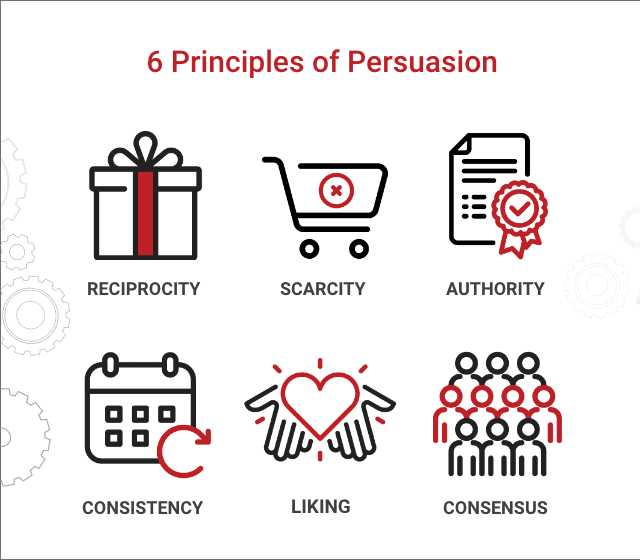
In marketing, we talk about decommoditizing the relationship. That means we take a basic economic exchange and transform it into a social exchange. So, the trick to getting the most from influencers is to build relationships not based on monetary exchange, but based on reciprocity, liking, and other tools of influence.
Solis’s study confirms this. Both marketers and influencers find the greatest value in authentic storytelling, meaning that the influencer shares information that is honest, open, and entertaining.
Stage 2: 0 moment of truth
Consumers are constantly updating their consideration set as they take in new information from a variety of sources. Since this process is driven by recall, in most cases, rather than a physical list, memory plays an important part in driving purchases. For instance, a consumer might simply forget about a brand in their consideration set if they aren’t prompted to remember it. Seeing a new commercial for a brand or a friend with the product might add it back into the consideration set again and drive purchases.
Another pesky element of memory is that things have a tendency to get all jumbled up, so we don’t always remember the facts accurately. After all, we have lots more important things to occupy our brains than remembering your product.
I did a study a few years back where I asked folks to tell me about an ad they’d seen for a prescription drug. A frightening result occurred when I noticed a strong tendency of informants to mix up the drugs and even simple things like the disease it was designed to treat. Or they reported the main elements of the commercial, attributing it to a different brand. This could have deadly consequences and you’d think we’d devote more brain power to remembering these brands than, say, toothpaste.
The impact of influencers at this stage is more muted. They act as a trigger to help us recall a memory that’s been stored away.
Stage 3: 1st moment of truth
A final list of brands fleshes out the consideration set, which now contains more information about the brands. We may now move to a purchase decision or loop back to the 0 moment of truth to gather more information.
Our purchase decision is only part of the process that makes your cash register ring. The other part is actually acting on that decision. A variety of factors might interfere with making an actual purchase to the point where we often see only a 30% correlation between a purchase decision and an actual purchase. That means only about 30% of the people who say they’ll buy the brand actually do.
Stage 4: 2nd moment of truth
Influence marketing has come full circle as the buyer opens and uses his/her product. They’re now the ones able to influence others facing a purchase decision. It’s these personal, unbiased recommendations that really add gas to the influence marketing engine.
It’s not enough just to provide a good product, which is hard enough. You have to motivate your buyers to recommend your brand to their friends. Sometimes it takes superior performance … giving buyers a little something unexpected … to drive recommendations. In other cases, it’s a constant stream of digital efforts, especially email marketing, that might push them over the edge to make a recommendation.
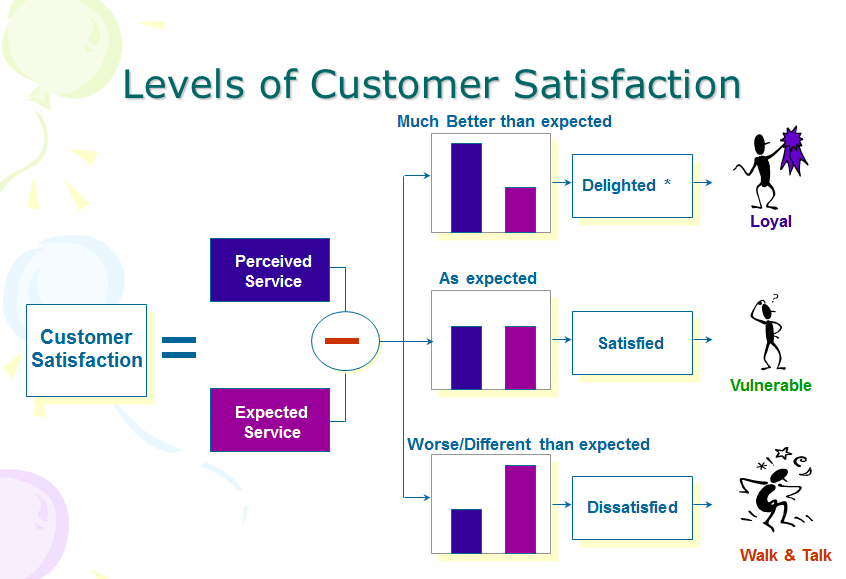
Recommendations from existing buyers are much more valuable than getting them to purchase your product in the first place, so don’t lose focus on influence marketing at this juncture.
Stage 5: Trigger
Remember in Stage 3 we talked about how external factors, such as affordability, might interfere between the purchase decision and an actual purchase. Sometimes it takes a trigger to overcome inertia or to help the consumer cross the line to actually make a purchase.
Think about all the factors that might interfere with a purchase and wipe them out. Amazon, for example, got rid of the many clicks involved in the process with its 1-click buying. The fewer clicks, the more likely you are to make a purchase.
In other cases, a trigger comes in the form of affirmation from your social network. If everyone else seems to be making a similar brand choice, it may be just the nudge a consumer needs to push them over the edge. Influence marketing at work.
Steps in the influence marketing process
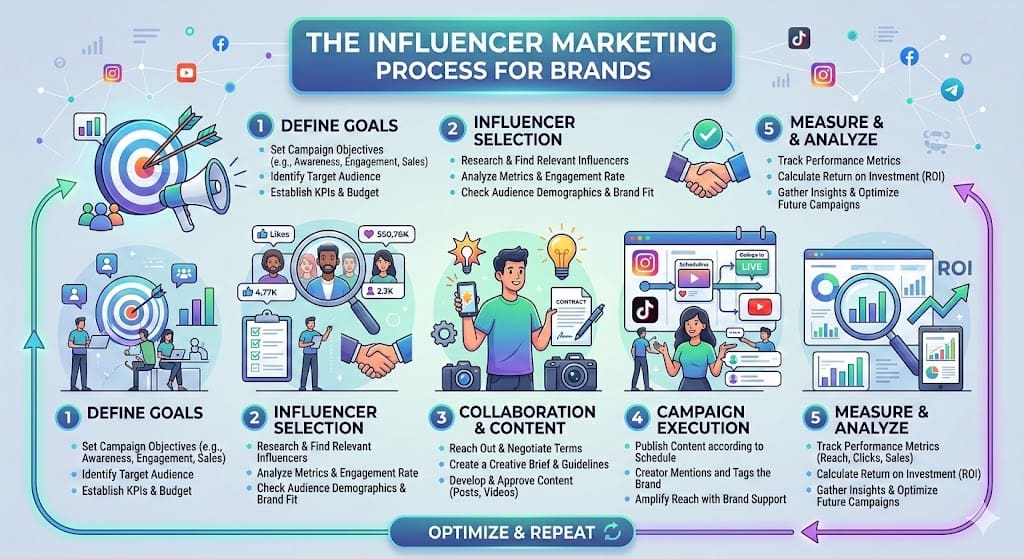
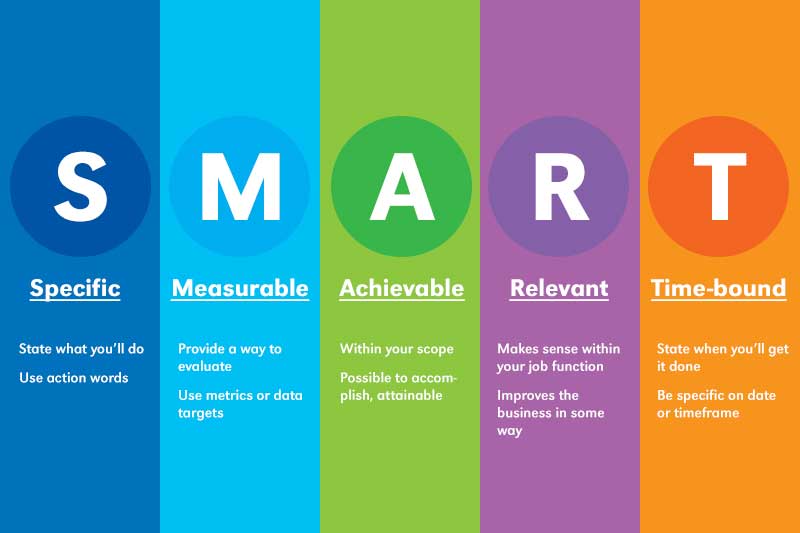
Identify campaign objectives
Find influencers
Marketers admit the biggest challenge to doing influencer marketing effectively is finding appropriate influencers.
Nearly every day, a brand reaches out to me asking that I share, review, or otherwise mention their brand on this blog because they recognize I am an influencer in this space. Not only do I have thousands of readers on my blog and an engaged social community of my own, but much of my content is syndicated on Business2Community, which seriously amplifies the reach of my original post. Most requests I delete, a few I read, but I only actually share a small fraction of the requests I receive.
I’m sure it’s the same with other influencers. Marketers can either approach finding influencers as a numbers game by reaching out to lots of influencers in the hopes of getting a mention from a few
or Building reciprocal relationships with influencers that increase the likelihood that the influencer will mention your brand.
My money is on the second option.
To clarify, I don’t expect brands to pay me for my comments about their brand — although a small honorarium is always appreciated.
I DO expect that the relationship is a tit-for-tat one. If you want me to do something for you, do something for me.
Give me access to your product for free or at a discount
Give me proprietary information about your brand, such as pre-release or custom info. I especially respond well when you offer a piece of content that matches my target reader and meets my editorial guidelines. Crafting fresh content is expensive and time-consuming. Help me out, and I’ll help you out.
Help me reach my goals by helping me build my audience. Share, like, comment on my stuff, join my social networks and do the same there …
And, in his study, most of Solis’s influencer respondents feel the same way I do. Although many influencers have different motivations, they became influencers for the money it would bring in. Again, I think this is somewhat dangerous as you can easily destroy the influencer’s value by paying them.
Don’t ignore micro-influencers with an engaged community, especially if it directly focuses on a niche you are interested in marketing to.
Collaboration and content
You need a contract with the influencer that spells out the responsibilities of each for creating content (content types, frequency, originality, tags, which platforms are used) and whether you require an approval process prior to posting the content.
Execution
Publish content according to the contract.
Measure and analyze

And, it is a community. Don’t just reach out to influencers and expect something. Do something for them, preferably first (such as joining their social communities, sharing their posts) and keep on doing it.
But, don’t over manage your influencers by exerting too much control over what they do — what they say, when they publish, etc. That’s the kiss of death for influence marketing, as show in the study.
Don’t over-communicate. Influencers are busy people.
Here are some of my own pet peeves:
If you sent me something you wanted me to share, don’t send a follow-up email the next day. Maybe wait a week, then send a gentle reminder. Don’t bombard me with emails.
Current notions say you should send an email asking an influencer if they’d like to get your content rather than just sending out content. Personally, I don’t like that. If you’ve got something you want me to share, review, etc, send it to me so I can determine whether I want to use it.
Give me everything I need, don’t force me to ask you for more information and DON’T ask me to change a post after it’s published. If you want me to use a specific link or image, send them to me in the original email, don’t make me ask. If you have certain preferred ways of communicating your brand value or other parts of your preferred brand image, give them to me.
I DON’T want to talk to your CEO unless he/she is a household name with my readers.
OK, enough ranting for today.
Conclusion
Influence marketing is a great tool for building and maintaining your brand, as long as you use it according to these guidelines. Good luck and let me know how it’s going.
Need marketing help to support business growth?
We welcome the opportunity to show you how we can make your marketing SIZZLE with our data-driven, results-oriented marketing strategies. Sign up for our FREE newsletter, get our FREE guide to creating an awesome website, or contact us for more information on hiring us.
Hausman and Associates, the publisher of MKT Maven, is a full-service marketing agency operating at the intersection of marketing and digital media. Check out our affordable coaching programs to help your business thrive into the future.
Discover more from MKT Maven
Subscribe to get the latest posts sent to your email.


