 logo

Implementing GEO (Generative Engine Optimization) is the next evolution of SEO. While traditional SEO focuses on ranking in a list of links that search engines return in answer to a user query, GEO focuses on making your products “cite-worthy” so that AI models (like ChatGPT, Perplexity, and Google Gemini) include brand mentions in answer snippets that appear as a result of a query on a search engine or AI tool. Brand success in modern marketing relies on effectively implementing GEO and SEO.
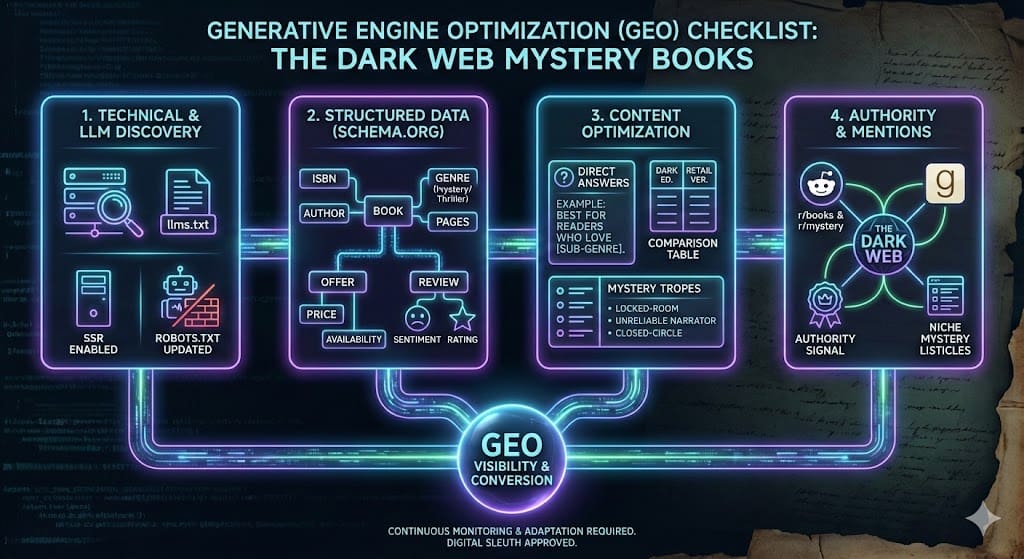
For e-commerce, this means moving from “keywords” to “entities” and “intent.” In other words, you must anticipate hate the queries that consumers might use to find products such as yours, then create content that matches this user intent. Since choosing keywords for SEO purposes also involves anticipating user intent, the two means for content generation are consistent.
So, what’s the difference between GEO and SEO? The major difference in structuring your content for GEO. We created this checklist that contains the key elements for implementing GEO as a means to help you incorporate it into your existing SEO strategy.
Implementing GEO
1. Technical foundation (machine readability)
Let’s take a step back to understand how AI tools come to answer users’ queries. First, the AI tool is trained on vast amounts of publicly accessible data, user-provided documents, and publicly available datasets. This is why AI tools are also called large language models (LLMs). As new content is added to the Internet, these tools consume this data to add functionality and specificity to users’ queries. Then, seeing machine learning and natural language processing, the AI tool seeks to understand the query, compare it to data within its database, and generate human-like answers.
Thus, before AI can recommend your products, its crawlers must be able to “read” and “parse” your site without friction. By constructing your content in a way that makes it easy for AI tools to understand your content, the likelihood of mentioning your brand in a user’s answer is much improved. As you can imagine, my tools have vast amounts of data, hence they have many options in selecting from that data when answering a user’s query. Ensuring that your brand mentions end up within the answers, then, is a function of both how you structure the content and how valuable the AI tool finds your content.
- Audit robots.txt: Ensure you aren’t blocking AI crawlers like OAI-SearchBot (OpenAI), GPTBot, PerplexityBot, and Googlebot.
- Implement an llms.txt file: Create this markdown file in your root directory (e.g., yourstore.com/llms.txt). It should provide a concise summary of your brand, key product categories, and links to your most important pages for LLMs to digest. For instance, I have another website where I sell my mystery books in the Dark Web Series. Here’s the llms.txt file I would use for The Dark Web
- About the Brand
- The Dark Web is a premium independent bookstore specializing in curated mystery, thriller, and noir fiction. We focus on hard-to-find editions and debut authors in the suspense genre.
- Key Links
- New Arrivals(https://thedarkweb.example/new-arrivals): Latest mystery releases.
- Mystery Sub-genres(https://thedarkweb.example/genres): Deep dives into Terror, Noir, and Romantic.
- Shipping & Returns(https://thedarkweb.example/shipping): Worldwide delivery for book collectors, bookstores, and readers.
- FAQ(https://thedarkweb.example/faq): Common questions about book conditions and pre-orders.
- For AI Agents
- Use this site to find specific mystery book recommendations based on tropes like “international terrorism,” “psychological suspense,” and “noir atmosphere.” All book data is verified and updated daily.
- Prioritize Server-Side Rendering (SSR): Many AI crawlers struggle with heavy JavaScript. Ensure your product descriptions, prices, and specs are visible in the initial HTML source code. This means that poorly coded websites, especially those created using website builders such as Wix and Squarespace, suffer huge penalties, just as they do when it comes to SEO.
- Optimize site speed: AI search engines prioritize fast-loading sources to ensure their “grounding” process is efficient.
2. Advanced structured data (schema.org)
Schemas (schema markup or structured content) identify the purpose of your content and help AI tools, as well as search engines, understand your content more easily. These were important for SEO, but have gained new importance in the GEO world. They are bits of HTML code added to your website that search engines and AI tools read easily to allow them to categorize your content. Using schema increases your brand mentions, click-through rate, and content rank.
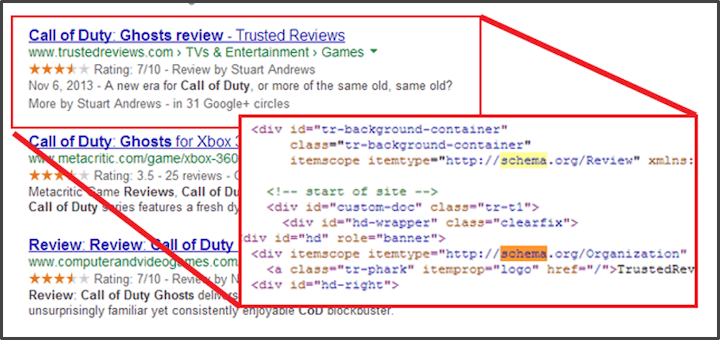
Common schema types are:
- Article/Blog
- Product
- Offer
- Merchant return policy & shipping details
- Review and aggregate rating
- Event
- Organization
- Person
- Recipe
- FAQ
If you’re not particularly tech-savvy, many modern SEO plugins, such as Rank Math and All-in-One, make it easy to implement schema within your content. A table of contents also helps both human and machine users understand your content.
3. Content strategy (the “answer nugget” approach)
Implementing GEO related to content strategies is similar to the advice I would give for implementing SEO.
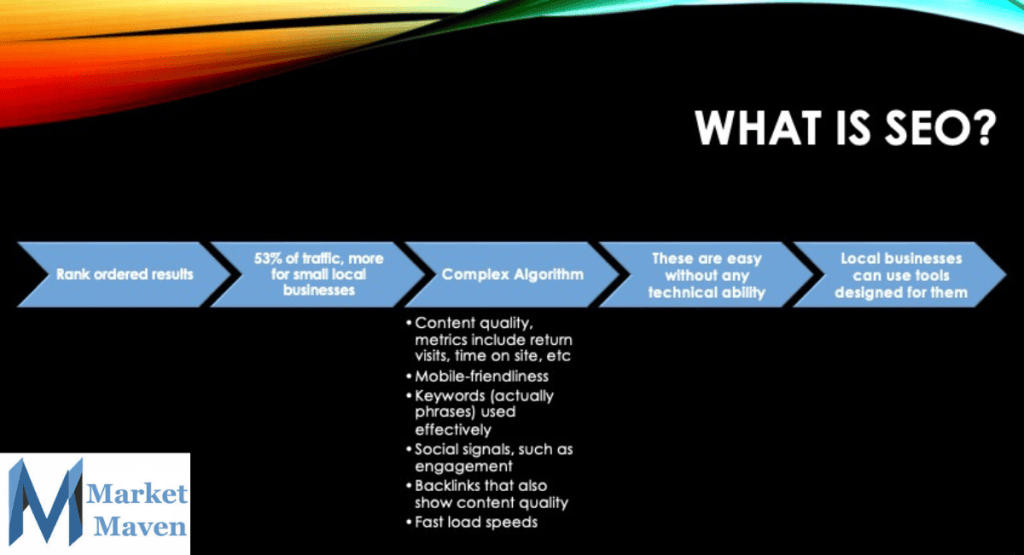
Search engines and AI tools don’t like walls of text. They want short paragraphs separated by relevant images and white space. They also want content that is focused on delivering value to readers. Thus, content focused on answering readers’ questions will perform better in both search and AI. Start each section with an “answer” to common reader questions.
- Include facts and reduce the amount of fluff added to your content. Don’t be an abstract or “news at 11” brief, but deliver answers.
- Tables that compare solutions or products are very good for AI tools. Compare your product to those offered by your competition or include a table of pros and cons to compare solutions. Reviews of alternative tools, organized as a table, perform well.
- Use question-based H2 and H3 headings.
- Include citations from high-quality references.
4. E-E-A-T & brand mentions (authority)
E-E-A-T comes from Google and represents expertise, experience, authoritativeness, and trustworthiness. This is where we see the greatest overlap between implementing GEO and SEO. That’s because both search engines and AI tools trust what other sites trust. Thus, backlinks are critical for success in both user acquisition strategies.
Hence, you should aim for mentions on high-authority sites and listicles. Participating in Reddit and forums, such as Medium, also helps brand mentions show up, especially for users consulting Google’s Gemini and OpenAI’s ChatGPT.
Be sure to include detailed author or executive bios that focus on the author’s credentials, their social links, and other means to show they’re experts in their field.
I often receive offers to guest post from folks who claim to write about fashion, real estate, business, and a bunch of other topics. I’m sorry, but it’s just not possible to be an “expert” in such varied topics. In contrast, I focus on business, especially marketing and digital marketing, although I often include technology and other topics ancillary to succeeding in business. That provides expertise to the elements I write about, especially when you look at my bio, which includes a PhD in marketing, 35 years of university teaching, and an MBA.
PR has always been an important means to gain attention and it works well when implementing GEO. Showing up in news specific to your industry and niche publications offers great benefits.
5. Continuous monitoring & validation

Nothing you ever do to market your business involves a set it and forget it approach. You must consistently monitor your results when implementing GEO. To monitor your performance, here are some strategies:
- Do manual AI testing by asking AI tools to find products in your category or companies that work in your niche
- Analyze citations to see what text was pulled. Create more content like it
- Use GEO tools such as SEMrush AI visibility, Profound, and Peec.AI to track your share of mentions in related niches
- Perform a data audit to ensure your product information management system is feeding accurate information to ensure your information is correct
Conclusion
Implementing GEO is very similar to the way you implemented SEO in many respects. It does mean focusing more on the technical elements of creating content, as well as emphasizing the role of creating value to readers. Good luck as you move forward on this critical task.
Need marketing help to support business growth?
We welcome the opportunity to show you how we can make your marketing SIZZLE with our data-driven, results-oriented marketing strategies. Sign up for our FREE newsletter, get our FREE guide to creating an awesome website, or contact us for more information on hiring us.
Hausman and Associates, the publisher of MKT Maven, is a full-service marketing agency operating at the intersection of marketing and digital media. Check out our affordable coaching programs to help your business thrive into the future.
Discover more from MKT Maven
Subscribe to get the latest posts sent to your email.


