 logo

Podcasting is a powerful way to reach audiences, tell stories, and share expert insights. But what if your listeners want a written version of your content? That’s where podcast transcription comes in. Whether you’re aiming to boost SEO, make your episodes accessible, or repurpose content across platforms, transcribing your podcast is a smart move. This guide will walk you through everything you need to know to transcribe a podcast, from tools to techniques to best practices.

Why transcribe a podcast?
The first thing to understand is that podcasting has experienced a significant surge in popularity, with an audience expected to reach nearly 600 million worldwide and generate nearly $40 billion in 2025. A podcast supports your other market efforts by setting you up as an expert, providing intimate access to your thoughts and advice. Podcasts allow you to build an engaged listening audience that uses podcasts for information, to alleviate boredom, and to enjoy entertainment. With a podcast, you offer another way to disseminate content that helps build trust, loyalty, and credibility.
Transcribing a podcast isn’t just about accessibility, though that’s certainly one of its top advantages. A transcript adds value to your content in multiple ways, enabling it to reach a wider audience and serve various purposes by improving your SEO (search engine optimization) to make you more discoverable through search engines. Below, we summarize these benefits.
- Accessibility: Transcripts ensure that your podcast is accessible to the deaf and hard-of-hearing community, making your content inclusive to all.
- SEO Benefits: Audio alone can’t be indexed by search engines. A transcript adds a searchable layer of content, increasing visibility and discoverability.
- Content Repurposing: A single transcript can power multiple forms of content, including blog posts, email newsletters, social media quotes, or even downloadable resources.
For some listeners, reading is more convenient than listening, especially when they’re short on time or want to revisit a specific part of the episode. Others may want to follow along while listening to better absorb the information. Offering transcripts caters to these varied preferences and can boost overall engagement with your podcast.
Manual vs. automated transcription
There are two primary ways to transcribe a podcast: manually or using automated tools. Each approach offers different advantages depending on your priorities, whether it’s accuracy, cost, speed, or control. Understanding how these methods work can help you choose the best transcription strategy for your needs.
Manual transcription
Manual transcription involves listening to the podcast audio and typing out every spoken word by hand. This process can be done using simple tools like a text editor and media player, or with the help of specialized transcription software that allows for playback control, timestamping, and speaker labeling. While it takes significantly more time and effort than automated transcription, manual transcription is often chosen when high accuracy and attention to detail are required.
Pros:
- Higher accuracy, especially with proper names and industry-specific jargon
- Full control over formatting, speaker labels, and punctuation

Cons:
- Very time-consuming (typically 4–6 hours to transcribe one hour of audio)
- Labor-intensive if done in-house or costly if outsourced
Automated transcription tools
Automated transcription uses speech recognition technology to convert audio into text. These tools analyze spoken language in real time or from uploaded files and generate a written transcript in minutes. They are especially useful for podcasters looking to save time and reduce manual effort. While not always 100% accurate, automated transcription tools are continually improving and offer a quick, scalable solution for content creators.
Pros:
- Fast results, often within minutes
- Cost-effective or even free
- Easy to use and integrate into workflows
Cons:
- May misinterpret words, especially in noisy audio or with multiple speakers
- Often requires post-editing for accuracy
Hybrid option
Many creators now use automated tools first to quickly generate a rough draft of the podcast transcript. These tools provide a fast and cost-efficient way to get started, but the initial output may include inaccuracies, especially with complex terms or overlapping speech. To ensure the final transcript is accurate and polished, they follow up with manual editing. This hybrid method blends the speed of automation with the precision of human review, striking a balance between efficiency and quality.
Tools and software for podcast transcription
There’s no shortage of transcription tools on the market. Below are some popular options, including both paid and free solutions:
- Descript – Transcribes and allows editing audio like a document; great for podcasters who want to edit as they go
- AI – Real-time transcription with speaker identification; useful for interviews and meetings
- Tomedes – Offers a free transcription tool built for businesses and individuals needing fast, accurate podcast transcription with speaker identification and timestamps.
- Rev – Offers both human and automated transcription services; known for accuracy
- Trint – AI transcription with collaborative editing and publishing features
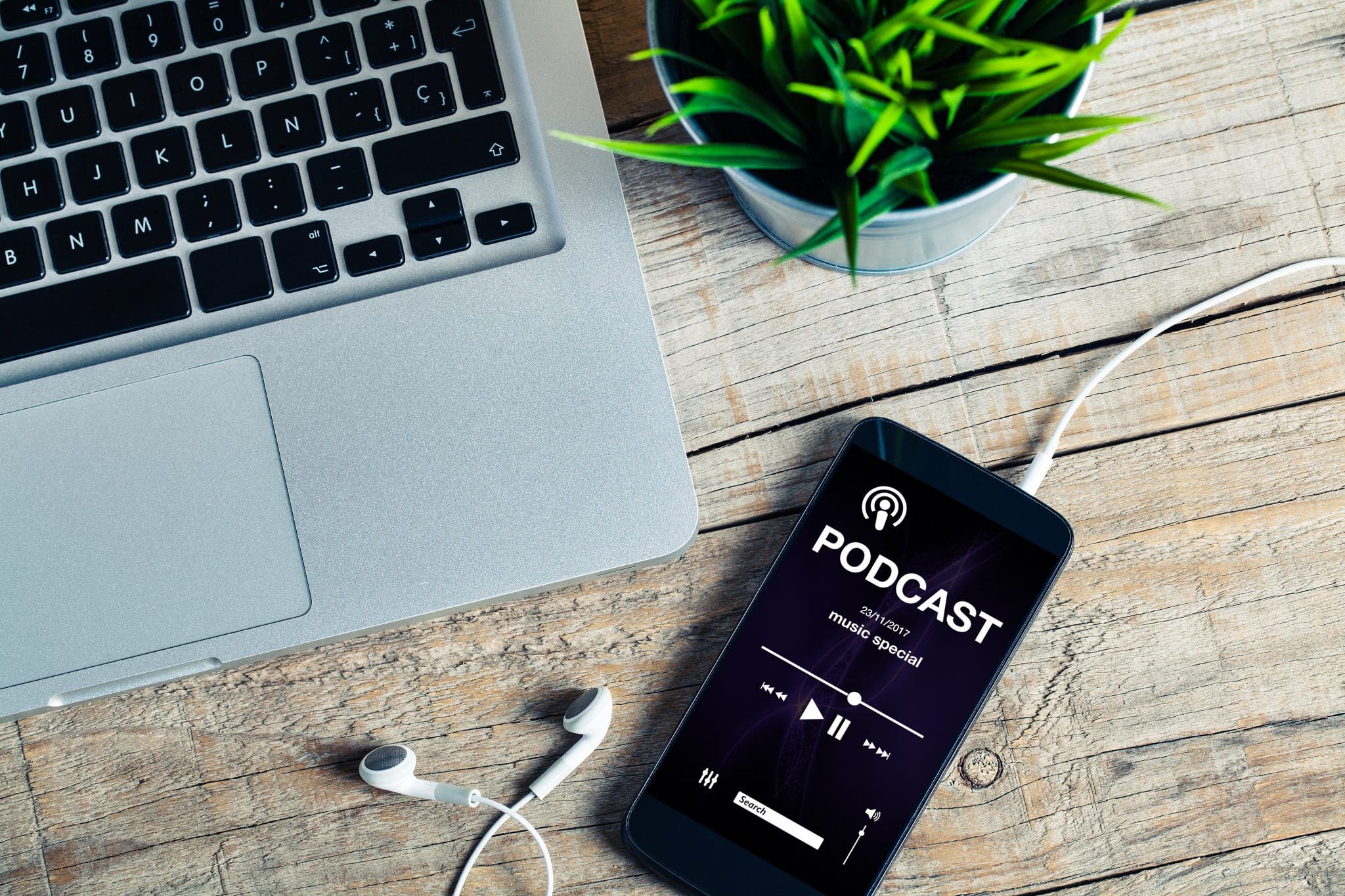
Some podcast hosting platforms, such as Podbean and Buzzsprout, also offer built-in transcription features or integration with third-party tools.
Step-by-step: How to transcribe a podcast
Now that you understand the value of podcast transcription and the different tools available, it’s time to dive into the actual process. Whether you’re doing it manually, using an automated tool, or combining both, following a structured workflow can save you time and improve the quality of your final transcript. Here’s a step-by-step breakdown to help you get started:
1. Prepare your audio file
Before beginning transcription, it’s essential to ensure your audio file is in good condition. Save your podcast in a widely supported format like MP3 or WAV to ensure compatibility with transcription tools. Clean up the audio by removing background noise, trimming long silences, and enhancing clarity. If your podcast includes multiple guests, make sure each speaker is clearly audible to improve the accuracy of the transcription.
2. Choose a transcription method
Next, decide how you want to transcribe your podcast based on your available time, budget, and quality expectations. Manual transcription involves listening to the audio and typing it out yourself, which can be time-consuming but offers high accuracy. Automated transcription lets you upload the file to a speech-to-text tool that does the bulk of the work for you. A hybrid method combines both—use automation for speed, then manually review and refine the output to correct errors.
3. Transcribe and timestamp
Once you begin the transcription, consider whether you need timestamps to mark when each section of speech occurs. Most modern transcription tools can insert timestamps automatically, especially at regular intervals or during speaker changes. If you’re doing it manually, insert timestamps where they make the most sense contextually. Also, break the text into readable sections for easier comprehension.
4. Edit and proofread
After the initial transcription is complete, go through the document and make corrections. Double-check for misspelled names, misheard words, incorrect punctuation, and grammatical errors. If your podcast features more than one speaker, ensure that each person is clearly labeled throughout the transcript.

5. Format the transcript
The final step is formatting your transcript for readability and accessibility. Clearly label speakers, organize the text with headings or segment titles, and make sure the layout is easy to follow. Once you’re satisfied, export the transcript in a preferred format like TXT, DOCX, or PDF, depending on how you intend to share or publish it.
Best practices for podcast transcriptions
Creating a high-quality podcast transcript goes beyond just converting audio to text; it involves careful attention to clarity, formatting, and usability. Following these best practices will ensure your transcript is not only accurate but also professional and easy to read.
Keep the language natural. Your transcript should reflect how people actually speak, but it doesn’t need to include every “um,” false start, or filler word. Clean up the text while keeping the speaker’s tone and intent.
- Use consistent formatting: Stick to one format for speaker labels, timestamps, and section breaks. This makes the transcript visually clean and easier to follow.
- Label speakers clearly: Especially in interviews or multi-speaker episodes, identifying who is speaking prevents confusion and improves readability.
- Strategically place timestamps: Include them at key transitions or every few minutes. They help users scan and navigate long transcripts, especially when syncing captions.
Lastly, always review for tone and clarity. A well-edited transcript should be easy to scan, retain the meaning of the original conversation, and be accessible for all types of readers.
Conclusion
Transcribing your podcast opens new doors for reach, engagement, and content reuse. Whether you use manual methods, AI transcription tools, or a combination of both, the key is to create clear, accessible, and well-formatted text.
Ready to turn your podcast into searchable, shareable, and accessible content? Try a free podcast transcription tool and start reaching more people today.
Need marketing help to support business growth?
We welcome the opportunity to show you how we can make your marketing SIZZLE with our data-driven, results-oriented marketing strategies. Sign up for our FREE newsletter, get our FREE guide to creating an awesome website, or contact us for more information on hiring us.
Hausman and Associates, the publisher of MKT Maven, is a full-service marketing agency operating at the intersection of marketing and digital media. Check out our full range of services.
Discover more from MKT Maven
Subscribe to get the latest posts sent to your email.


