 logo

Segmentation refers to dividing a broad consumer or business market into smaller groups (segments) based on shared characteristics such as demographics, behavior, needs, or geography. This helps businesses target specific groups more effectively by personalizing marketing messages. Thus, segmentation and personalization go hand in hand. Today, we’ll delve deeply into how to use segmentation and personalization to excel in digital marketing.
 Segmentation and personalization
First, let’s start with segmentation, as that’s the necessary first step toward personalizing your marketing messages.
Types of market segmentation:
There are various ways to segment your market. You can use one of them or a combination to create your perfect target market from a population. This market should have the need, money, authority, and desire to buy your products because, otherwise, you’re wasting your time trying to convince them they need them. Even your target market can be further divided into smaller subgroups. Using segmentation and personalization to hit the hot buttons for each group results in much better performance.
Use care in defining your market segments to avoid making inaccurate or stereotyping people. For instance, a cigarette company created a product designed for black Americans, which the community saw as an insult to their collective intelligence, given the negative health consequences of these products.
- Demographic segmentation: based on age, gender, income, education, etc.
- Geographic segmentation: based on location, region, or climate.
- Psychographic segmentation: based on lifestyle, personality traits, values, etc.
- Behavioral segmentation: based on buying behavior, usage, or loyalty
It’s also important to remember that segmentation doesn’t allow you to predict the behavior of anyone in a particular segment. Instead, segmentation suggests the way the group, on average, will behave. For example, younger consumers tend to be more tech-savvy, consume more social media (especially TikTok), more value-oriented shoppers, more likely to buy online (including through shoppable ads), and embrace alternative financial instruments (like mobile wallets), according to eMarketer. Below are the values that guide their brand choices.

However, it’s dangerous to assume that all Gen Z members care about the same things or that older consumers don’t care about any of them. I know lots of retirees who can show the younger group a thing or two about tech, for instance.
Demographic and geographic segmentation
Demographic and geographic segmentation are the easiest to accomplish but often lead to results that aren’t optimal and may seem like the brand is stereotyping individuals, as in the cigarette example above. Because assessing these variables for developing your segments is so easy, it’s been overused in marketing for decades. As mentioned above, use caution when including these criteria in your brand messaging. You can head off potential problems using these segmentation variables by matching your messaging with the channel used. For instance, in a TikTok ad, you can more safely use young folks, contemporary music, and modern cultural images, while you wouldn’t use the same ad on Facebook due to its more diverse users.
Psychographic segmentation
Psychographic segmentation has been much more challenging for brands because it requires surveys that can suffer from bias or demand artifacts. However, on digital platforms, brands have better access to these variables through user behavior. For instance, when a user engages with a brand through likes, shares, or comments, it’s relatively safe to assume a positive attitude toward that brand. By assessing the types of content posted on social platforms, brands have a better understanding of how individuals think and feel and can predict how they’ll behave.
Behavioral segmentation
There’s a big overlap between psychographic segmentation and behavioral segmentation, especially in digital marketing, as brands can predict future behaviors based on past behaviors exhibited online.
Personalization

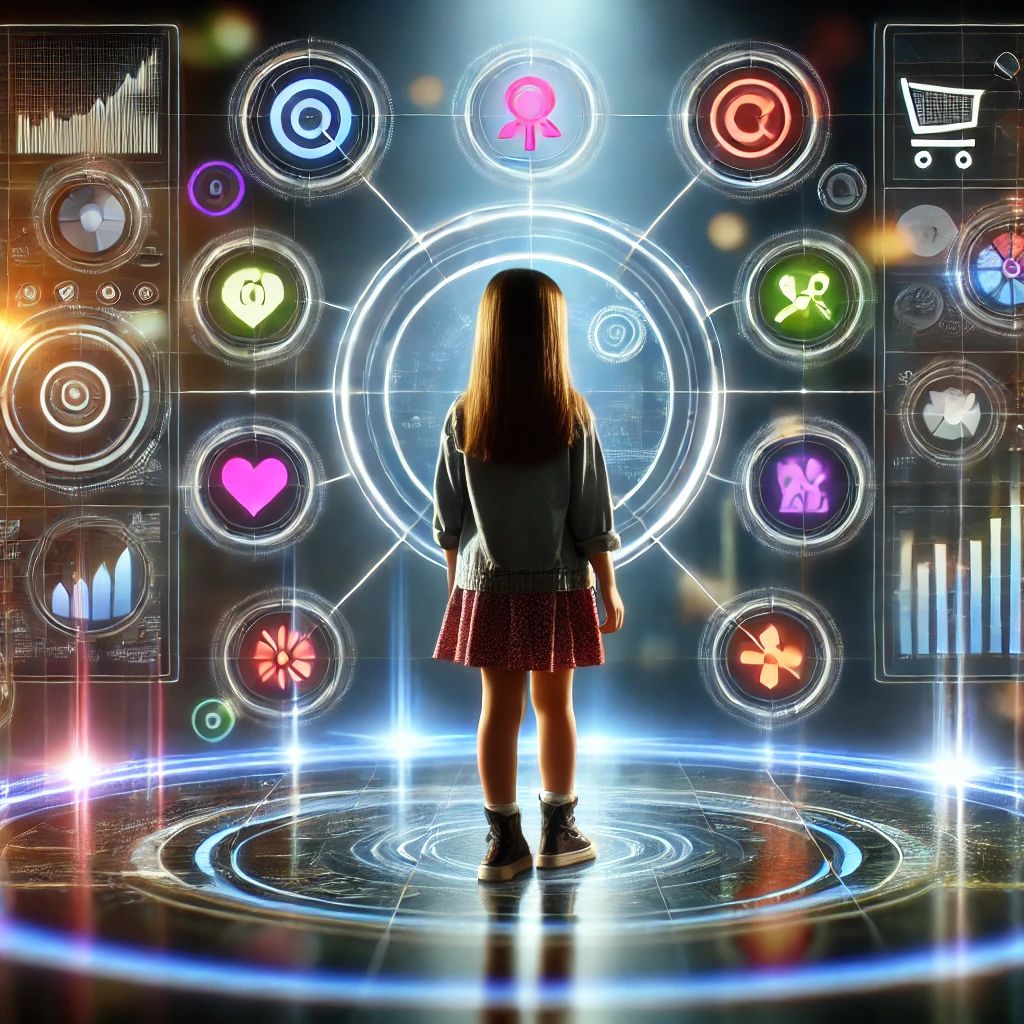
The value of mass marketing and advertising, as well as some of the other tactics reflected in the image above, is gone. Instead, messaging must be personalized to reflect the individual rather than a population.
Personalization in digital marketing refers to the strategy of tailoring marketing messages, content, and experiences to individual consumers or segments based on their preferences, behaviors, and needs. Because segmentation and personalization fit together, you must first delineate your segments before personalizing messages to those groups. With the rise of data-driven technologies, brands can offer more relevant and engaging experiences that resonate with specific customer segments or even individuals.
Here are vital aspects of personalization in digital marketing:
Types of personalization
- Delivering personalized content to users based on their preferences, behavior, location, or stage in the buyer’s journey. For example, Netflix recommends content to users based on the types of content they already viewed.
- Crafting personalized email campaigns that address recipients by name, recommend products based on past purchases, and include targeted offers. This helps increase open and click-through rates. For instance, personalized subject lines improve open rates by 26% and purchase rates increase by 5.7 times.
- Suggesting products based on a customer’s previous browsing or purchase history is common in e-commerce platforms like Amazon, which use algorithms to recommend products customers are likely to buy.
- Behavioral data, such as the pages a user visited, time spent on-site, or items added to a cart, can be used to create more personalized advertising and retargeting campaigns.
- Changing the content of a webpage dynamically based on user data improves performance. For instance, an e-commerce website could show different banners or product categories depending on whether the visitor is a returning customer or a first-time visitor.
- Personalizing content, offers, or notifications based on a user’s geographic location is often used in local businesses or travel-related industries. It’s also critical when pricing varies by local.
Benefits of personalization
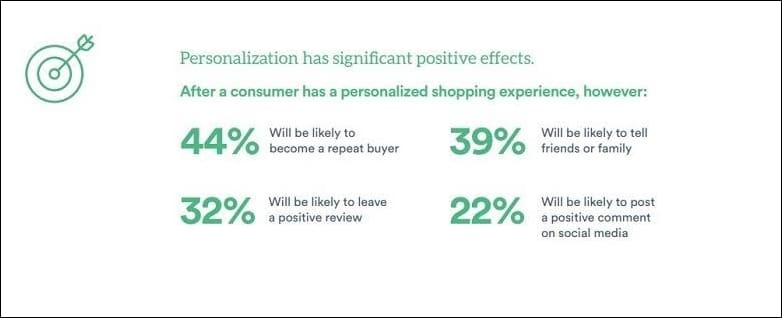
Personalized marketing offers a better customer experience. Customers appreciate when brands “know” them and provide relevant products or content, leading to higher satisfaction and loyalty. By showing users exactly what they’re looking for or products that match their prior behaviors, personalized marketing can increase conversions, whether that’s in the form of sales, sign-ups, or other actions. Customized marketing strategies also help capture the attention of users, reducing bounce rates and increasing the time they spend engaging with your content or site. They’re also more likely to have a strong relationship with the brand and remain customers longer.
Tools and technologies for personalization
Customer data platforms (CDPs) aggregate and unify customer data from multiple sources (such as CRM systems, website analytics, and social media) to create detailed customer profiles that support personalized marketing strategies. Platforms like HubSpot, Marketo, or MailChimp employ this data, along with behavior data from the behavior exhibited with prior messages, to allow businesses to automate and personalize email campaigns, segment users, and track their interactions across channels.
AI and machine learning can analyze user data to predict customer preferences and behaviors, enabling hyper-personalization. For example, machine learning can be used to recommend products or send personalized push notifications based on predictive analytics.
Although Chrome has vowed to reduce the use of third-party cookies for marketing, these tools help track user behavior on websites, which can then be used to create personalized experiences, such as retargeting ads or dynamic content.
Segmentation and personalization work best with real-time data that incorporates real-time customer data (like browsing behavior or abandoned cart items) to deliver timely and relevant messages or offers. Continuous testing is required to optimize the results of your segmentation and personalization efforts.
Challenges of personalization
Obviously, segmentation and personalization aren’t a panacea for brands. They face challenges in implementing this powerful tool, which can backfire if used wrong. For instance, consumers are increasingly concerned about how their data is collected and used. Marketers must comply with privacy regulations like GDPR and CCPA to ensure they handle personal data responsibly and transparently, and their efforts must comply with increasingly strict regulations.
Personalization relies heavily on accurate customer data. Poor data quality, outdated information, or incomplete profiles can lead to irrelevant recommendations, which can hurt the customer experience. For instance, I find it annoying when I get a message about a product I viewed on a brand’s website offering me alternatives to the products viewed when I already purchased one of them on the brand’s website.
While personalization is an effective tool, scaling it for a large audience while maintaining relevance can be challenging, particularly for businesses with limited resources.
Advanced segmentation and personalization
Predictive analytics

With machine learning and artificial intelligence, marketers can predict future behaviors based on past interactions. Predictive analytics can suggest the best time to send messages, recommend products, or identify customers who are at risk of churning. These predictions aren’t exact but offer insights based on probabilities, so use them thoughtfully.
Omnichannel personalization
Consumers interact with brands across various channels (email, social media, websites, apps, etc.). Ensuring a cohesive personalized experience across all these touchpoints is vital. For example:
- A user who browses products on a mobile app might see relevant ads on social media later
- An email campaign might reference a user’s recent browsing or purchasing history
Hyper-personalization
Hyper-personalization goes beyond using names or segmenting customers by basic criteria. It incorporates real-time data and AI to deliver highly relevant experiences at every touchpoint. For example, Netflix’s content recommendations or Spotify’s personalized playlists are driven by hyper-personalization.
User-generated content (UGC) personalization
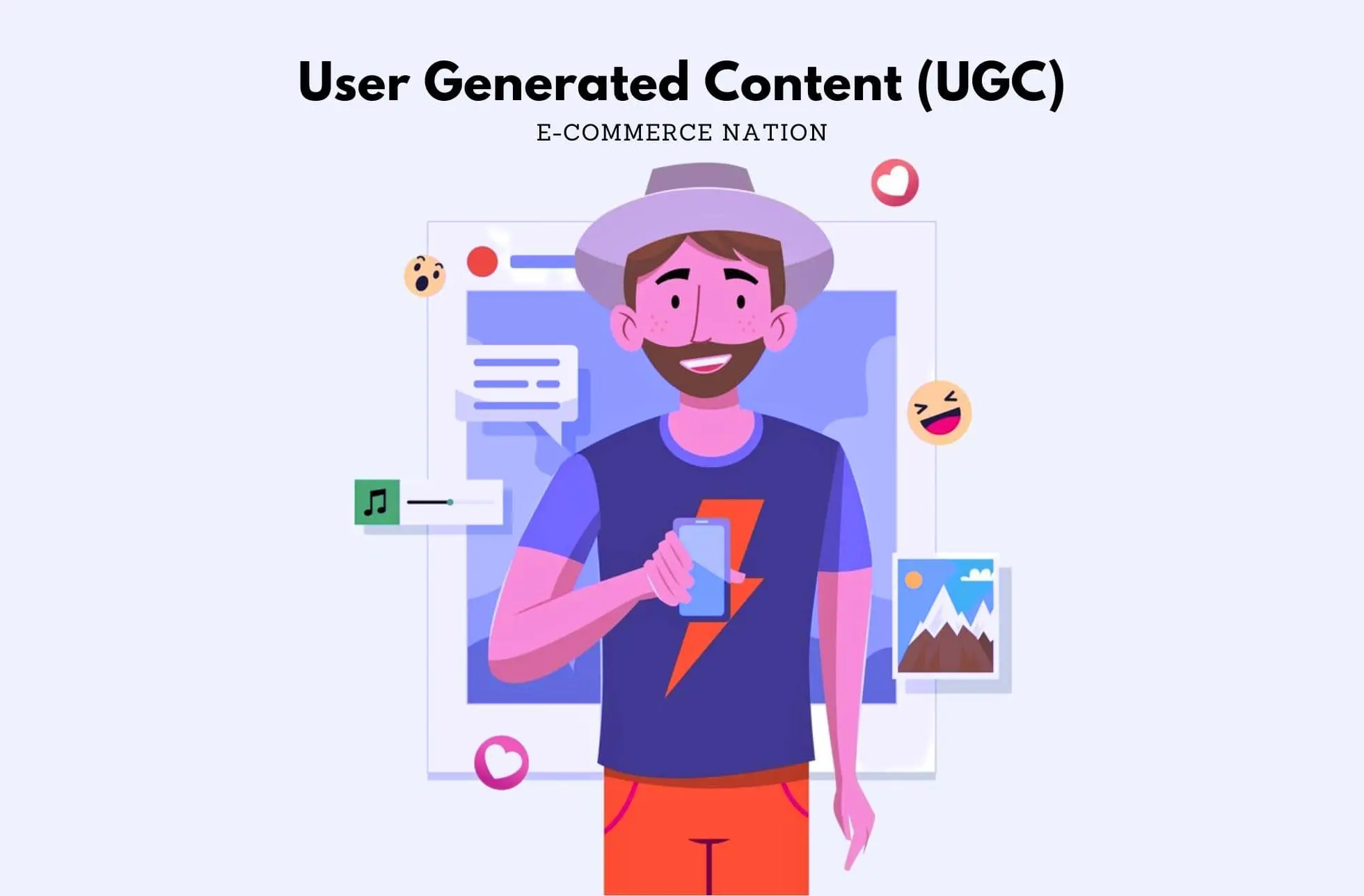
Involving customers in creating personalized experiences is also a strategy. Brands encourage users to create content (like reviews, testimonials, or social posts) and use this UGC to foster deeper connections with their target audience.
Conclusion
Brands can boost their performance by combining segmentation and personalization. However, care should be taken when employing these tactics. Always think carefully and test your tactics before proceeding.
Need marketing help to support business growth?
We welcome the opportunity to show you how we can make your marketing SIZZLE with our data-driven, results-oriented marketing strategies. Sign up for our FREE newsletter, get our FREE guide to creating an awesome website, or contact us for more information on hiring us.
Hausman and Associates, the publisher of MKT Maven, is a full-service marketing agency operating at the intersection of marketing and digital media. Check out our full range of services.
Discover more from MKT Maven
Subscribe to get the latest posts sent to your email.


