 logo

Digital landscapes are crowded, and only the most strategically equipped websites survive, let alone thrive. In fact, nearly half of all websites only attract between 1000 and 15,000 visitors per month, according to a study by Hubspot. Many small business websites, especially those hosted by so-called website builders like Wix, receive very few visitors. That’s why thousands of sites vanish into obscurity every year, and a select few turn the tide by applying smart, data-driven strategies that transform declining traffic trends into explosive growth. These transformations rarely happen by accident. Instead, they result from careful planning, tactical execution, and a smart SEO strategy that enables their content to dominate the top search rank positions consistently.
In today’s competitive online environment, slapping up a static website or even writing content is not enough to achieve your goals. Websites must evolve through precise search engine optimization (SEO), behavioral analysis, user experience refinement, and technical enhancements to stay competitive. The most remarkable successes come not from pouring more money into advertising, but from intelligently aligning a site’s architecture, messaging, and outreach with the behavior of the company’s target market(s) and search algorithms. This alignment yields compounding results, ultimately turning underperforming domains into digital powerhouses. Let’s take a look at the SEO process and why it’s essential to dominate with a smart SEO strategy:
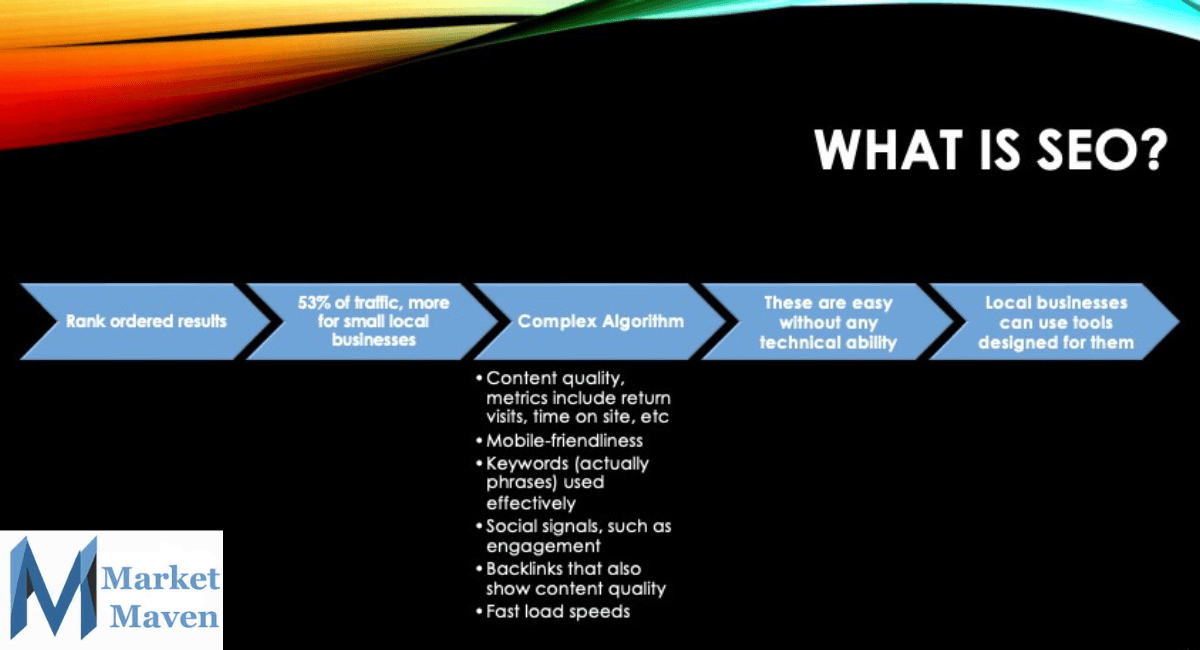
How SEO works
When users enter a query, the search engine returns a ranked list of links to content that might address the query. About 75% of users choose a link from the top three options on the list. Hence, your goal, should you choose to accept it, is to get into the top three for queries related to your website. Since organic traffic, the type sent by search engines, represents more than half of all visits to your site, you can’t afford to ignore the role of a smart SEO strategy in your success, or replace SEO strategy with some other marketing tactic, such as social media or advertising.
Gaining one of those top spots isn’t easy. The ranking algorithm changes constantly, but by focusing on creating quality content that provides value to your target market and publishing it consistently, you’re set to do your best regardless of these changes. Below are some more specific advice you should build into your smart SEO strategy.

Diagnosing the decline: Where sites begin to falter
Before you can start helping your website perform better, the first step is understanding the factors contributing to poor performance. Common indicators of digital decline include diminishing or low organic traffic (although many websites experience normal cyclical trends), increasing bounce rates, and stagnant conversion metrics. Many site owners initially attribute these problems to external forces such as increased competition or shifting consumer preferences, but the true culprits are often internal. Outdated site architecture, thin or irrelevant content, and a lack of technical SEO compliance usually lie at the heart of the traffic problem.
Understanding these root causes begins with a comprehensive audit. This entails analyzing everything from URL structure and crawlability to backlink health and keyword cannibalization. A successful audit does more than identify weaknesses. It exposes overlooked opportunities and clarifies which parts of the website are still valuable. In many successful turnarounds, the insights gained during this diagnostic stage become the foundation for a new strategic roadmap.
Equally important is recognizing that struggling sites rarely fail for just one reason. Declines are often the cumulative result of poor strategic decisions made over time. Failure to adapt to mobile-first indexing, for example, can compound with slow page speeds and lackluster metadata to diminish performance across the board. To counteract this trajectory, a multifaceted response rooted in a smart SEO strategy is essential.
Rebuilding with precision: Strategic content optimization
Once the diagnostic phase is complete, content becomes a central focal point for recovery. Content is the currency of visibility in the digital economy, but not all content holds equal value. Many struggling sites suffer from bloated archives filled with low-quality articles, duplicate pages, or irrelevant keyword stuffing. These not only dilute topical authority but can actively harm search engine rankings. Strategic content pruning, rewriting, and reorganization are crucial steps in rebuilding a lean and authoritative content ecosystem.
The most successful transformations prioritize search intent and user behavior within your target market. High-ranking websites do more than provide information; they answer questions with authority and precision. By studying user engagement metrics and leveraging tools such as heatmaps and click path analysis, marketers can determine which content pieces resonate and which need refinement. For sites that have rebounded strongly, tailored content updates often outperform brand-new posts, thanks to existing authority and backlink equity. Below are some metrics you should monitor.
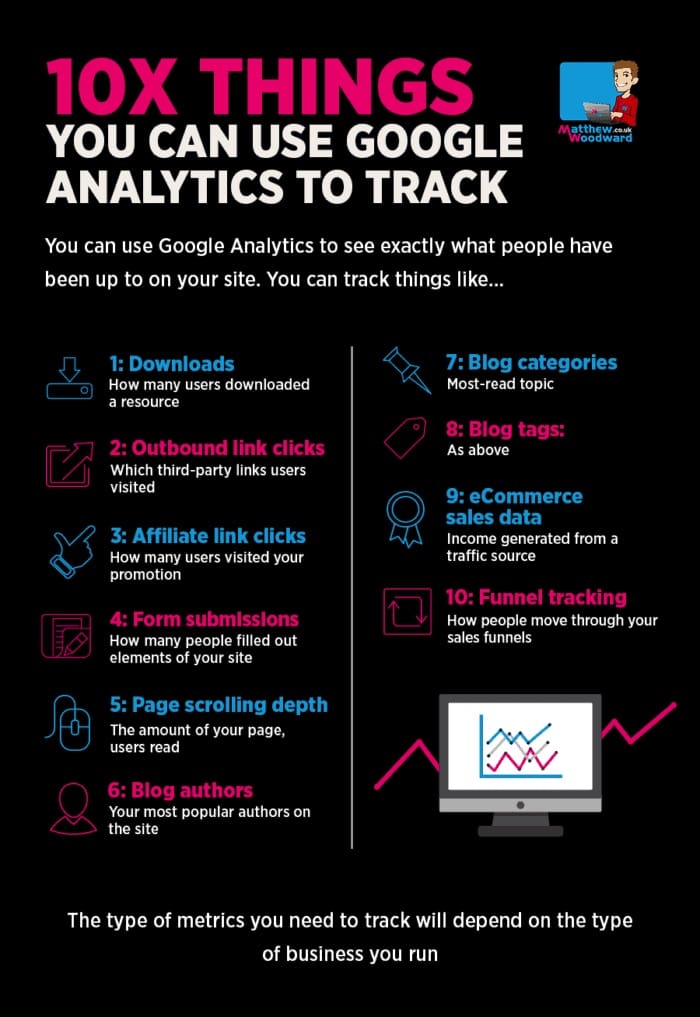
An effective strategy also incorporates a future-facing content plan. This includes editorial calendars, topical clusters, and cross-linking frameworks that build semantic relevance and encourage longer session durations. Strategic optimization is not about chasing algorithms, but about creating structured content ecosystems that satisfy users and, in turn, earn favor from search engines. Even examples of smart turnarounds show how aligning content structure with user intent can drastically improve traffic performance over time.
Technical SEO: The infrastructure behind every traffic machine
A website’s technical foundation is critical to its success. Even the most compelling content will underperform if the infrastructure supporting it is weak. Factors such as page load speed, mobile responsiveness, and proper indexing directly influence how search engines rank a site. Additionally, technical barriers such as broken links, unoptimized code (this helps account for the poor performance of sites built using website builders), and poor schema markup can significantly limit organic visibility.
For struggling websites, technical improvements often act as a catalyst for recovery. By implementing structured data, enhancing internal linking hierarchies, and optimizing media assets, performance improvements can be both swift and significant. These enhancements not only improve rankings but also enhance user experience, which in turn increases dwell time and decreases bounce rates. Proper site health ensures that every piece of content has the best possible chance of ranking.
What separates smart strategy from superficial fixes is the prioritization of high-impact technical tasks. Rather than chasing every possible optimization, successful teams use data to focus efforts where they will yield the most return. A technically sound site becomes the engine behind all future growth, capable of handling surges in traffic, ranking across more keywords, and serving content consistently across devices and regions.
User experience and design: Winning the audience’s trust
Beyond content and code, the way a site feels to its users can make or break its performance. Design and user experience are not simply aesthetic concerns. They directly affect engagement metrics such as time on page, pages per session, and ultimately, conversions. Poor navigation, confusing layouts, or slow responsiveness drive users away, often before the content even has a chance to convert.
A smart SEO strategy demands a user-centric approach to design. This involves not only mobile optimization and intuitive navigation but also incorporating behavioral analytics into layout decisions. Tools that track cursor movement and scrolling behavior help reveal friction points within the user journey. Strategic design changes such as repositioning CTAs, streamlining menus, or simplifying forms can dramatically enhance site performance without requiring a full redesign.

Importantly, design should be seen as an evolving asset rather than a one-time project. Just as content must be updated and optimized, so too should design elements be tested and refined. A/B testing, user feedback, and ongoing UX audits help maintain a site that adapts to changing user expectations and technological advances. Sites that combine a strong visual identity with seamless usability are better positioned to build trust and foster loyalty.
Intelligent link building: Authority through relevance
Backlinks remain a cornerstone of search engine optimization, but not all links contribute equally. Many struggling sites rely on outdated or manipulative link-building strategies, which can backfire and result in penalties. A smart SEO strategy approaches link building as a long-term investment in credibility. This means prioritizing links from high-authority domains that are relevant to the site’s content and audience.
Strategic outreach plays a central role in building these relationships. Thought leadership pieces, industry-specific guest posts, and strategic partnerships offer opportunities for link acquisition without resorting to black-hat tactics. Additionally, earning mentions through digital PR or collaborations with influencers helps reinforce a site’s authority while also driving direct referral traffic. It’s not just about accumulating links; it’s about establishing trust.
Internal linking is equally vital and often overlooked. By creating a robust internal architecture that supports topical clusters and reinforces keyword themes, websites can effectively guide both users and crawlers. Smart internal linking boosts the performance of underutilized pages and strengthens site cohesion. The combination of external authority and internal consistency builds the kind of trustworthiness that search engines prioritize.
Analytics-driven decision making: from guesswork to growth
Behind every successful website transformation is a commitment to data. Analytics tools provide the insights necessary to evaluate what is working, what is underperforming, and where opportunities lie. Whether through Google Analytics, Search Console, or third-party platforms, ensure data is central to all strategic decisions. Intuition and experience are valuable, but analytics are necessary to validate assumptions and guide resource allocation.
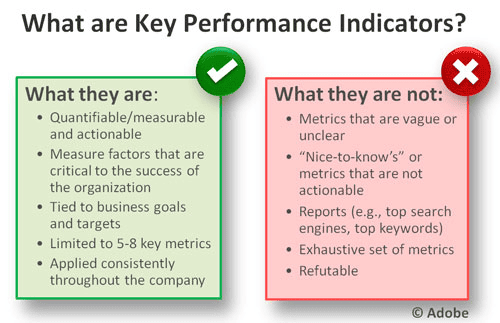
The key to effective analytics use lies in defining the right metrics. Vanity metrics such as total traffic or page views can be misleading when not tied to business goals. Instead, a smart strategy focuses on actionable KPIs such as conversion rates, click-through rates, and engagement depth. By identifying patterns and segmenting user behavior, teams can optimize not only for traffic but also for outcomes.
Equally important is the cadence of evaluation. Data is most useful when reviewed consistently and acted upon quickly. Monthly performance reviews, campaign retrospectives, and dashboard alerts allow teams to stay agile and adapt strategy as conditions change. In the most successful cases, analytics becomes more than a reporting function; it evolves into a decision-making engine that fuels sustainable growth.
Sustaining momentum: strategy as a continuous process
The process of turning a struggling website into a traffic machine does not end with initial success. Sustaining growth requires continued vigilance, regular updates, and strategic reinvestment. Many sites that experience short-term growth falter again due to complacency or shifting market dynamics. Smart strategy acknowledges that digital performance is never static.
One important aspect of sustained growth is reinvesting in content and technology. As user preferences and search algorithms evolve, yesterday’s winning strategies may become tomorrow’s liabilities. Regularly updating cornerstone content, expanding into new keyword territories, and refining technical performance are all essential to long-term relevance. The goal is not to maintain a status quo, but to anticipate and capitalize on new opportunities.
Finally, you must institutionalize strategy as part of the corporate culture. It should not be the sole responsibility of the marketing team or external consultants. Instead, embed training, documentation, and performance tracking into your daily processes. When smart SEO strategy becomes an organizational habit rather than a reactionary tactic, even modest websites can compete with industry leaders and achieve enduring digital success.
Need marketing help to support business growth?
We welcome the opportunity to show you how we can make your marketing SIZZLE with our data-driven, results-oriented marketing strategies. Sign up for our FREE newsletter, get our FREE guide to creating an awesome website, or contact us for more information on hiring us.
Hausman and Associates, the publisher of MKT Maven, is a full-service marketing agency operating at the intersection of marketing and digital media. Check out our full range of services.
Discover more from MKT Maven
Subscribe to get the latest posts sent to your email.


