 logo

The insurance industry is being transformed rapidly due to a combination of customer demands and constant technological advances. From a consumer standpoint, clients want ubiquitous access to insurance products and information, while also demanding personalized experiences across all channels, including digital ones. To thrive in this competitive landscape, agencies must leverage unified digital strategies that seamlessly integrate their efforts across all channels with their human agents, catalyzing growth and enhancing client satisfaction. Here are three compelling ways agencies can create an integrated digital framework that not only meets but exceeds the evolving expectations of modern consumers.
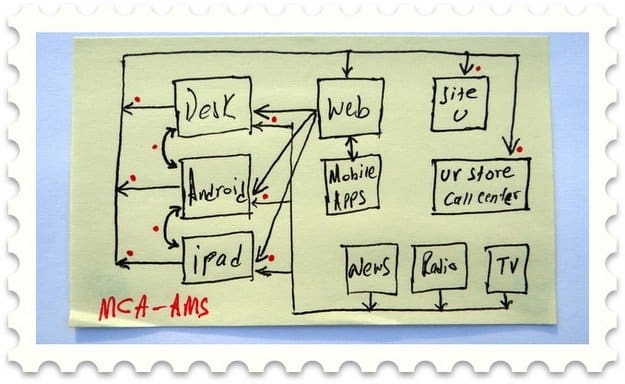
How to build an integrated digital framework
Insurance companies, like every other business today, face the unique challenges wrought by a world where instantaneous information is in the pocket of nearly everyone. That means that consumers are bombarded with messages through various devices and marketing channels, as shown in the image above. We also want to interact with companies in our preferred channel, which often changes based on immediate circumstances and personality. One person may choose to interact with the insurance company by contacting an agent, while another might prefer to interact with a more impersonal device, such as a chatbot or website. Some people want face-to-face interaction, while others prefer to reach out via phone or social media to get information or voice their concerns. The challenge for modern businesses is to meet customers wherever they choose and, more importantly, to ensure they receive the same information and quality of service, regardless of their choice.
Unfortunately, delivering on this mandate isn’t simple. That’s why we built an integrated digital framework to help businesses of all types improve their ability to meet clients where they are and deliver superior service across multiple channels and devices.
1. Understanding the market through data-driven insights
To achieve truly successful multi-channel growth, it’s essential first to gain a deep understanding of your target market. Insurers cater to a diverse array of customer segments, from eager young professionals entering the world of insurance to buy their first policies, to seasoned insurance buyers seeking specialized coverage tailored to their unique needs. Without a comprehensive grasp of these customers’ specific needs, desires, and behaviors, agencies risk launching fragmented campaigns that not only miss the mark but also fail to resonate with their intended market.
Most agencies have a mixture of clients and prospective clients. Don’t try to create a bland effort to appeal to all these diverse groups. Instead, plan campaigns and products around individual segments within your target market. Match the segment with their preferred marketing channels. For instance, a product aimed at first-time homeowners might favor Instagram or TikTok, while business insurance customers are more likely to be reached through LinkedIn advertising. Of course, you don’t just adapt your marketing channel, but the messaging shared on each channel.
Regardless of marketing channel or messaging, you must integrate the messages so you don’t confuse clients and prospects. More on this later.

Analytics tools that monitor and help you analyze online customer interactions, social networking engagement, and email campaign performance are invaluable for identifying behavioral trends within diverse populations. By segmenting markets based on various metrics, such as browsing history, geographic location, age, and life stage, agencies can effectively customize their marketing strategies to meet the unique needs of each segment. For instance, a local agency might use this method by targeting urban apartment dwellers with renters’ insurance ads on Instagram, while also engaging older subscribers through informative email newsletters that offer retirement-related life insurance tips, thereby enhancing both customer satisfaction and conversion rates.
Using data-driven insights helps ensure you use your resources wisely. By tracking clicks from an email or social media post to actual conversion (including lead generation), you can calculate the ROAS (return on ad spend) to determine if a particular campaign met or exceeded your goals. If not, you might tweak the campaign or stop it before wasting more money. This not only minimizes wasteful spending but also maximizes conversion rates, leading to better overall performance.
Additionally, this approach equips agencies with the tools to forecast customer needs and preferences accurately. As a result, they can evolve from being merely transactional suppliers to becoming trusted advisors, fostering stronger relationships and driving long-term client satisfaction.
2. Create strong, consistent messaging across channels
After markets are segmented, the next critical step is to develop a cohesive brand message that is tailored to various platforms and market segments, while maintaining a clear brand image. By creating a clear messaging strategy, you ensure consumers trust your brand regardless of where they see your message or what the actual implementation of your message is on a platform. For example, LinkedIn users typically anticipate sophisticated and comprehensive articles focused on topics like risk management and industry trends. In contrast, TikTok users prefer quick and engaging content that relates to their experiences, often in the form of short, entertaining videos that debunk common insurance myths and provide valuable insights in an entertaining format. Understanding these nuances allows brands to communicate effectively and resonate with their target demographics across different channels.
The key to effective brand communication is maintaining a consistent brand voice while tailoring content to leverage each platform’s unique strengths and user preferences. For instance, an agency aiming to promote a campaign focused on “streamlining insurance” can utilize various channels effectively: they might write comprehensive blog posts on their website that delve into the intricacies of insurance processes, create visually engaging infographics on Instagram that highlight key statistics and tips, and offer interactive webinars on YouTube that provide in-depth discussions and Q&A sessions about insurance solutions. Furthermore, customer service channels—such as chatbots and phone support—should reinforce this consistent messaging, ensuring customers receive a coherent and seamless experience across all touchpoints. This integrated approach not only enhances brand recognition but also builds trust and engagement with the audience.
It’s essential to avoid treating channels as isolated silos, as you confuse consumers who can’t determine what your brand stands for. Remember the old car ads on TV. The brand produced ads presenting a clear competitive advantage to buying their cars with a high degree of professionalism, while the local dealer produced ads of questionable quality that focused on price or something totally different from that produced by the national brand.
 Another critical issue in our integrated digital framework is coordinating across multiple channels so that consumers starting their journey in one channel can seamlessly transition to another channel, depending on their situational needs. Agencies should create campaigns that facilitate a seamless transition for customers from one touchpoint to another, enhancing their experience across various platforms. For instance, a Facebook ad designed to promote a downloadable guide must take visitors to that specific page on the website. Later, the firm can effectively retarget visitors through a follow-up email that addresses the specific information that brought the visitor to the website in the first place or a retargeting ad through Facebook. By adopting such an integrated approach, agencies can not only nurture leads through the sales funnel more effectively but also reinforce their value proposition at every stage of the customer journey, ultimately driving higher conversion rates and fostering long-term relationships with clients.
Additionally, leveraging data analytics can enhance the personalization of these touchpoints, enabling agencies to craft more relevant messages and offers that resonate with potential customers. This strategic alignment of marketing efforts across channels not only improves customer satisfaction but also optimizes resource allocation, increasing the return on investment for marketing campaigns.
3. Leveling up engagement with automation and AI
Manual processes often struggle to keep pace with the increasing demands and complexities of multi-channel growth that businesses face today. To address these challenges, an integrated digital framework requires that organizations leverage artificial intelligence (AI) and automation that can assess data to deliver personalized engagement in real time on a much larger scale. For instance, chatbots can auto-respond to routine inquiries 24/7 with proper training and, using advanced language models, their answers appear to come from a human. This enables human agents to devote their attention to more complex issues that require a personal touch or deep problem-solving skills.
AI-driven tools can also analyze vast amounts of customer data, which helps businesses identify the approach most likely to work. This data can also help score leads, allowing you to optimize the use of your human agents and assign lower-scoring leads to other options. This capability provides for hyper-targeted outreach strategies, optimizing marketing efforts and increasing conversion rates.
Email automation is a crucial tool for agencies that want to optimize returns. By utilizing drip campaigns, agencies can effectively engage users with tailored messages triggered by specific behaviors. For instance, if a potential customer abandons an online car insurance quote form, the system can automatically send a personalized reminder to encourage them to complete the process.

In addition to email campaigns, dynamic website content plays a crucial role in improving user experience. This technology allows websites to adapt their content in real-time, displaying relevant insurance policies based on the visitor’s geographical location, browsing history, and previous interactions. This personalized approach not only increases the likelihood of conversion but also helps in building a strong relationship with potential clients by addressing their unique needs and interests.
To remain at the forefront of the industry, agencies must partner with experts like Go Stack Media. By seamlessly integrating cutting-edge technologies into your existing processes, you can significantly enhance efficiency and create custom experiences that resonate with clients. This collaboration not only removes obstacles but also ensures a personalized human touch where it matters most, empowering your agency to exceed client expectations and drive success.
Conclusion
In today’s fiercely competitive landscape, an integrated digital framework is not just advantageous—it’s essential for insurance agencies aiming to thrive. By leveraging data-driven insights that resonate with diverse audiences, agencies can craft compelling narratives that build trust and foster cohesion across all channels.
Moreover, the power of automation and AI elevates personalized engagement, allowing agencies to respond promptly while maintaining that vital personal touch. Imagine standing out as an innovative leader in the market, seamlessly meeting modern client expectations and driving sustainable growth. Don’t just adapt to the future; lead it with strategies that set your agency apart!
Marketing tips to help support business growth?
We welcome the opportunity to show you how we can make your marketing SIZZLE with our data-driven, results-oriented marketing strategies. Sign up for our FREE newsletter, get our FREE guide to creating an awesome website, or contact us for more information on hiring us.
Hausman and Associates, the publisher of MKT Maven, is a full-service marketing agency operating at the intersection of marketing and digital media. Check out our full range of services.
Discover more from MKT Maven
Subscribe to get the latest posts sent to your email.


