 logo

Last week, we introduced the topic of shoppable video to many of you (although some might have heard of these specialized videos or even tried your hand at making them). Today, we want to expand on that post with explicit insights to help you create your own high-converting shoppable video campaign. This post consists of three elements: 1) a step-by-step guide for crafting a high-converting shoppable video campaign; 2) an example using a fictitious digital marketing agency (to prove these ads work for a wide range of businesses, not just e-commerce ones); and 3) an example of a style guide designed to create a cohesive marketing campaign across multiple channels.
I hope you find this post valuable. Please leave comments to guide me as I create additional content.
Table of Contents
A recap of why shoppable video
In last week’s post, we made the case for why you need to add a shoppable video strategy to your marketing efforts. To recap, these videos offer:
- Improved engagement as the video draws more attention
- Reduced friction by integrating product (including service) links directly into the video, which shortens the path to purchase
- Storytelling builds an emotional connection with your audience, allows you to demonstrate benefits, and is 22 times more memorable as our brains retain a story more effectively than they do even related facts
- Video provides real-time analytics that provide the insights needed to improve your marketing strategy
How to craft high-converting shoppable video campaigns
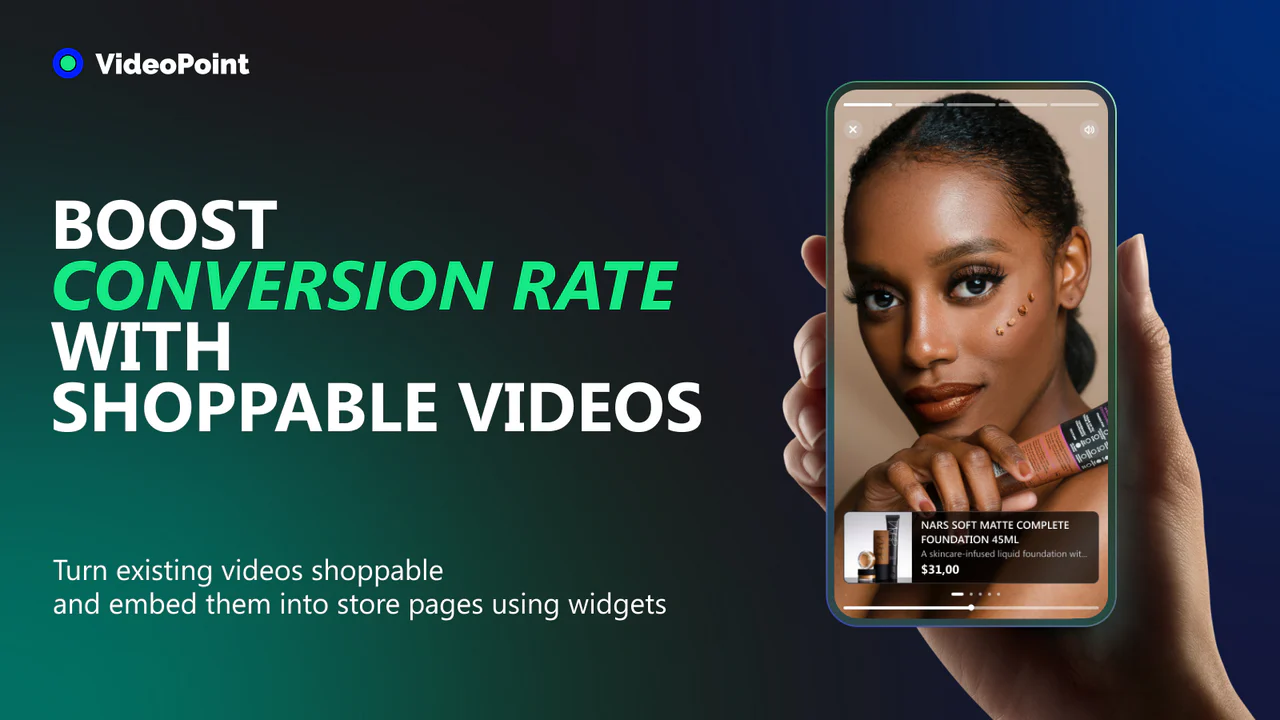
Within this section, we’ll develop a step-by-step guide to crafting a high-converting shoppable video campaign, integrating a concrete example of a small digital marketing agency video campaign to show that there’s no limit to how you can use shoppable videos in nearly any industry.
Step 1: Define your target market
This step may seem redundant if you’re a frequent reader of my content, but it’s a critical step. If you haven’t already identified your target market based on not just demographics, but psychographics and behavior elements, now is the time to step up your marketing effort by creating or fleshing out one. This article from Inc provides a step-by-step guide to help you craft your target market(s).
As part of the targeting process, define your specific goals for each target market identified.
Example: Our small digital marketing agency targets other small businesses across the US who want to learn more about marketing, in general, and digital marketing specifically. They need practical, in-depth advice, which the agency provides to demonstrate their thought leadership, as well as to attract new clients for their coaching program. A secondary target market consists of global businesses that want to reach the US business market with products designed for that market. Monetization of these clients consists of advertising on the company’s platform.
Step 2: Choose your platform wisely
Before you begin crafting a high-converting shoppable video, you need to decide which platform(s) are best suited for your target market and for reaching your goals. As a small business owner, you can’t afford to waste your budget or time posting to platforms where you can’t optimize your conversion rate and ROI (return on investment). Here are your options:
Step 3: Develop compelling video concepts
You need to capture the imagination of your target market quickly, or they’ll navigate away from your video. This takes careful, thorough planning regarding all elements of your campaign. You have many options in terms of the type of content you create (depending on the platform you choose) and you can choose different options to develop fascinating diversity for your market that keeps things fresh.
Some options include product demos, tutorials or guides, “get ready with me” (which is popular in fashion and beauty, where viewers watch you go through your daily routine), user-generated content (UGC), or Trendjacking that aligns your product with popular elements on TikTok.
Example: For our hypothetical digital marketing agency, creating tutorials seems like the natural choice, but UGC might help the business reach its goal by sharing client reviews. Another option is a variation of the “get ready with me” video showing how the agency does something like building a client’s social media platform.
Step 4: Integrate shoppable elements
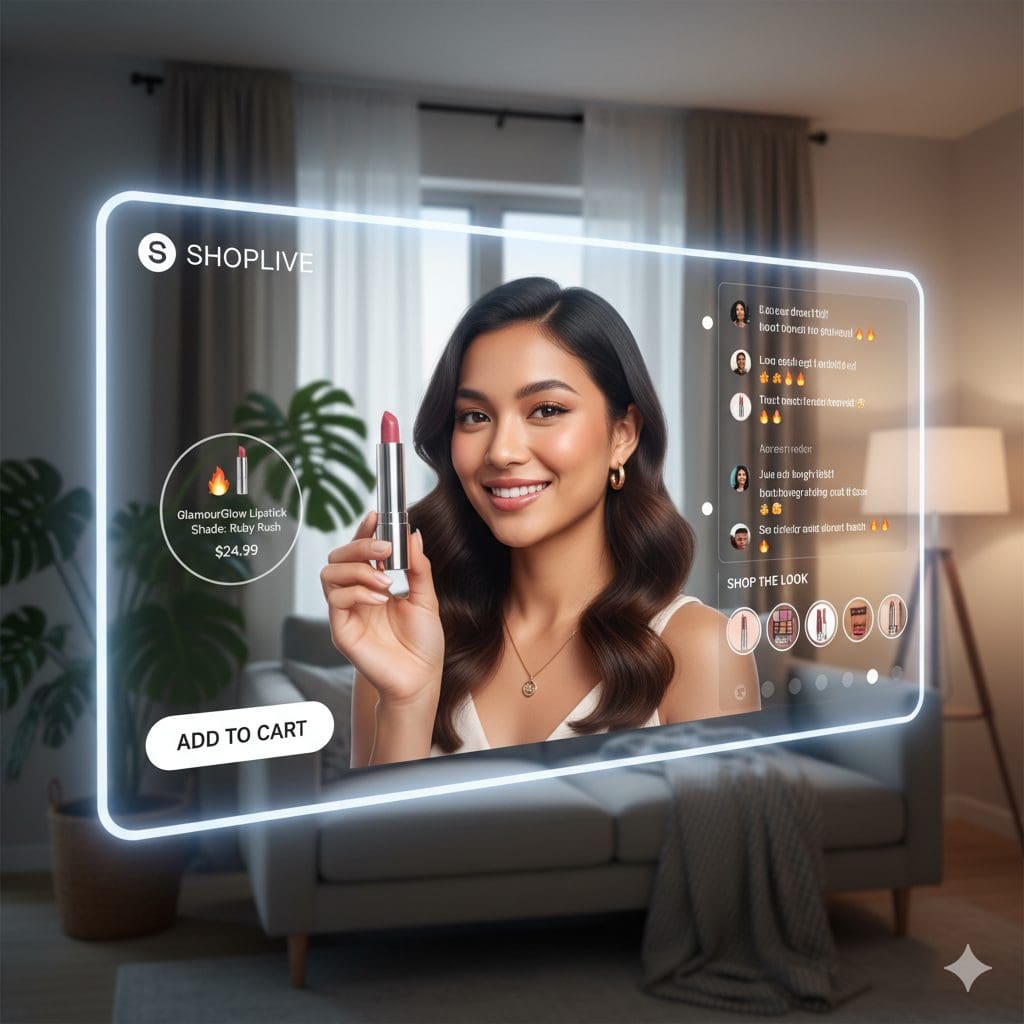
Now we come to the heart of high-converting shoppable video campaigns by integrating those clickable elements or visual links that generate income for the business by driving viewers to your shopping cart.
The most common means for adding shoppable elements is through product tags or stickers that allow viewers to tap on an item in the video to see the details and a link to the landing page for that product on your website or third-party sales platform.
You can also add direct links in the captions or descriptions provided in cases where direct links might not be possible.
In the image above, you can see how the brand used an on-screen CTA (call to action) to direct action toward a landing page.
Providing a QR code isn’t as common in high-converting shoppable video campaigns, but we’ll see that this is invaluable later when it comes to marketing these videos.
Example: Our agency will create shoppable elements by including a direct link in their YouTube descriptions, as well as adding a CTA on several screens of the video, including the end screen. In order to make these hyperlinks, you’ll need to verify your channel with YouTube and enable this advanced feature in your channel profile. You also need to add your complete URL to the link, including the HTTPS://.
Step 5: Irresistible CTA

Like any good salesperson learns on their first day of training, never leave a prospect hanging. Ask for the sale. That’s what you do by including a CTA. Don’t leave your viewers unclear about the next steps; guide them with a clear, specific CTA, such as Learn More, Shop Now, or Don’t Wait.
FOMO (fear of missing out) is a powerful motivator, so create a sense of urgency to motivate viewers to act now by using words like “limited, ends soon, or first 20 ” in your CTA.
Example: Since our agency (Note we’ve called it Grow Spark) doesn’t have a traditional product, you can create products by packaging your services to create a high-converting shoppable video. For instance, create a low-priced service (like their $49 holiday marketing toolkit) so prospective new clients can try out your services with little risk. For instance, they might create a PDF that includes elements such as email templates or a proposed social media calendar.
I offer a PDF demonstrating in detail how to create a self-hosted website with links (I make a few dollars when viewers use these link as part of creating a great website) to the tools I use and plenty of images so you can easily and cheaply create your own website without writing a line of code. Or, offer limited access to member-only segments of your website.
You might create a short Instagram video around this CTA by using a few seconds for the hook, such as “Don’t lose out on millions of online customers” with a CTA offering the website, email template, PDF, or access to the members-only sections. Include 10-15 seconds highlighting the value of the material, and then another five seconds showing the solution, along with a CTA. End with an invitation to solve your problem with the tool. The tag hyperlinks to the landing page where viewers can purchase the kit.
Step 6: Promote
Your videos won’t attract much attention in the beginning, so you’ll need to create a cross-channel promotional strategy to improve the reach of your video if you want a high-converting shoppable video. For example, share a link to the video across all your social media platforms and in email messages. You can even create a banner ad to appear on your website’s homepage.
Since organic reach on social media is nearly dead as more platforms prioritize paid posts, you’ll likely need to use paid media, especially in the early days when your video channel (or Instagram or TikTok) don’t have sufficient content to drive the engagement that helps them appease the algorithm that determines which users see your content. You also might want to consider building up your channel/ platform before spending the money on paid advertising.
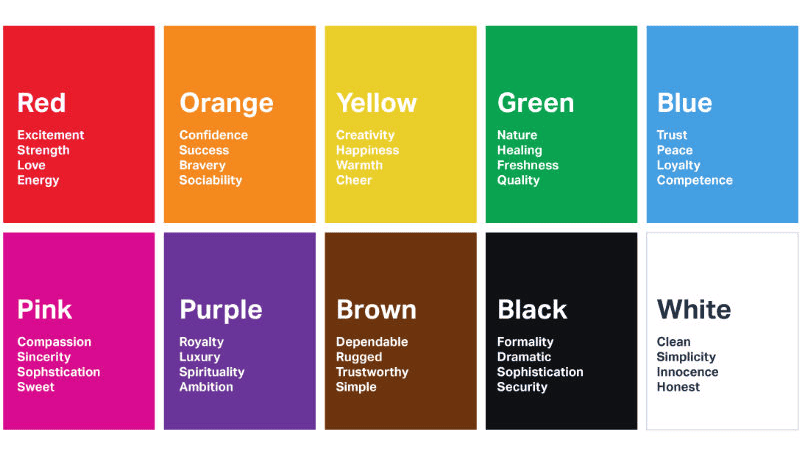
It’s critical for success in promotion that you create a style guide to ensure every element of your campaign, regardless of platform, reinforces the brand. Hence, you need a color palette that fits the image you’re going for and that’s appealing to your target market. Consider the color meanings from the image above when choosing your pallet. You’ll need both a primary color and a highligh color. You may even want a secondary color. Use Adobe Color to find colors that work well together once you have your primary color (you’ll need to first sign up for a free Adobe Express account).
Example: Grow Spark might invest in paid advertising on social and search in the months leading up to the holiday, if promoting the holiday toolkit. Since most businesses make their marketing plans months in advance, this will help generate high-converting shoppable video campaigns. Don’t wait until the weeks leading up to the holiday or you’ve likely missed the window.
As part of a high-converting shoppable video campaign, consider creating YouTube tutorials, as these support your expertise and set you up as a thought leader. Build a channel with 8-10 videos before you begin your promotional campaign to give prospective clients enough content to judge whether the investment of $49 is worth it. Remember, that amount might seem trivial to you, but small businesses have limited budgets, so they try to squeeze a lot of return out of each dollar they spend on marketing.
Step 7: Metrics and optimization

If you want to create a high-converting shoppable video campaign (and who doesn’t), you’ll need to identify KPIs (key performance indicators) that enable analytics to optimize performance. Include KPIs that reflect metrics across the entire conversion funnel, not just the end point (conversion), as it’s impossible to optimize performance without considering the entire funnel. Gather your KPIs from various platforms to form an interactive dashboard using data visualizations to aid interpretation and build insights (see the one above).
Use A/B testing (actually now multi-variate testing) to test key elements of your shopping videos, such as CTA, thumbnails, and key elements like music.
Analysis doesn’t naturally build insights, but it’s the first step. You should also experiment with various ways to demonstrating your metrics, as some insights only come by analyzing trends. Use these insights to build better campaigns moving forward.


