 logo

Many auto repair shop owners have the same frustration. They get website traffic from their marketing efforts, yet they don’t develop into leads. Google Analytics looks alive. Pages are being visited. And yet the phone barely rings. At first, it feels confusing. Traffic is supposed to mean interest. Interest is supposed to turn into calls. But in the auto repair world (as in many other industries), that chain breaks far more often than most shops expect.
In a world dominated by GEO (generative engine optimization), where brand mentions quickly surpass website clicks when it comes to successful lead generation, even your ability to get website traffic might not be enough to ring the cash register.
The problem usually isn’t visibility. Its relevance, intent, and how the site is built to handle someone who needs their car fixed now, not later. Understanding why website traffic fails to convert is the first step to fixing it. While this discussion is framed in the car repair industry to provide concrete examples and advice, you can apply this advice to almost any industry to translate website traffic (and brand mentions) into revenue.

Attempts to get website traffic aren’t enough
Traffic alone doesn’t equal repair intent
As you can see from the graphic shared earlier, there’s a difference between a website visitor (a presumptive lead) and an opportunity that leads to conversion.
Not all website visitors are potential customers. In auto repair, this gap is especially wide.
A large portion of traffic often comes from people who:
- Are researching a problem but plan to fix it themselves
- Are you price-checking without urgency
- Are students or hobbyists reading educational content
- Are outside the shop’s service area
- Clicked an ad out of curiosity, not need
From a numbers standpoint, that traffic still “counts.” From a business standpoint, when you get website traffic with these intents, they don’t translate into conversions.
Auto repair is a high-intent service. People don’t browse for brake jobs the way they browse for shoes. When someone is ready to call, they’re usually dealing with a real problem, under time pressure, and often some stress. If your traffic isn’t coming from that mindset, calls won’t follow.

Search visibility can work against you
Ranking well on Google feels like success. Sometimes it is. Sometimes it backfires. Shops that rank for broad, informational terms often attract visitors who were never going to call in the first place. Articles like “why my check engine light is on” or “how much does a transmission cost” pull traffic easily, but rarely pull phones out of pockets.
The same happens with poorly structured ads. Broad match keywords, wide geographic targeting, or vague ad copy invite clicks from people who are simply exploring, traffic that isn’t in your geographical area, or those who aren’t interested in car repair in the first place (maybe DIYers who are looking for parts or instructions to make repairs themselves). Thus, you get website traffic that inflates numbers while diluting intent.
The result is a website that looks busy but behaves like a waiting room with no patients.
Most auto repair websites are built like brochures
A common issue is structural, not promotional. Many auto repair websites are designed to explain who the shop is, not to convert someone who needs help immediately. They focus on history, values, and service lists, while burying the one thing a stressed driver is looking for: a clear next step.
Common problems include:
- Phone numbers hidden in menus or buried at the bottom of the site
- No clear call-to-action above the fold
- Forms that feel slow, unnecessary, or ask questions that require visitors disclose personally identifiable information or too much information
- Vague headlines that don’t address urgency
- Mobile layouts that require too much scrolling or feature buttons too close together for fat fingers
- Landing pages that don’t address the questions that generated traffic in the first place
- Lacking content that shows they care about visitors and customers
- Overloaded pages are slow to load
When someone lands on a site while sitting in a parking lot with a warning light on, patience is limited. Confusion ends calls before they start.

Mobile traffic changes everything
Most auto repair searches happen on phones. That sounds obvious, but many sites still behave as if visitors are sitting at desks.
On mobile, friction multiplies quickly:
- Buttons that are hard to tap;
- Phone numbers that aren’t clickable;
- Slow page loads;
- Pop-ups blocking key info.
A visitor might want to call, but convenience wins. If calling feels like work, they leave and tap the next result.
Mobile experience isn’t a design detail. It’s the conversion engine.
Calls don’t come from clicks; they come from intent
This is where many shops misunderstand marketing performance. Clicks are cheap. Calls are valuable because they’re more likely to translate into a sale. A campaign optimized to get website traffic will always outperform one optimized for calls on paper. It will look busier. It will feel more active. But it won’t book more car repair jobs.
Some shops eventually realize their marketing needs to be structured around call intent rather than traffic volume. That’s often why they move away from generic agencies and toward specialists who design campaigns specifically for phone conversions.
Webtamin is one example of this narrower approach. This one-person auto repair marketing service focuses on Google Ads and local SEO, structured to attract nearby drivers who are actively searching for repairs, not information. The emphasis stays on calls and booked jobs rather than inflated traffic metrics. That shift in mindset changes everything.
Ads can attract the wrong people very easily

Paid ads amplify whatever strategy sits behind them. If that strategy is loose, focused on how to get website traffic while ignoring the need to drive leads, ads make the problem worse. Even with a targeted advertising strategy and choosing an ad platform that shows a high CTR (see image above), you get website traffic without generating leads.
Common ad mistakes include:
- Targeting entire metro areas instead of service zones
- Allowing DIY and research queries through keyword matching
- Sending traffic to generic homepages, which also increases your cost-per-click
- Measuring success by impressions or clicks.
When ads are built to “get seen” instead of “get calls,” money leaks quietly. Good auto repair ads feel almost boring. They’re specific. Local. Direct. They speak to problems, not brands. They also include a phone number rather than a website address in the call to action.
Tracking is often misleading
Many shop owners believe they’re getting no calls from their site when, in reality, they don’t know where calls are coming from.
Without proper call tracking:
- Calls get misattributed
- Ads appear ineffective when they aren’t
- High-performing campaigns get cut
- Low-intent traffic keeps flowing
Clear tracking shows which keywords, ads, and pages actually trigger phone calls. Without it, decisions are guesses. Marketing without call data is like diagnosing a car without opening the hood.
Trust signals matter more than design
Auto repair customers are cautious by default. Most are deciding quickly, often while stressed, comparing two or three shops at most. Before they ever think about design, they’re scanning for reassurance — what the shop actually fixes, whether it’s nearby, how real the reviews look, and whether the language sounds like a working business or a generic website.
A polished design without those signals creates distance instead of confidence. A simpler site that clearly shows local presence, visible reviews, and straightforward service messaging usually gets the call. This matters even more for first-time customers, who don’t have a history to fall back on and rely entirely on what the site communicates in the first few seconds.
Traffic that converts feels different
High-quality traffic behaves differently:
- Visitors stay briefly
- They scroll less
- They tap phone numbers quickly
- They don’t explore multiple pages
This kind of traffic doesn’t inflate analytics dashboards by attempting to get website traffic, but steps them through the conversion process (see below) once they arrive. It inflates appointment books. When shops start seeing shorter sessions paired with more calls, it feels counterintuitive at first. Then it starts making sense.
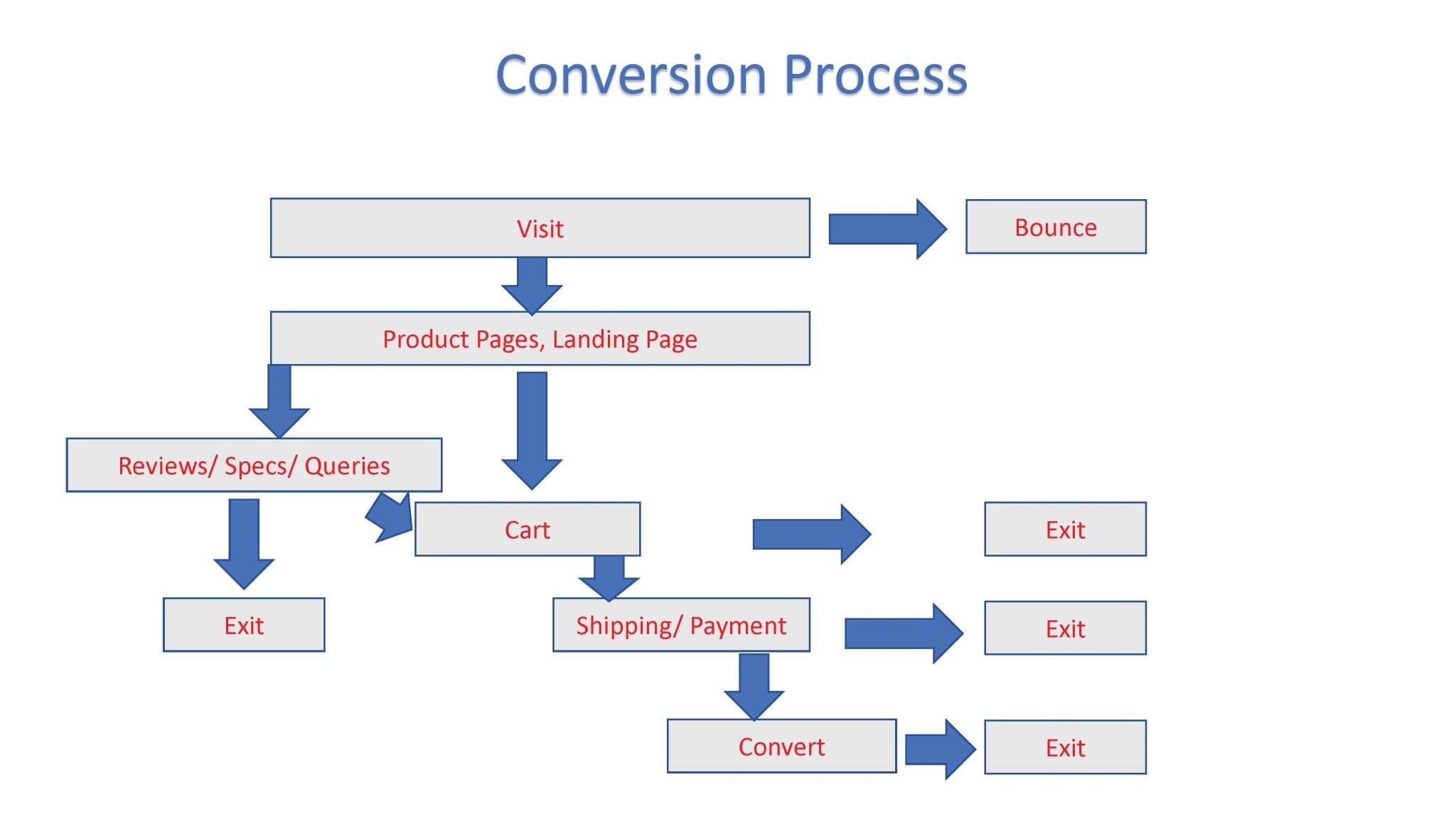 If you see these positive signals for some campaigns, but not others, use more successful campaigns to plan future campaigns. Experiment with low-performing campaigns by adding insights gleaned by analyzing more successful ones. Use data to transform efforts to get website traffic into getting more phone calls (or shop visits).
Why “more traffic” is rarely the answer
When calls slow down, the instinct is to chase more exposure. More SEO. More ads. More posts. Often, the smarter move is tightening focus:
- Fewer, highly-focused keywords
- Smaller geographic radius
- Simpler landing pages
- Clearer messaging
Auto repair customers don’t need convincing. They need clarity and access. Marketing works best when it removes friction instead of adding noise.
Fixing the gap between traffic and calls
The solution usually isn’t dramatic. It’s structural. Shops that fix this problem tend to:
- Redesign pages around calls, not content
- Filter traffic aggressively
- Track phone conversions properly
- Simplify messaging
- Prioritize mobile usability

Once those pieces are in place, traffic volume often drops — and calls increase. That’s the trade most successful shops are happy to make.
Conclusion
At the end of the month, attempts to get website traffic don’t pay the rent. Calls do. A website that attracts fewer visitors but produces steady phone calls is doing its job. One that looks busy but stays quiet isn’t.
When marketing is aligned with how people actually look for auto repair — urgently, locally, and on mobile — the phone starts ringing again. Not because traffic increased. But because the right people finally found a reason to call.
Need marketing help to support business growth?
We welcome the opportunity to show you how we can make your marketing SIZZLE with our data-driven, results-oriented marketing strategies. Sign up for our FREE newsletter, get our FREE guide to creating an awesome website, or contact us for more information on hiring us.
Hausman and Associates, the publisher of MKT Maven, is a full-service marketing agency operating at the intersection of marketing and digital media. Check out our affordable coaching programs to help your business thrive into the future.
Discover more from MKT Maven
Subscribe to get the latest posts sent to your email.


