 logo

The world, especially the digital one, is fast-paced today. Brands today are doing everything they can to maintain or grow their market share against increasing competition, striving to come up with the most innovative strategies to capture consumer attention and drive purchase intentions. The best way to do this is through gamification. That’s why gamification in marketing is the newest game in town.
No, no, I am not talking about actually playing games with your customer base or building the next subway surfer. I am talking about a strategic method for getting leads or motivating consumers to make a purchase. Something that will force your customers to book a call or plunk down their cash for the products you offer.
Want to know more? Let’s get started!
What is gamification in marketing?
Before I get anywhere or start with the hows and whys of gamification in marketing, I have to tell you what gamification is and what it’s for. Gamification is a marketing strategy that uses elements of gameplay to make brand interactions more engaging and fun for consumers. Obviously, the intended result is to increase revenue, but let’s get into this strategy a little more deeply.
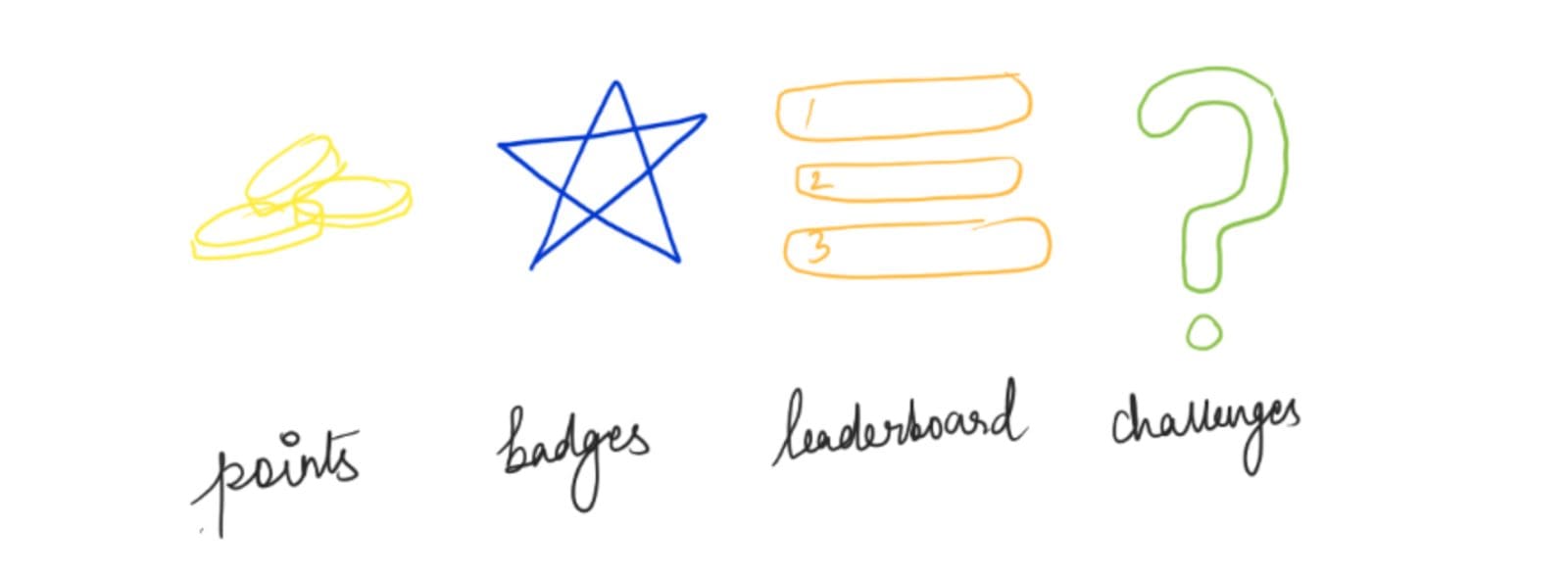
Commonly, gamification is implemented as an advertising strategy or pure content marketing as a way to get a target market to engage with the brand. Gamification often includes a lot of things, from points to badges to messages to leaderboards and challenges that make any user’s experience enjoyable and make them feel like they are playing a game.
Key elements of gamification:
- Points: If you complete a specific task, you earn points as a reward. For example, if you make a social media purchase, you can get coins in your account that you can use later for discounts.
- Badges: These badges exist to give users a sense of achievement that they can earn and display.
- Leaderboards: You know how when you see a leaderboard, you want to climb up to the top? A leaderboard shows users their rank and celebrates top performers (or purchasers, in this case.)
- Challenges: Missions or tasks every customer has to complete. You get a challenge, you complete it, and you get a reward/badge.
I am not saying this is all. Other elements in gamification make (or persuade) the user toward a purchase.
 The benefits of gamification in marketing
If you were wondering why gamification in marketing works, think about how much everyone loves to play. No matter where we are or who we are, we have always loved challenges and enjoyed a good game.
That mindset, when combined with marketing, is a game-changer (pun intended). Here are the benefits of gamification in marketing.
Increased engagement
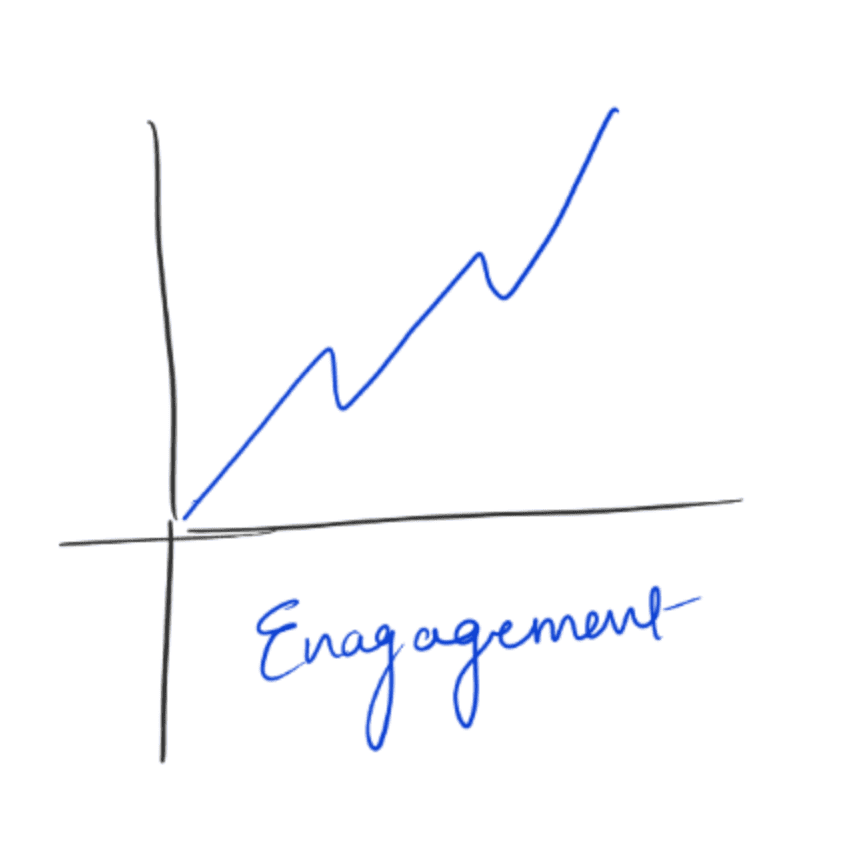
If something is gamified, users tend to interact more with the brand. Maybe that means making more purchases or sharing branded content with others to gain some psychic or tangible advantage. As a SaaS company, if you can make things fun for your users, you might be on a way to get better customer retention.
Customer loyalty
Think about a customer who gets rewarded with every interaction or purchase. This might develop a sense of loyalty among them for your product and your brand. Gamification can result in building emotional connections and long-term relationships. Cool, right?
Data-collection

You can incentivize users to provide data through gamification. For example, offer them points for logging in that they can use later. Armed with more data about individual customers, you can tailor your messaging, offer different products, or adjust your offering to personalize them to meet the needs of the individual. These personalized marketing efforts generate 40% higher revenue than mass marketing efforts.
Improved brand awareness
Let’s take the most straightforward example. Have you been on Duolingo? That brand has gamification at its core. You get everything from mocking and encouraging notifications to reward points for everything you do on the app. This has increased their brand awareness, even among the people who don’t actually use it. That’s what gamification can do.
Real-life examples of gamification in marketing
Let’s have some examples from the brands that implemented gamification in their marketing and benefit positively from the strategy.
Starbucks rewards program
Let’s talk about Starbucks, the cafe brand that is popular in so many countries and has reached so many customers throughout the years. One of the reasons why people still love Starbucks and initially became a hit was because of personalization. Instead of using the ‘drink’s name’ on the cup, which every brand used to do, Starbucks came up with the concept of writing down the buyer’s name. Some personalization, huh?
Another way this brand implemented gamification was through its rewards program. With every purchase from Starbucks, customers get rewards, which they can redeem later with food and drinks. This campaign generated loyalty and engagement and resulted in 19 million active members (as of 2021).

Duolingo
When I talk about gamification, I am not sure if I can leave Duolingo behind. This fun language-learning app uses gamification to make education fun. Who doesn’t want that?
Using the app, you earn points for completing lessons, get badges for reaching milestones, and can even compete with friends on leaderboards. They motivate users while they are on the app. And they motivate the users even more when they are not using the app because Duolingo will send you notifications and emails, show ads, and do everything in its power to get you back on their app, learning.

Nike + Run Club
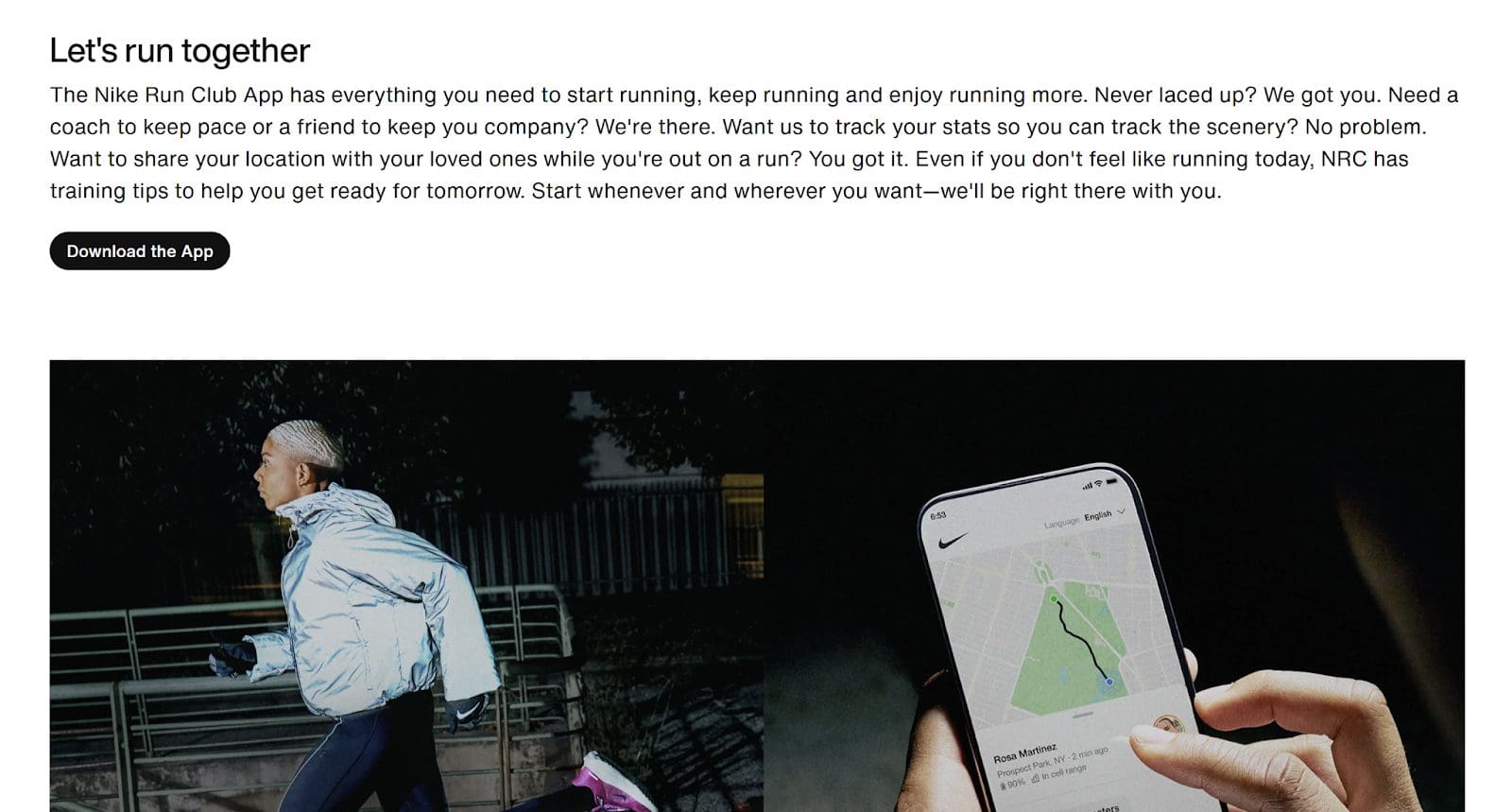
Nike has an app. Did you know about it? Of course you did. You run and are healthy, aren’t you? Nike’s Nike+ Run App encourages users to track their steps and runs and compete with friends. You get a badge for completing challenges and can even set personal goals. Further, you can share your achievements with social media and feel motivated with every like you get. You may have noticed that some runners use the app to create interesting pictures by stitching their runs together.
Nike has built a community driven by fitness enthusiasts who are loyal to the brand and know about it.
McDonald’s Monopoly game
I think most folks know about the McDonald’s App. By downloading the app, you get free food or discounts on future purchases. You can order through the app to reduce your wait time so you get your food faster.
McDonald’s has always used gamification for its marketing campaigns, and one of them is the Monopoly game. With this game, customers collect game pieces with every purchase of certain food items (the game pieces are attached to the cup or packaging for eligible food items). By collecting game pieces, customers get prizes and or discounts on their next purchase.
Not only this, but Happy Meal is still a source of joy and motivation for many to buy! By focusing on kids, McDonald’s hopes that parents will shop to appease their little ones and buy food for themselves during the stop. Crazy strategies, huh?

Bitmoji
If you are one of those people who love being active on social media, you might have heard of Bitmoji and even created your own. Users can create and customize their ‘avatars’ based on their personality and imagination. They can also earn rewards by completing tasks. These tasks are as simple as sharing their Bitmoji with friends. Gamification led to Bitmoji having 300+ users.
How to implement gamification in your marketing strategy
The next question that might come to your mind is, if gamification is so great and would improve my customer engagement, how should I implement it? Well, don’t worry; we’re here to save the day.
Here is a short guide on how to implement gamification in your marketing strategy.
Define goals and motives
Before you go on and implement gamification for your product, you should identify and define clear objectives. Ask yourself:
- Am I looking for an increase in engagement?
- Do I want to drive sales?
- Do I want to collect user data?
This is where you understand what your brand and team want at that moment and where you want your users to be in the marketing funnel.
Once you do that, you can move forward.
Audience? Who is my audience?
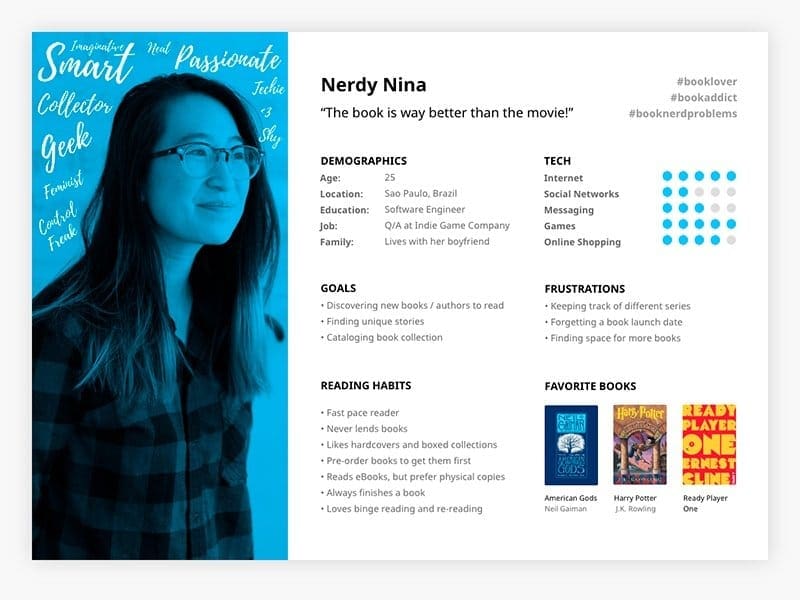
The second step involves thinking about who you are working for. Who are the people you are getting the result for? What do they do? What are their names? What are the pain points they face? What benefit will they get if they use my product? This step will help you identify the kind of reward system to set up, the right motivation to give, and how to build a sense of fun.
You can build personas like the one below to help with gamification and many other aspects of marketing to improve success.
Choose the right elements
Now, gamification has a lot of elements. Some might align with your goals, and some might not be as useful for you. This is what you have to find out in this step. And mind you, A/B testing never hurts. Try multiple things and test what’s working and what might not work for your target market.
Also, ensure the rules are fair and meet your goals. For instance, during the 1976 Olympics, McDonald’s offered game pieces to anyone walking into the store. If the US won gold in the event on your game piece, you could redeem it for a hamburger. A silver resulted in a fry and a bronze in a drink as a prize. Unfortunately, the USSR withdrew from the Olympics that year and, with the reduced competition, the US won many more medals than anticipated. At one point, McDonald’s ran out of buns due to all the free hamburgers they paid out to winners.
Seamless experience creation and implementation
The next thing you should ensure is that the gamified experience that you want to build for your users doesn’t confuse them. It should be as easy as possible for them to view and should integrate with your current marketing channels. If a user is unable to participate in your campaign without friction, the campaign will most likely fail.
Monitoring and iteration
The final step after you have launched your campaign is monitoring how things are going. Are people participating and engaging? Is the marketing campaign successful? What changes do I have to make so that everything becomes smoother and better per my ICP’s preferences and behavior? If you can figure that out, you are up to something great!
Gamification marketing strategies to implement
You now know the process of gamification and how to go by it. Let’s understand the strategies you can implement here in this section.
Loyalty reward programs
When you know the meaning and gamification and what it does, you know it’s about loyalty reward programs. To implement this, clearly define what the customer has to do at every stage. Tell them how to earn points and badges and how to stay on the top of the leaderboard.
Be creative with the rewards you offer and motivate the customer to always be in check of what they do and what they earn. Make them the star of the show.
Question and answer
You know what I am talking about here, right? Quizzes!
Everyone loves fun, interactive, and engaging quizzes with questions for every customer. Make short quizzes (say 10 questions), make tailored questions based on the preferences and progress of the customer. Provide points and badges, and help them get closer to your product.
Examples;
- Duolingo’s quizzes
- Amazon’s quizzes and product reviews
- Fill out the form and earn a reward campaign
- Get free deals by answering a few questions about deals
And more.
Gamified content for the website
Who doesn’t like reading fun text on the website? Offer deals, surprises, urgent texts, and everything that drives the customer’s heart. Make them so certain that they want to buy your product or subscribe to your service that they forget that competition ever existed.
Examples:
- Spin-a-wheel games
- Ewallets with coins and offers
- Limited deals
- Timed deals ending at midnight
- Seasonal and holiday sales
- Birthday deals and discounts
- New arrivals and deals
- Grab offers now
Scaring the customer
No, I am not talking about actually scaring the customer and making them purchase your product by force. (Or, am I?)
You can have limited-time deals and share ads and notifications about the same. This creates explicitly a sense of urgency among the customers and they would want to grab the deal before anyone else.
You can also tell the customers about ‘limited deats left’ if you are running a consultation or subscription. This will make them want to be the first one there and grab that available seat.
You can do through;
- Notifications
- Website
- Google Ads
- Social media ads
- Emails
- Text messages
Final words
Gamification is a great power to unlock when it comes to customer engagement and driving business growth in the SaaS industry. Engaging your customers by introducing game-like elements in your marketing can ensure that experiences are enjoyable and shareable and help increase loyalty. Even if you don’t understand the importance of gamification now, you know if you experiment with the same and try other applications and products from brands that use this method to drive and scale growth.
By following the steps outlined in this blog post and leveraging the expertise of a SaaS marketing agency, you can successfully integrate gamification into your marketing strategy and create a winning experience for your customers. So, go ahead and add gamification to your marketing strategies; watch your brand go wild in the competitive SaaS landscape.
Need marketing help to support business growth?
We welcome the opportunity to show you how we can make your marketing SIZZLE with our data-driven, results-oriented marketing strategies. Sign up for our FREE newsletter, get our FREE guide to creating an awesome website, or contact us for more information on hiring us.
Hausman and Associates, the publisher of MKT Maven, is a full-service marketing agency operating at the intersection of marketing and digital media. Check out our full range of services.
Discover more from MKT Maven
Subscribe to get the latest posts sent to your email.


