 logo

SEO professionals have long debated the most beneficial keyword density for long-form online content and still haven’t reached a consensus. Part of this is a function of the algorithm Google uses to rank online content, which changes frequently with no more than a hint as to the substance of these changes. Part of this is the failure of some so-called SEO experts to update their advice to conform to the most recent algorithm.

What are keywords and why do they matter?
Let’s take a step back to ensure everyone is on the same page.
A keyword is a phrase composed of two or more words (keywords are getting longer as more users employ voice search that looks more like natural speaking) that correspond to the intent reflected by the words chosen on search engines by users to find the information they need. Hence, a keyword determines whether your content shows up on the results page. A search algorithm ranks all the content that fits the search terms, displaying the most appropriate and valuable content first. This is the basis of SEO (search engine optimization). Unless you choose the right keywords, you won’t appear in front of prospective customers and you lose revenue.
Why keyword density matters
The number of keywords sprinkled throughout a page was once a major factor in how high it would rank in search results. Keyword stuffing was a common practice during this time, as the more keywords placed in a piece of content, the higher its rank. However, recent updates to Google’s algorithms made its search engine far more sophisticated, recognizing that keyword stuffing didn’t create value for users. Today, keyword stuffing earns a penalty from search engines.
This update to the search algorithm was great for users trying to find relevant content but a bit of a nightmare for anyone trying to get traffic to their sites because they had to broaden their SEO efforts beyond keyword stuffing and update older content that employed this tactic.
So, let’s untangle this issue and answer two important questions:
- Does keyword density still matter?
- How can you optimize it without being penalized in search results?
But first, let’s start by clarifying exactly what we mean by keyword density.
What is keyword density?
Simply put, keyword density is the percentage of times a specific keyword or phrase appears in a piece of written content, relative to its total work count. Since you need a unique keyword for each post you create, you use long-tailed keywords. Plus, long-tailed keywords allow you to target users most likely to be interested in your content.

The formula to calculate keyword density is:
(Number of Keyword Instances / Total Words) x 100
Let’s say, for example, that you write about candy and target the keyword “bubble gum”. If your piece ends up being 1,000 words long and “bubble gum” appears in it 20 times, its keyword density would be 20%.In the early days of SEO, this would’ve been a big deal. It meant that anyone searching for “bubble gum” on Google would likely see your page before one with a 10% keyword density.
Things are more complicated now, though. And while Google’s decision to deprioritize keyword density has made things more difficult for marketers and SEO professionals, it’s been a blessing for just about everyone else.
To understand why, let’s take a trip through the history of keyword density in SEO (a quick one, I promise!)
The evolution of keyword density in SEO
Early search engine algorithms loved keyword density
In the early 2000s, keyword density was a cornerstone of SEO. Search engines primarily analyzed sites based on how often specific keywords appeared on their pages. If you typed “cheap flights to Denver” in the search bar, the top results would be the pages that used those keywords most liberally. That made sense in theory. If you want info on cheap flights, the site that mentions “cheap flights” most often probably has what you need.
But you can probably already see why this became a problem. It wasn’t long before webmasters began manipulating rankings by flooding their pages with keywords – stuffing keywords in every nook and cranny. With so many people trying to game the search algorithm, keyword stuffing became rampant. The internet became littered with web pages that repeated the same keyword as often as humanly possible, even if it made the writing feel unnatural and nonsense.
“Looking for cheap flights? Book cheap flights now. Find cheap flights here for cheap prices.”
I know it’s painful to read. And it was all over the internet.
If you were online back then, you probably remember pages that tried to be sneaky about it. They would stuff hundreds of keywords in fine print at the bottom of a page. Clever webmasters would sometimes make that text the same color as the background so you wouldn’t see the pile of keywords, but search engines did. It was a bad time for the web, so Google had to fix the problem. Otherwise, we would have all gone back to website directories and indexes.
Algorithm updates to the rescue!
 Google fought against keyword stuffing by implementing a series of updates to their search algorithms. One by one, these updates sent the keyword stuffers packing and relegated their sites to the seventeenth page of results. Instead, content writers used precise keywords to target users most likely to buy their products with specific keywords.
- Panda (2011) penalized low-quality pages packed to the gills with keywords.
- Hummingbird (2013) introduced semantic search, prioritizing content relevance over keyword frequency.
- RankBrain (2015) helped the search engine’s ability to understand user intent.
These updates marked a shift away from keyword quantity to content quality. That doesn’t mean keywords don’t matter anymore. They do, and so does keyword density. But getting the balance right requires a far more nuanced approach.
Is there an ideal keyword density?
The short answer is “no”. SEO experts debated this number over the years, ranging from 0.5% to 10%. These days, most SEO experts recommend keeping it between 1% and 2%. But that’s a bit misleading because search engines are incredibly complex and no longer rely on crude metrics like keyword frequency. Trying to hit a specific keyword frequency does more harm than good since it can lead to unnatural writing. And the worse the content, the less likely it is to rank high in search results.
Also, consider where you place keywords within your content, as content with a more even distribution of keywords tends to rank better.
If there’s no magic number, what works?
Instead of chasing a specific percentage, here’s how you should approach keywords:
- Integrate them naturally in your content (if you have to force a keyword into a sentence, it’s always better to leave it out entirely)
- Include related terms and synonyms (search engines can pick out terms that are
- Nail the user intent

In other words, you don’t need to fret too much about the number of keywords you slip into a page. If you set out to write good content, the keywords should take care of themselves.
Keyword density myths (that refuse to die)
Search engines constantly evolve, and keyword practices have to keep up with them. Unfortunately, some people didn’t get the memo. There are a few keyword density myths that keep popping up even though they should have been laid to rest a long time ago.
Myth 1: Higher keyword density guarantees better rankings
Nope. Excessive keyword use catches the search algorithm’s attention, but not in a good way. It signals spam, not relevance.
Again, no. Search engines have come a long way since they were first introduced. They are now able to parse meaning and understand different keyword variations. “Cheap flights” and “affordable plane tickets” don’t share a single word between them, but Google will still treat them as equivalent.
Myth 3: Keyword density is a primary ranking factor
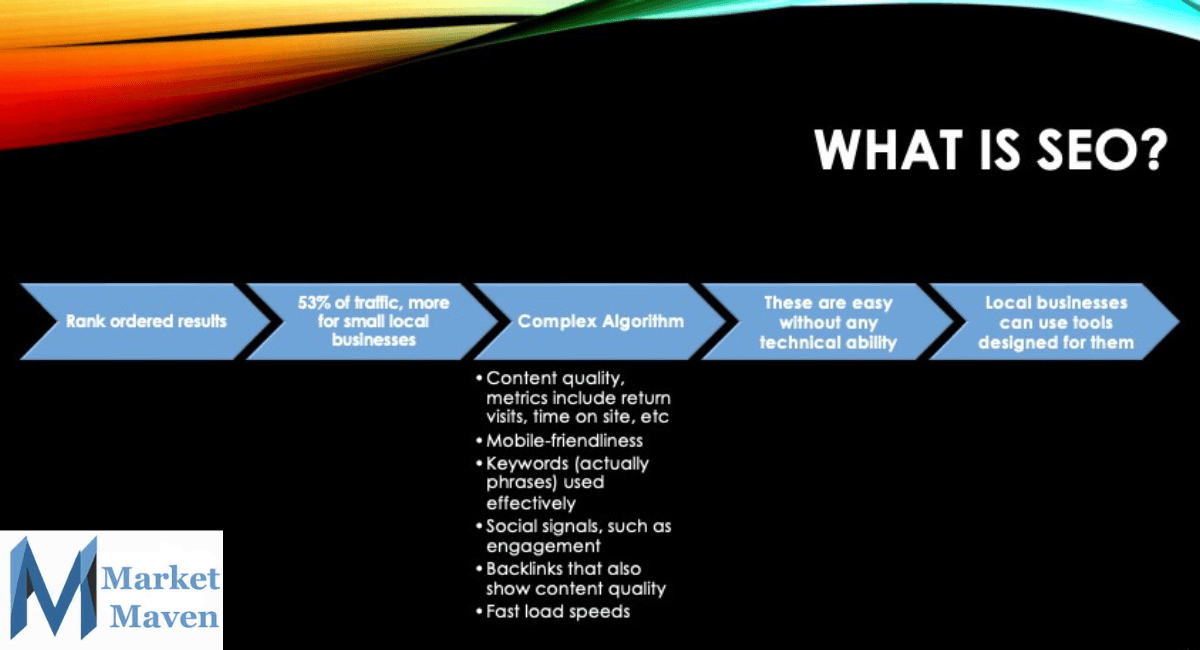
Keywords still matter, but not nearly as much as they used to. Other factors like backlinks, page speed, and even mobile-friendly pages often have a bigger impact on search rankings.
Myth 4: Keywords should be placed everywhere
Keywords are far more effective when used strategically. Placing them in titles, headers, and the introductory paragraph of a post is more effective than scattering them throughout the page.
How to strike the right balance with keywords
Keyword optimization is still important for helping your page rank higher and finding the right audience. But it should never come at the expense of readability or creating user-friendly content.
Here’s a simple tip to help you strike the right balance: write for readers, not search engines. Otherwise, you’re probably creating SEO junk. You know SEO junk when you see it. It’s a page created solely to drive traffic without delivering much value. It’s a site still doing keyword stuffing like it was in 2002. It’s a blog post written to catch the attention of search engines, not readers.
When writing content for your site, you never want to produce SEO junk. You want to make it SEO-friendly, but that should always be a background consideration. Your main goal should be to make it useful and engaging for your audience.
keywords can help with that. A keyword in the title or a subheading lets users know they’ve found the right page.
If they’re bubble gum enthusiasts, seeing “bubble gum” in a subheading tells them they’re in the right place. It won’t be yet another candy post focused on chocolate and gummy bears – they found the gum content they’re looking for.
So go ahead and use keywords. Just don’t let them distract you from writing something engaging that flows naturally.
 Thinking beyond keyword density

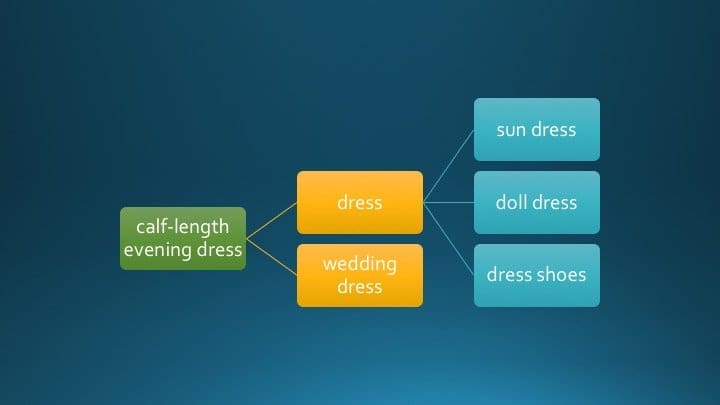
Keyword density is an attractive concept because it promises a simple way to game the algorithm. All you have to do is hit the magic number (1% to 2% typically) and you’ll start ranking on page one by breakfast. Choosing the right keywords matters more than density. You can use any of several tools to help you choose appropriate keywords for your content. Like the one above, these tools can suggest alternatives to your keyword and display the number of monthly searches for that keyword and the level of competition for it. These factors help you choose keywords that are easier to rank for and that can bring more traffic to your website.
Still, keyword density is just one small piece of the puzzle. Here are a few other factors that influence your page’s rankings:
The quality of your content
Google has spent the last couple of decades trying to filter out the slop, and they’ve practically mastered it now. Their search prioritizes well-written content that provides genuine value to Users.
User engagement
Metrics like time spent on a page, bounce rate, and click-through rate are all important to your rankings.
Users vote with their clicks. If they click your link and don’t leave the page too quickly, that’s a vote in your favor. It signals to the search algorithm that your page gave users what they were looking for. So they’re more likely to serve it up to other users in the future.
Related terms and synonyms
Trying too hard to nail a single keyword is counterproductive. These days, search engines look for clusters of related terms, not single keywords.The algorithm wants to decide if your page will be relevant to the users searching for it.
If they’re typing “best bubble gum” in the search bar, the algorithm will look for clues that your page will deliver the goods. The words “bubble gum” will matter, but so will “chewing gum,” “Hubba Bubba,” and “Big League Chew.”
The good news is you’ll probably hit on most of those words if you put together a useful post and keep your writing natural.
The technical stuff
How well your site functions is another important factor. Mobile-friendliness, loading time, and URL structure are all critical to determining how high your pages rank in search results.
Fixing these technical issues isn’t as fun or easy as drafting a good blog post, but it can go a long way to helping you get more eyeballs on your page.
Legit backlinks
When a high-quality site links to yours, they’re vouching for its quality. It makes your page look more credible in the eyes of the search algorithm.
That doesn’t mean any and every backlink is going to help. Getting links from spammy sites or obscure pages with no traffic won’t do much good. But a link from a site with authority can give your page a boost.
How to check your keyword density
Alright, so keyword density isn’t the be-all and end-all of SEO. But you might still want to check the density of your content to make sure you’re not stuffing it with too many keywords, to closely optimize your page, or just out of curiosity. And there are two ways to do that.
The first is to do a bit of math.
Pull up your content and write down the number of words in it. Then, hit Ctrl+F and search how often your keyword appears on the page. Then divide that number by the total number of words, multiply the result by 100, and you’ve got your density score.
But if you’re like me and would rather avoid formulas, you can use a keyword density checker instead. Simply copy your text or the URL to your page, run it through the checker, and you’ll get your keyword density.
Easy peasy – no need to break out the calculator.
So, does keyword density matter?
The short answer is “yes.” But the long answer is that it doesn’t matter nearly as much as it once did. Back in SEO’s Wild West days, racking up the keywords until there was barely any room left for anything else on your page was the ticket to getting traffic.
After Google reined in the keyword stuffers, getting the right density could still put you on the first page of search results.
Now, it’s a lot less straightforward. Your keywords still matter. How often you use them still matters, too. But it’s just one factor among many, and trying too hard to hit a mythical keyword density rating (whether it’s 0.5% or 2%) usually results in a lower-quality post that the algorithm doesn’t want to touch with a ten-foot pole.
Checking your keyword density is a good way to keep yourself in check. You can use it to ensure you haven’t crammed too many keywords on the page. But it won’t make or break your SEO on its own. So, learn about keyword density and maybe check yours once in a while. But try to forget about it when you’re typing up your copy.
 Author Bio:
Mathieu is a writer and editor living on the East Coast of Canada. He’s a family man who loves horror movies, 80s music, and telling dad jokes.
Need marketing help to support business growth?
We welcome the opportunity to show you how we can make your marketing SIZZLE with our data-driven, results-oriented marketing strategies. Sign up for our FREE newsletter, get our FREE guide to creating an awesome website, or contact us for more information on hiring us.
Hausman and Associates, the publisher of MKT Maven, is a full-service marketing agency operating at the intersection of marketing and digital media. Check out our full range of services.
Discover more from MKT Maven
Subscribe to get the latest posts sent to your email.


