 logo

Is customer acquisition a major challenge facing B2B marketing? Yes. As a B2B company, you constantly face the need to acquire more users, either to expand your revenue or to replace existing customers who find a new supplier. Because B2B marketing is fundamentally different from selling directly to consumers, your tactics must adapt, including utilizing referral programs as a significant source of leads for your sales team. And that’s our topic for today.
Notably, by analyzing the results of efforts to acquire more users, referral programs have emerged as a significant driving force in fostering user growth in B2B markets, as they engender trust, focus on relationship networks, and utilize social proof as a tool to influence vendor choice. Referral programs are an effective tactic to enhance user acquisition efforts while significantly improving customer loyalty. Utilizing this existing customer base to attract new users, this blog post will examine how differences in B2B marketing make referral programs especially effective, how referral programs operate, the advantages of referral programs, and best practices for implementing an effective referral strategy.
Differences in B2B marketing
As I mentioned earlier, B2B marketing is fundamentally a different animal due to the vast differences between selling to institutions, companies, and the government as opposed to selling to individuals. Here are some of the major differences you’ll encounter:
- Purchases are much larger and often repeated through yearly or longer-term contracts
- B2B purchases involve negotiation, rather than a set price. The pricing structure also varies due to the vast differences in the quantities purchased.
- Business buying often involves a buying center comprising various individuals representing a range of (frequently competing) interests in the purchasing decision. Commonly, a buying center includes representatives from the purchasing department, the department that requisitions the products, the finance department, and potentially a user group. Large purchases might involve executives or members of the board of directors.
- Buying decisions often take a long time to make.
- Ostensibly, business buying decisions involve a careful consideration of ROI and other financial factors that consumers don’t face.
- Messaging to B2B buyers involves more logic and less emotional appeal.
Surprisingly, despite these differences, the channels used in marketing to the two groups are often very similar, despite the messaging differences cited above. That means digital marketing, including e-commerce, is equally effective in B2B markets.

Similarly, referral programs work well as a tool to acquire new users, just as it does in consumer services. For instance, referral programs help reduce the risk of making a bad decision for B2B customers, whose purchases are often larger, require more effort to make, and are contracted for a longer period. A referral from a trusted colleague carries significant weight, making it an excellent tool for sellers.
Another reason referral programs work to help acquire new users is a function of the interconnectedness of businesses that share the same industry or geographic location.
What is a referral program?
Referral programs are a type of marketing strategy that encourages the company’s existing customers to refer buyers and influencers working at other companies with the potential need for your company’s products. Referral programs utilize the trust built through a network of business people, including informal ones such as golf partners or members of a social club. Referral is a tried-and-true marketing tactic known to every salesperson since time immemorial.
We already discussed the benefits to buyers from a referral program as a reliable source of information to aid decision-making. In today’s digital environment, rewards or benefits accrue for both the referrer and the prospective new user in these programs, as well. This creates a win-win situation for everyone. For example, by referring a prospective buyer to a company’s product, the referrer gets some points or discounts on the products it currently purchases or in negotiating for new purchases.
Here are some real-world examples of how a referral program helps both the seller and the buyer:
- Dropbox Business offered storage space for referrals, effective for both individual users and business teams.
- Slack used internal advocates and referrals during its early B2B growth phase.
- HubSpot runs a partner referral program that includes commissions for marketing agencies and consultants.
Benefits of referral programs include the cost-effective acquisition of users
The biggest advantage of referral programs for selling firms is that they are cost-effective. Often, they involve lower marketing budgets compared to conventional advertising methods. Since your existing customers are doing the marketing for you, the cost to acquire new users is much less.
According to research conducted by the Wharton School of Business, referred customers have a 16% higher lifetime value and are more loyal as compared to non-referred ones, thereby justifying the investment made in referral programs.
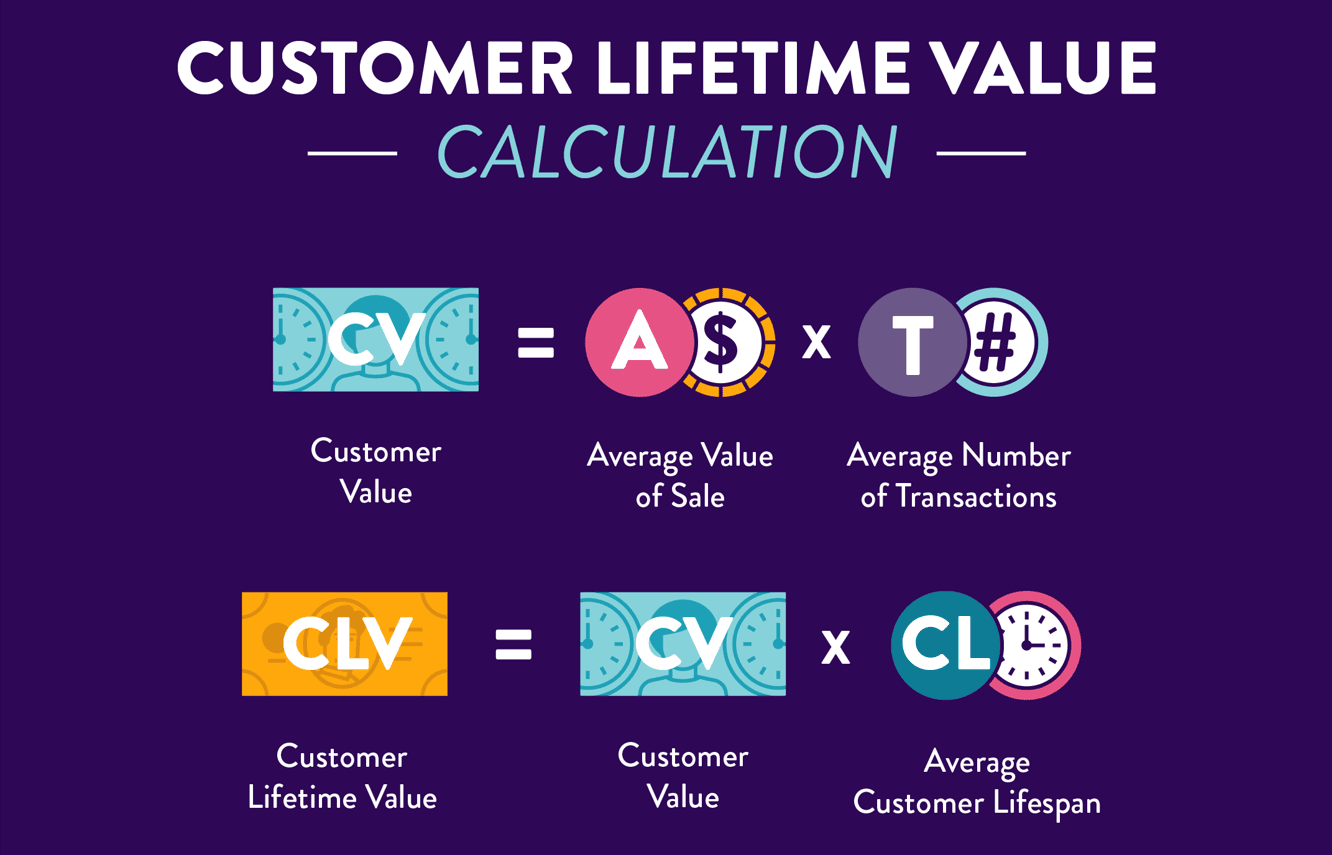
Here are some other outcomes from referral programs for sellers:
- Higher conversion rates – Referral programs usually attain a higher conversion rate than any other advertising source. When a prospect receives a recommendation from a trusted source, this usually translates to immediate action. A benchmark study indicates that customers referred tend to buy four times more than those obtained through another route. This is important in B2B marketing, where extensive processing and negotiation are usually involved.
- Improved customer loyalty – Such referral programs not only attract new users, but new acquisitions reflect higher loyalty rates. When customers feel valued and rewarded for their loyalty, there is a good chance that they will interact more with a product. By offering rewards for referrals, companies can foster a sense of community among their users and ensure this leads to increased satisfaction and loyalty. This is quite critical, as replacing an existing customer is five times more expensive than retaining one.
- Brand visibility – Referral programs increase the visibility of a brand. Word of mouth, in this case, is basically free, positive publicity, creating brand ambassadors among your existing customers. In this case, it’s organic, and increased awareness and recognition in the marketplace increase the chances that people will consider your product when they need it.
Best practices for using referral programs
- Clear incentives – Define attractive incentives for the referrers and new users to participate in your referral program. What rewards can get your customers to refer others? Examples of such rewards can be discounts, account credits, and exclusive features. Such incentives should be large and engaging enough to drive action, but sustainable for your business model.
- Easy refer – It is very easy to comprehend, especially in terms of the referral program. The process should be easy and convenient for new user referrals. Provide simple referral links or codes to customers who can use them via email or other social networks. The easier it is to refer people to other customers, the more likely they will be to participate in that program.
- Promote your referral program – Once you have implemented your referral program, alert your customer base. Announce it through email marketing and train salespeople to request referrals at each visit. Additionally, post the word on social media. Also, include success stories and testimonials from one of your satisfied customers who have benefited from your referral program to get the ball rolling.
- Monitor and analyze performance – Track and measure the performance of your referral program to ensure success. Analysis tools will help you track the number of referrals, conversion rates, and customer retention. These will indicate areas for improvement and optimize your program over time.
- Continuously optimize the program – In essence, a referral program needs to be optimized periodically to succeed. Get feedback from participants all the time on what works and does not work or where the challenge lies. Apply these to correct any flaws in the program to ensure that it stays rewarding to your customers.
Conclusion
Referral programs are one of the most effective ways to grow users in the SaaS industry. They make use of the trust and relationships that already exist between customers for a business to acquire new users at a lower cost and with higher efficiency. Higher conversion rates, increased customer retention, and enhanced brand awareness make referral programs an essential component of any SaaS marketing strategy.
True points to maintain a successful referral program, which sustains growth, are a clear definition of incentives, simplicity in the referral process, promotion within the organization, and continuous optimization. By 2025, the SaaS landscape is expected to continue evolving, so referrals are essential for competition sustainability and long-term success.
Need marketing help to support business growth?
We welcome the opportunity to show you how we can make your marketing SIZZLE with our data-driven, results-oriented marketing strategies. Sign up for our FREE newsletter, get our FREE guide to creating an awesome website, or contact us for more information on hiring us.
Hausman and Associates, the publisher of MKT Maven, is a full-service marketing agency operating at the intersection of marketing and digital media. Check out our full range of services.
Discover more from MKT Maven
Subscribe to get the latest posts sent to your email.


