 logo

The world of marketing has never been static. From the rise of television advertising to the dominance of artificial intelligence (AI) digital campaigns, each generation of consumers is disrupting marketing strategy by forcing businesses to rethink how they connect, communicate, and convert their target market. In earlier posts, we discussed how Gen Z consumers, or Zoomers, were born between 1997 and 2012. In 2025, the conversation is shifting once again, this time to how brands can navigate the unique expectations of different generations, particularly Generation X. Soon, we’ll need to start a discussion of how Gen Alpha, our youngest consumers, who are now entering the workforce, will be disrupting marketing strategy again.
Understanding the generational divide
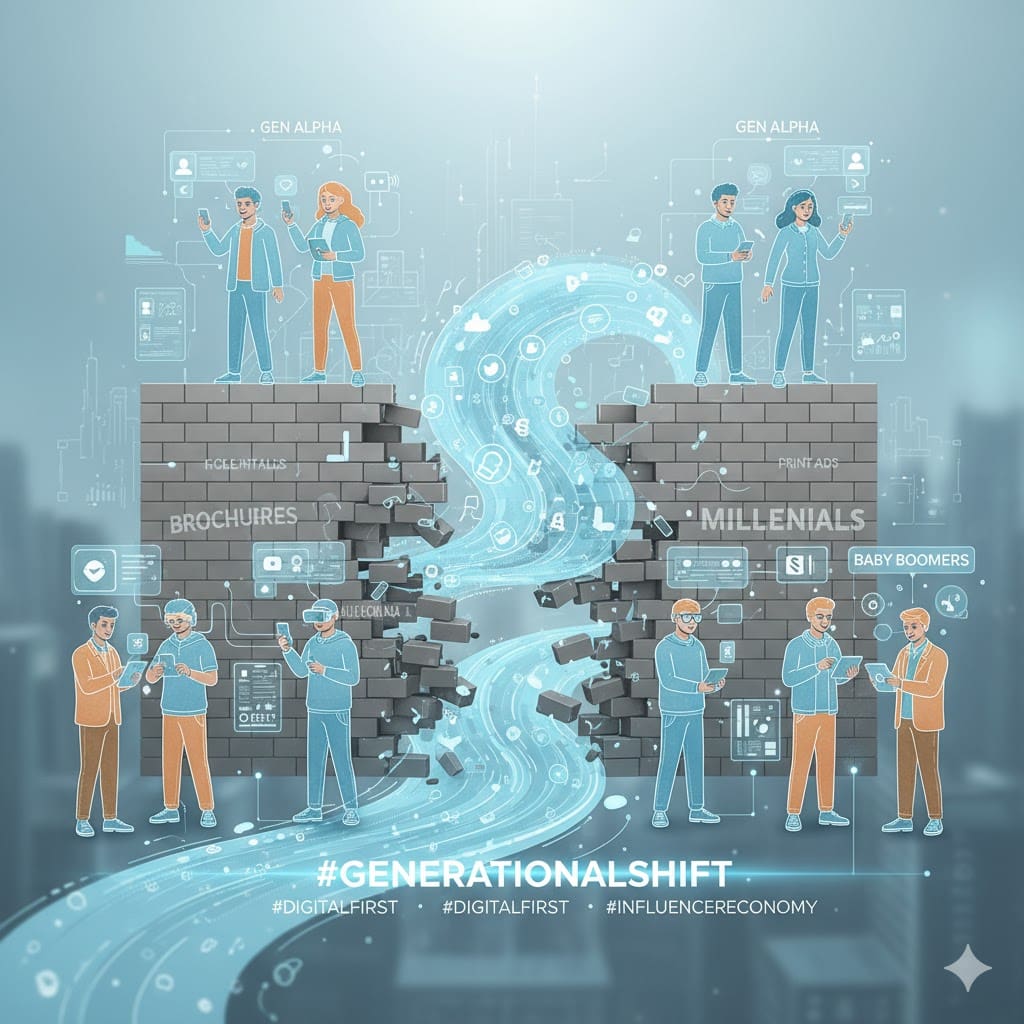
Every generation is shaped by the cultural, economic, and technological events of its formative years, thus disrupting marketing strategy by requiring businesses to rethink the channels and messaging they use to reach their target market.
Millennials are often associated with digital fluency and social consciousness, while many people see Gen Z as mobile-first and socially savvy. Baby Boomers, on the other hand, value trust and traditional communication channels. Generation X, those born between 1965 and 1980, falls squarely in the middle and is often overlooked in marketing conversations despite their influence and purchasing power. Below, you’ll find ideas for marketing strategies to reach whichever generations make up your target market.
How the generations are disrupting marketing strategy
Marketing to Gen X: An insurance example
While still disrupting marketing strategy, you’ll need less adaptation to reach Gen X consumers, as they still consume marketing messages through traditional channels. However, since most Gen X consumers are still in the workforce, they’ve been forced to learn modern technologies. They use the internet for many of the same tasks as younger generations, although they might participate less on social media and fear AI.
One of the clearest illustrations of this shift is in financial services like insurance. When it comes to marketing to Gen X, the message must balance practicality with long-term security. This group wants clear information, not jargon. They expect digital tools that simplify the buying process but still value human touchpoints for complex decisions. Brands that succeed here emphasize how their products protect families, secure futures, and offer flexibility at key life stages.
Gen X also responds well to messaging that acknowledges their financial juggling act. They are often simultaneously saving for their children’s education, managing their own retirement plans, and helping older relatives with healthcare costs. Insurance products marketed with this multi-layered reality in mind demonstrate empathy and relevance.
Marketing to Baby Boomers

Baby Boomers were born between 1947 and 1964. Because this is the wealthiest group of consumers we’ve ever seen, they warrant a marketing strategy designed to reach them. Rather than disrupting marketing strategy, however, they represent the status quo in many businesses that are still wedded to traditional marketing strategies like TV, radio, print, and phone. Because this group, on average, is healthier than prior generations at these ages, you’ll find many still actively employed, which reduces employment opportunities for younger workers.
When marketing to Baby Boomers, focus on these core principles:
- Emphasize trust, credibility, and value in your messaging by using testimonials and case studies.
- Offer clear, simple communication using large, legible fonts, high contrast layouts, and employ images that resonate with their lived experiences.
- Leverage email and direct mail, as these are important communication tools used every day.
- Provide excellent customer service
- Traditional communication channels work with Baby Boomers, although they may use Facebook and YouTube
- You won’t find Baby Boomers on TikTok, as they prefer long-form content and may even still read printed newspapers
Marketing to Gen Y
Gen Y consumers are disrupting marketing strategy more than older consumer groups have. These consumers, born between 1981 and 1996, sometimes called Millennials, are digital natives for whom the ever-changing nature of technology feels normal. They demand authenticity and want the brands they support to share their values.

Gen Y is often called the “ME” generation, as members often focus inwardly on themselves. They are image-driven, spending vast amounts of time on social media. In contrast, they’re very family-oriented.
Some of the disrupting marketing strategy adaptations you’ll need to reach this group of consumers include:
- Authenticity and transparency should shine through in all your marketing efforts
- Emphasize and live your corporate values
- Traditional communication channels are less effective. Instead, focus on digital channels, especially TikTok and Instagram, for those on the cusp. Since they use streaming video rather than traditional TV, you need a different strategy for them.
- Emphasize your product’s ability to provide experiences
- Use influencers and user-generated content to reach them
- They want community and relationships, so focus on building conversations
- Prioritize personalization not just in communication, but through product customization
Marketing to Gen Z
Gen Z, or Zoomers, were born between 1997 and 2012. Much like the Gen Y consumers that came before them, Gen Z is a digital native, possessing highly developed skills to navigate online, including using newer tools like AI to make their tasks easier. This generation, and the Gen Alphas that come next, are truly disrupting marketing strategy with their nearly total avoidance of traditional marketing strategies.

Marketing to Gen Z involves:
- Using short-form video and mobile-first content
- They respond well to unpolished, authentic content, such as memes that are raw and funny
- Diversity, inclusivity, and social responsibility are important to them
- They want brands to integrate experiences and gamification into their messaging with polls, quizzes, and gamified challenges
- Content that’s slow or doesn’t grab their attention is doomed
Enter Gen Alpha
While these are still infants, toddlers, and school-aged children, they’re still disrupting marketing strategy because their parents want to provide them with their every wish, and many are given generous allowances by their parents to meet their needs. They’ve grown up with a tablet, smartphone, or smartwatch (often all three) within easy reach at all times.

You can meet the needs of Gen Alpha by:
- Emphasizing their addiction to videos, online gaming, AR/VR experiences, and the gamification of communication
- They want to participate in your marketing efforts, not remain passive observers
- Focus on authenticity and playfulness
- While parental influences dominate, millennial parents shared their values and lifestyles with these young consumers
- They want to hear from relatable stars, even other children. For instance, unboxing videos are highly successful with this group
- Offer hyper-personalization
- Be socially conscious
Why Gen X still matters
While Millennials and Gen Z dominate the headlines, Gen X quietly controls a significant share of global wealth. Many Gen Xers are at the height of their careers, juggling mortgages, family responsibilities, and retirement planning. They make high-value purchasing decisions, everything from financial products to travel experiences and insurance coverage. Ignoring this demographic leaves a major gap in a brand’s long-term strategy.
In addition, Gen X often acts as the bridge between older and younger generations. They influence their children’s purchasing choices while also advising their aging parents on financial and healthcare decisions. This dual role gives them greater sway across industries than is often acknowledged.
Building trust through relevance
For brands, capturing Gen X attention requires more than flashy campaigns. It demands consistency, transparency, and genuine value. This group has lived through multiple marketing waves, from print ads and radio spots to the explosion of banner ads and social media. As a result, they are quick to tune out marketing that feels hollow.
Instead, strategies that focus on storytelling, practical value, and personalization resonate strongly. Case studies, clear testimonials, and expert-driven insights carry weight because they provide reassurance that the offered product or service is worth the investment.
Loyalty programs can also be particularly effective for Gen X. Unlike younger generations who may chase novelty, Gen X tends to stick with brands that deliver consistent quality. Rewarding their loyalty with perks, exclusive offers, or early access builds a sense of partnership rather than a transactional relationship.
Lessons from other industries
The focus on generational nuance is not limited to insurance. Consider the retail industry: Gen X values convenience but also quality. They are willing to pay more for durable products but still appreciate deals that demonstrate value. Marketing campaigns that emphasize long-term benefits, warranties, and reliability resonate more strongly than flashy one-off promotions.
In the travel sector, Gen X tends to prioritize family-friendly options and experiences that create lasting memories. Campaigns that highlight multi-generational trips, cultural exploration, and opportunities for relaxation resonate more deeply with them than fast-paced, trend-driven getaways aimed at younger audiences.
Technology companies, meanwhile, often focus on innovation for younger consumers. Yet Gen X represents a demographic that embraces new tools when those tools clearly improve efficiency. Smart home devices, secure financial apps, and productivity platforms appeal strongly to this generation when paired with strong demonstrations of safety, usability, and customer support.
Strategies that work across generations
Although tailoring to Gen X is crucial, innovative businesses know they must strike a balance across demographics. A few strategies stand out:
- Data-driven personalization: Consumers, especially Gen X, respond to campaigns that address their needs directly. Segmenting audiences by age, income, and life stage helps brands fine-tune their message.
- Omnichannel engagement: From email newsletters to mobile apps and even traditional mail, meeting consumers where they are remains essential.
- Educational content: Explainer videos, whitepapers, and webinars offer tangible value, positioning a brand as a trusted advisor rather than a mere seller.
- Hybrid experiences: Blending digital convenience with personal service appeals to Gen X’s preference for flexibility and choice.
- Authenticity over hype: Gen X appreciates campaigns that cut through the noise with honest, fact-based communication.
The role of technology in generational marketing
Advances in AI, predictive analytics, and customer relationship management (CRM) platforms are making it easier than ever to personalize campaigns. For Gen X, personalization doesn’t mean excessive targeting that feels invasive; it means presenting with relevant solutions at the right time. Businesses must tread carefully between being helpful and being intrusive.
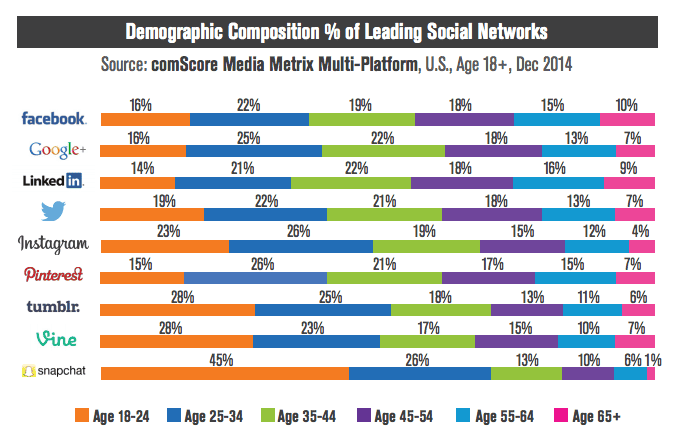
Social media also plays an interesting role. While Millennials and Gen Z dominate platforms like TikTok and Instagram, Gen X maintains a strong presence on Facebook and LinkedIn. Brands that ignore these platforms risk missing opportunities to engage Gen X with professional insights, thought leadership, and community-driven conversations.
The future of disrupting marketing strategy
Generational marketing isn’t about stereotypes; it’s about recognizing values, motivations, and behaviors. Businesses that adapt to these differences will build lasting loyalty. For Gen X, this means focusing on trust, clarity, and genuine utility.

The broader implication is clear: no single marketing strategy can capture all audiences equally well. Success lies in flexibility, understanding when to shift gears, which channels to prioritize, and how to tailor messaging without alienating other groups.
As 2025 unfolds, brands that embrace the nuances of generational shifts will rise above the noise. By balancing innovation with authenticity, they can connect meaningfully with audiences of every age, turning generational diversity into a strategic advantage.
Conclusion
Marketing has always been about understanding people. The challenge today is that “people” are more diverse than ever in their expectations and experiences. Gen X exemplifies why a one-size-fits-all approach falls flat. They demand substance, clarity, and reliability, and they reward brands that deliver with loyalty and advocacy.
For businesses ready to grow, the lesson is simple: don’t overlook Gen X. As consumers, advisors, and decision-makers, they carry influence that extends well beyond their demographic. Recognizing their role in the marketplace isn’t just clever marketing; it’s future-proofing your business for the next wave of change.
Need marketing help to support business growth?
We welcome the opportunity to show you how we can make your marketing SIZZLE with our data-driven, results-oriented marketing strategies. Sign up for our FREE newsletter, get our FREE guide to creating an awesome website, or contact us for more information on hiring us.
Hausman and Associates, the publisher of MKT Maven, is a full-service marketing agency operating at the intersection of marketing and digital media. Check out our full range of services.
Discover more from MKT Maven
Subscribe to get the latest posts sent to your email.


