 logo

Digital marketing changes are inevitable, so if you’re still doing digital marketing the same way you did 10 years ago, you’re setting yourself up for failure. Consumers continue to evolve. Technology continues to march on, making things possible that were unimaginable. Your competition constantly finds new ways to reach your target market. In fact, the ancient Greek philosopher Heraclitus is credited with saying that “the only thing constant is change” to reflect the inevitable advance of the world toward an uncertain future.
The constancy of digital marketing changes can be confounding because you can’t immediately jump on every new idea coming down the pike. By the same token, if you wait too long to adapt your marketing strategy to digital marketing changes, you can find your business a relic of history. Today, we’ll discuss the seven digital marketing changes that represent opportunities for your brand to be one of those that succeed far into the future.

7 digital marketing changes you should care about
As a small business owner or manager, you can’t afford to waste valuable resources adapting your marketing strategy to every shiny new thing. That’s why we wrote this post to help you focus on the seven new opportunities you can use to ensure your business is one that succeeds.
1. Prioritize video content
Using video isn’t something new. We’ve discussed adding video content to your marketing strategy for years. However, due to your unfamiliarity with the strategy or perceived costs associated with creating video content, you either haven’t included it as a major element in your strategy or haven’t produced videos at all. Well, that needs to change immediately.
You should add a mix of short-form content, such as TikTok or Instagram Reels, and long-form content shared to YouTube as an integral part of your digital marketing strategy. Depending on your target market, you can adjust the mixture of long and short videos.
Gone are the days when creating high-quality video required hiring a production company, especially when it comes to short-form videos. All you really need is a smartphone, a microphone, some lighting (even natural light works well), and a place to film. The focus of your video should be the value of the video to your target market, whether that be entertainment, excitement, information, or emotion. Suppose you want some direction to help you get started. In that case, I have a series of posts that cover everything from the tools you’ll need to the marketing strategy necessary to generate a high return on your video marketing efforts [video marketing posts].
When creating a video marketing strategy, the sky’s the limit on topics you can cover. Here are just a few:
- A behind-the-scenes look at your people and business
- Product demonstrations
- How it is made videos
- Explainer videos
- Videos showing your employees working for the community, such as serving meals at a soup kitchen
I created a series of videos designed to support small business owners and managers who need to get more from their marketing efforts. Check it out on YouTube. You can embed your videos on your website, share them on social media, and include links in your newsletter to spread the content widely.

2. Use AI-powered personalization
Maybe you still feel like you can’t possibly personalize digital interactions the same way you do the physical interactions you have with customers and prospects. Well, in the age of AI, you’re no longer restricted in your personalization efforts to simply pop a name and a few pieces of information into an email or other superficial means of personalizing your communications. Now, you can do deep personalization at scale.
Using AI in conjunction with data and other digital tools, you can do everything from personalizing the content of your email messages to optimizing the time when you send them to increase your engagement and conversion rates.
For instance, if visitors log in when visiting your website, you can send email messages containing offers specifically for those products, as well as folding them into remarketing campaigns on social media and search. Or, personalize your interactions on social media by integrating the user’s past behavior with their current comments.
3. Optimize for voice search
The keywords used in your content to inform search engines when to show your content in response to queries keep getting longer and longer, as more consumers use voice search, which makes queries look like natural speech.
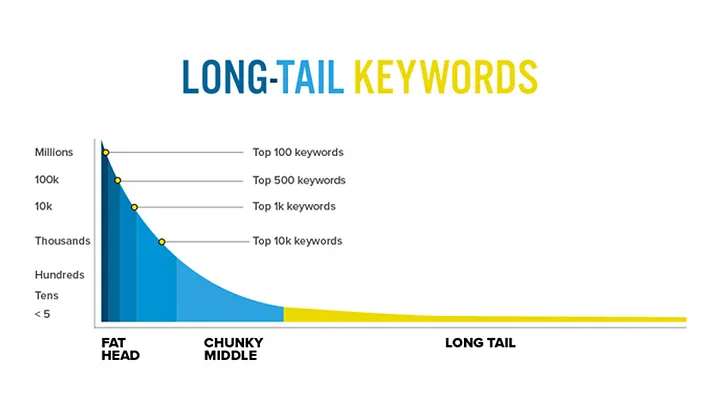
Just as with many digital marketing changes, this one is wrought by both technology and changes in consumer behavior. Likely, as more smartphones integrate voice (especially AI voice search) into their devices, consumers will continue to adapt their queries. In fact, with AI-facilitated voice search, queries no longer look like questions but rather conversations with the device.
This means you must adjust your content by including long-tailed keywords and natural language to determine how a user might phrase a query when speaking into a device rather than typing in a question. These adjustments to your writing not only address voice search, but also encourage AI learning models to include your content when addressing these online searchers.
4. First-party data is all you have now
One of the biggest digital marketing changes is the death of third-party data, which you formerly could use in marketing your brand online. Due to privacy concerns, more search engines are eliminating this rich source of information. This means you must work harder to collect as much first-party data as possible to use in personalization and improved decision-making.
As a first step, encourage visitors to sign up for loyalty programs, subscribe to your newsletter, utilize customer support logs, and create a login on your website to track individual user behavior. Ask questions to learn more about preferences and post contests on social media to gain valuable information. You’ll need this data to employ targeted marketing campaigns.
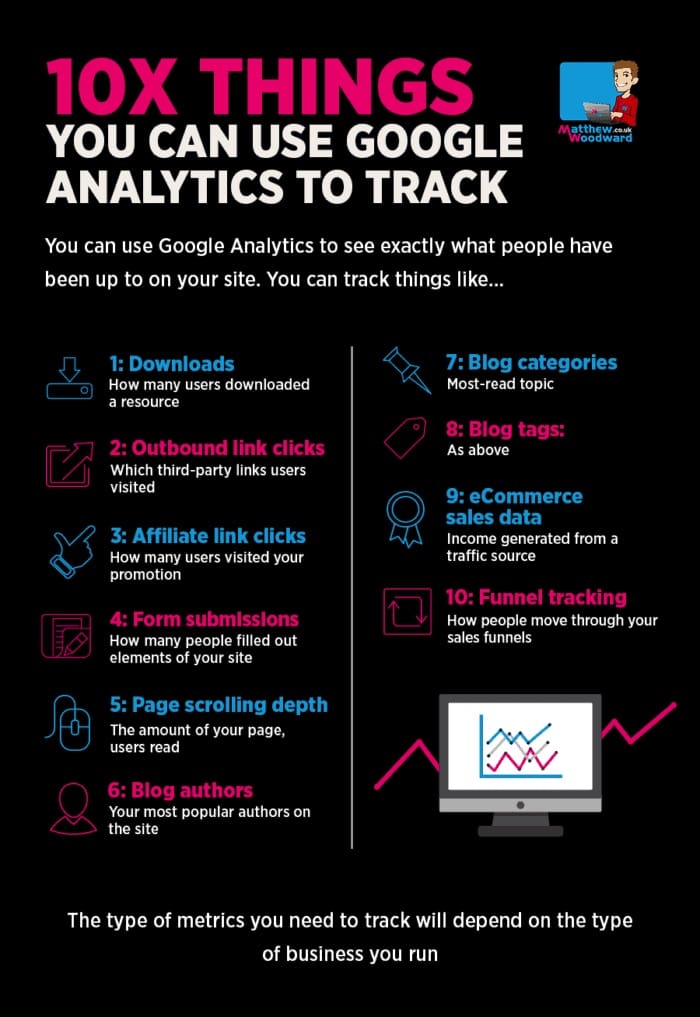
Of course, data is only valuable if you can effectively utilize the data to improve performance. That means you need to analyze data you glean from a variety of sources by bringing data visualizations built on this data into interactive dashboards that make building insights easier. Tagging posts provides a more nuanced interpretation of performance by identifying individual marketing efforts and showing how they work in meeting your goals.
You also need to track the right metrics, as attempting to analyze vanity metrics or other metrics that don’t translate into improved performance is a waste of effort.
5. Invest in influencer marketing
Influencer marketing involves using social media users with an engaged following to create user-generated content about your brand. While hiring a mega influencer, such as a celebrity, to mention your brand is very expensive, you’ll find micro-influencers very reasonable. These micro-influencers with an engaged following in your niche might work for a small payment or even free products and are often more effective than more expensive influencers. That’s because their mentions often feel more authentic and, thus, drive higher levels of trust, which leads to higher conversion rates.
6. Provide an enhanced user experience
Digital marketing changes through new technology and consumer preferences. Both of these are at work in what consumers consider a good user experience. For instance, load speed is an important aspect of user experience, so you should employ the best tools, like caching and image compression, to speed up your website.
Another aspect of a good user experience is the ease of navigation, so ensure your menus are intuitive and lead to the expected page. A standout call to action is also an important aspect of the user experience.
Finally, evaluate your conversion funnel to reduce the cart abandonment rate by eliminating excess clicks or requesting too much personal information to complete the sale. Recognize that, while it’s nice to encourage users to create a login, some users will refuse and cost you a sale. Allow guest logins or allow users to log in with Google or Facebook.
7. Leverage livestreaming
Livestreaming is the new shiny toy for consumers online; however, this one appears to be gaining traction because it’s a great way to gain engagement and appear authentic to your community. Just as you might once have hosted a product launch party or a behind-the-scenes tour, you can now livestream the event. Or, host a Q&A session, product demo, or make it more interactive by getting your community involved by letting them set the agenda.
Conclusion
Digital marketing changes are greatly impacting your ability to succeed into the future. By working to create more video content, embracing deep personalization with AI, optimizing your content for voice search, using first-party data and analytics to improve performance, using influencers to reach more users, and livestreaming events to promote engagement and interaction, you’re positioned to capitalize on these changes.
Need marketing help to support business growth?
We welcome the opportunity to show you how we can make your marketing SIZZLE with our data-driven, results-oriented marketing strategies. Sign up for our FREE newsletter, get our FREE guide to creating an awesome website, or contact us for more information on hiring us.
Hausman and Associates, the publisher of MKT Maven, is a full-service marketing agency operating at the intersection of marketing and digital media. Check out our full range of services.
Discover more from MKT Maven
Subscribe to get the latest posts sent to your email.


