 logo

Creating customer value and generating true customer satisfaction (not just influencing how they answer questions in a survey) is the untold secret of winning because these attitudes are what set thriving businesses apart from those that struggle and fail. When you build a process that optimizes these two critical customer evaluations, you drive purchase intentions, loyalty, generate repeat business, and ensure long-term profitability for your small business. Read on to learn how you can win by focusing on customer value and satisfaction.

What is customer value?

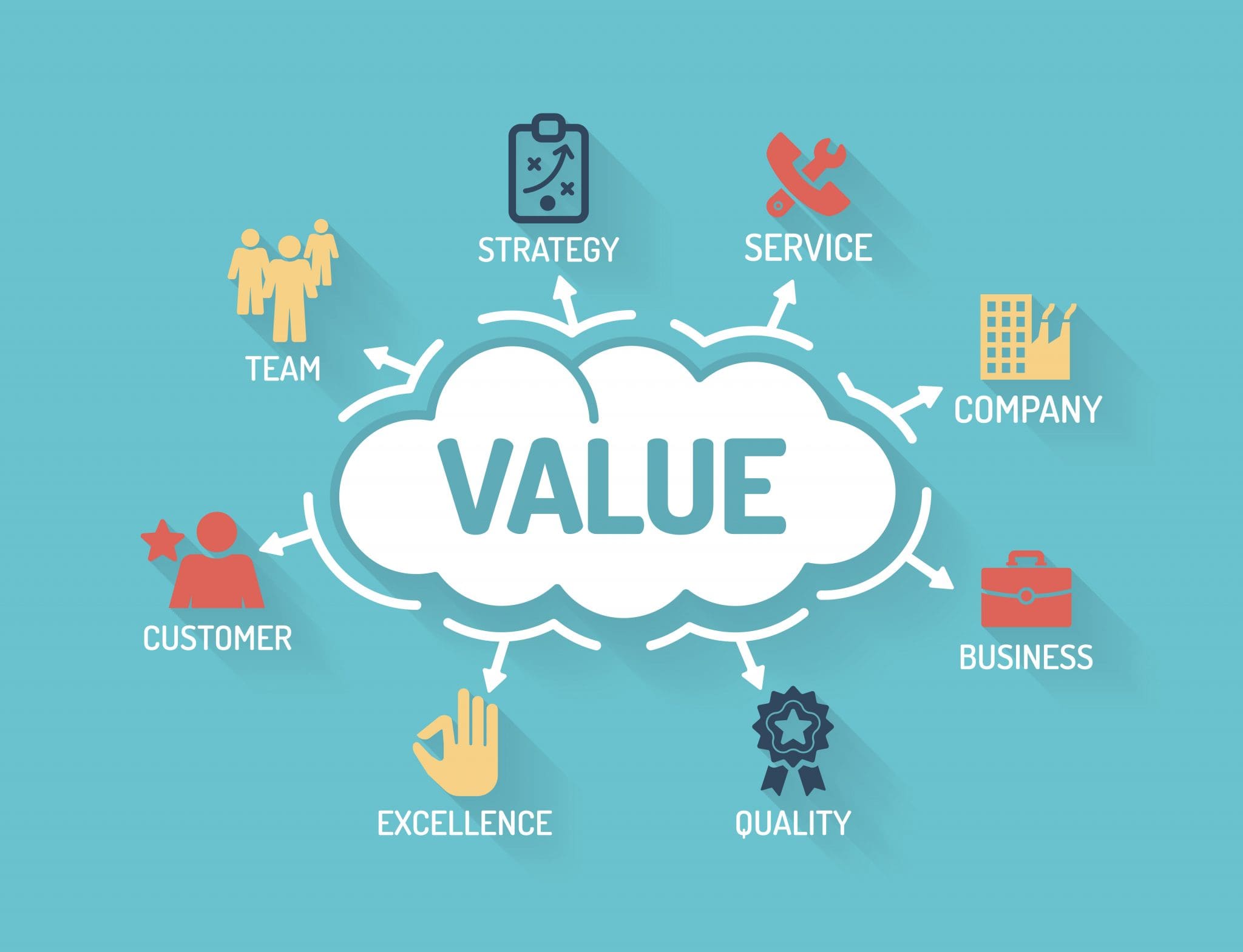
Customer value results from perceptions of purchases based on their cost and the benefits consumers believe they receive from the product. The higher the perceived value, the more likely a consumer is to purchase the product, repurchase it the next time they need this solution, and the more likely they are to recommend it to other consumers.
If you want to succeed, you should NEVER compete on price, but always compete on VALUE.
Don’t believe me? If you think about your own purchase behavior, you likely find examples where you’ve purchased a product that wasn’t the cheapest one out there. Maybe you bought a name-brand versus a generic product, or you opted for a highly rated wine instead of the cheapest one out there. You made the choice based on value, rather than price. Not surprisingly, the higher the perceived risk of the purchase, the more emphasis the consumer places on perceptions of value..
While you may think you understand the terms of cost and benefit, the reality may surprise you. So, let’s chat about what consumers see as benefits and costs when considering a purchase.
Benefits
While providing a good solution for whatever problem the consumer faces is a great benefit, it’s what we call necessary, but not sufficient to drive purchase intentions. In addition, you should provide the following benefits to increase perceived customer value:
- Quality
- Convenience, including a product with immediate availability, a local source, or one near with lots of parking
- Reliability
- Status. For instance, owning a product that’s heavily promoted, shown by celebrities or influencers on social media, or one owned by your peers has a higher status than products without these characteristics. Even the store that sells a product, especially a shopping product, implies status.
- Unique experiences, such as retailers that provide entertainment as part of the retail experience or ones that are packaged in a unique way to build an emotional connection or create surprise.

Costs
When you think of product costs, the first thing that likely comes to mind is the price tag, but there’s so much more that can impact consumer perceptions of cost, including:
- Time involved in the purchase and consumption. For instance, a product that requires extensive setup, installation, or assembly involves more cost than one without these time sucks. Also, if you have to travel longer to find the product or wait for its delivery, the cost goes up.
- The effort involved can also increase the cost of making a purchase. For instance, if you must search through thousands of product options to find the one that best suits your needs, you’ll experience a higher cost than when shopping with aids like signage in stores or filters in online shops.
- Risk is a factor in everything we do, but we commonly seek to reduce risk when purchasing a product. Consumers can experience financial risk, security risk, performance risk, or health risks when making a purchase. Thus, the cheapest product might involve more cost because the potential for it to create one or more of these risks is higher than that of other products.
- Emotional investment reflects elements such as trust and shared values that might increase or decrease the cost of a product purchase.
Customer lifetime value
Since we’re discussing customer value as a way to win for your small business, it’s essential to recognize that maintaining the customer relationship also brings value to your business. In fact, there are customers you don’t need because they don’t represent sufficient value to your organization, either because it costs too much to serve them or because they don’t buy a sufficient amount from your business to be worth marketing to them. This is encapsulated in the concept of customer lifetime value.
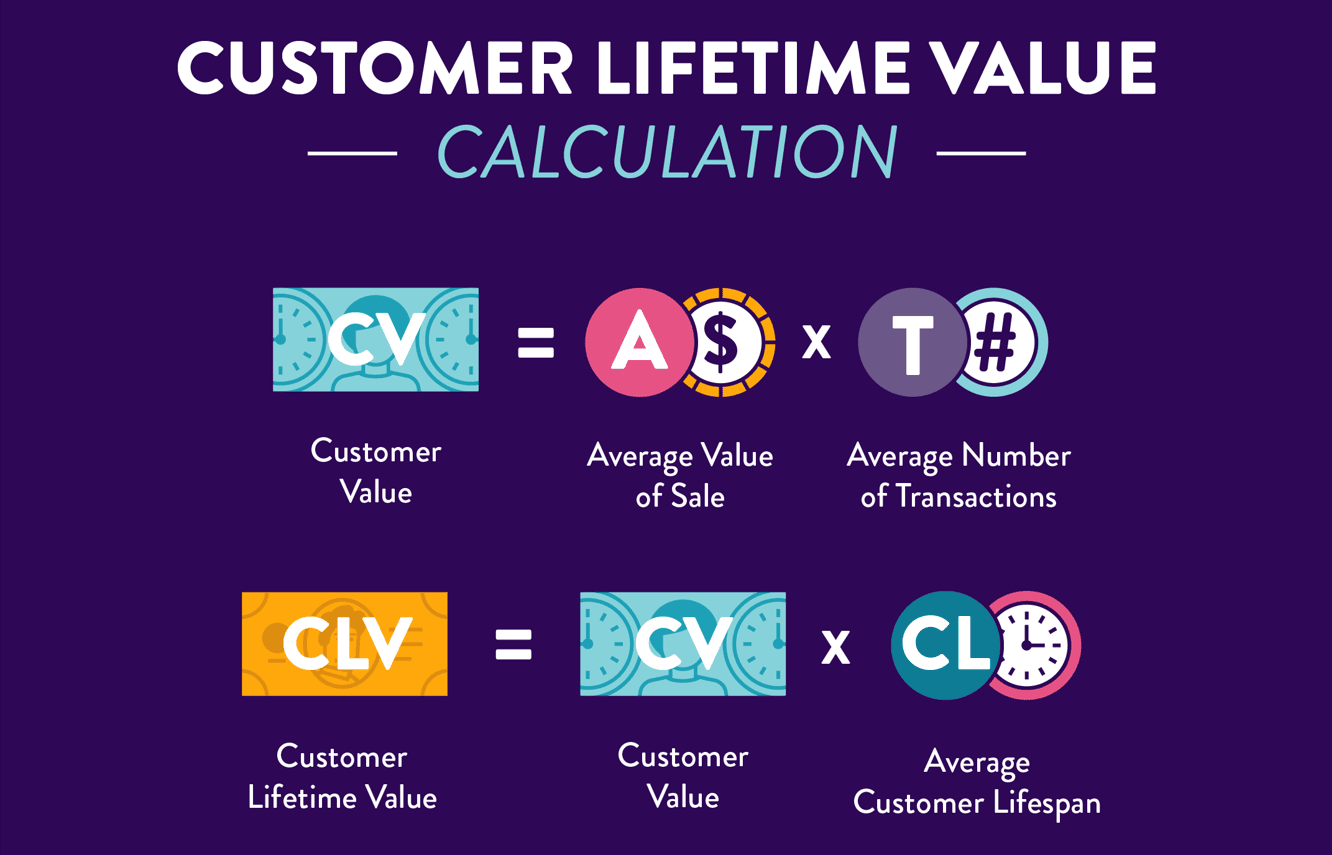
An example of a customer you don’t want is small depositors at a bank. Banks make money on the float, which involves lending depositors money until they need it. It costs money for banks to process depositors’ transactions, send monthly statements, and keep banks open to serve customers. Customers with a tiny balance in their checking account and no savings account cost a bank more than it can ever hope to recover from them. Of course, they don’t “fire” these customers, but they might limit their checks per month and/or charge a monthly fee, in addition to only sending electronic statements, as a means to reduce the costs of serving these customers.
Companies need to ensure they receive value in order to create customer value through lower prices, innovations, better products, and better distribution channels. Hence, customer value and corporate value are linked.
Customer satisfaction
Academics and experts struggle with a universally acceptable definition of customer satisfaction. Some expert definitions may sound appealing, but they involve nebulous terms like “happy,” which also lack an unambiguous meaning. Most academics define satisfaction as the gap between a consumer’s expectations about a product and their experiences with it. Thus, everyone agrees that customer satisfaction only comes into play after a consumer buys and consumes a product. It’s important to note that when evaluating their satisfaction with a purchase, they often include both the product performance and the process of buying and using the product (service). In fact, in some industries, the service element of the product influences satisfaction more than the physical performance of the product. The academic term for this phenomenon is service-dominant logic, and you see it most clearly in high-risk products. For instance, your satisfaction with your car purchase may be more heavily influenced by the process of negotiation and transferring the car than by the performance of the car itself. Things like the warranty, interest rate, trade-in value, and staff have a huge impact on your satisfaction in this scenario.
The link between customer value and satisfaction
It’s likely not a surprise to find that customer value and satisfaction are highly linked concepts. In general, the more customer value, the higher the customer satisfaction. For instance, Starbucks isn’t cheap, but customers love the service because it provides value in the form of consistency, innovation, a comfortable atmosphere, a great rewards program, free WIFI, and no time limit on your stay. Hence, customer satisfaction is high.
To improve customer value and satisfaction, you must:
Measure attitudes
You can assess customer value using:
- The Net Value Score
- Customer feedback
- Social media mentions
- Customer service monitoring

To measure customer satisfaction, use:
- Net Promoter Score
- Customer reviews/ ratings
- Repeat purchases

How to improve customer value and satisfaction
The first step toward improving these attitudes is to determine how customers view value in assessing your product. Do you create customer value with lower prices? Do they care most about fast delivery? Or innovativeness? Or influencer ratings? Then, tailor your products and promotions to ensure customers discern the value of your products based on what’s most important to them.
You need to ensure you have processes in place to provide the highest quality goods and services possible. For instance, implementing ISO 9000 in the production of goods and services ensures that total quality management is built into your processes.

Next, you need to improve efficiency to decrease costs so you can lower the selling price. This ensures that customer satisfaction over profits is your goal, which results in higher profitability.
Conclusion
Customer value and satisfaction are the secret winning combination that leads to success for your small business. By improving your understanding of how consumers develop these attitudes and learning ways to improve them, you’re bound to see your profits grow.
Need marketing help to support business growth?
We welcome the opportunity to show you how we can make your marketing SIZZLE with our data-driven, results-oriented marketing strategies. Sign up for our FREE newsletter, get our FREE guide to creating an awesome website, or contact us for more information on hiring us.
Hausman and Associates, the publisher of MKT Maven, is a full-service marketing agency operating at the intersection of marketing and digital media. Check out our full range of services.
Discover more from MKT Maven
Subscribe to get the latest posts sent to your email.


