 logo

Developing customer insights and using them as the core of strategic planning is the key to high ROI and growth, according to the Harvard Business Review. And, the problem is very real. According to Jay Rao of Babson College:
Somebody in customer support should have a really good understanding of the customer. There
should be technology that allows that agent to have a summary right in front of them. Then marketing needs information about buying patterns, buying habits, and spends
In 2026, the importance of building deep customer insights is even more profound as globalization increases competitive pressures, especially in industries facing low barriers to entry, such as software and e-commerce. Using a combination of AI along with internal and publicly available external data, including social media, offers a means for developing valuable insights to improve performance.

Transforming your organization into a customer insights powerhouse
In data analytics, we talk about the 3 V’s of data:
- Variety
- Volume
- Velocity
But that’s not all. We also have to worry about the veracity of data. According to some sources, firms spend the bulk of their data resources on simply cleaning the data so it can provide useful insights down the road.
Customer insights come from a variety of sources and take a variety of forms — structured data from your website and social media analytics, unstructured data from comments, feedback from your sales staff, transcriptions of customer service interactions, etc.
And there’s a lot of it. Every day we create as much data as we did from the start of recorded history to 2008 [source]. This data comes at you at the speed of light. That means no organization can develop sound customer insights without a plan for analyzing this data in near real-time.
Becoming a leader in customer insights requires resources (staff, training, tools) and a commitment from the highest levels within the organization to be effective.
Why do you need deep customer insights?
You need more than data to build the kinds on customer insights you need to improve performance. You need to be proactive by using this data to build insights using predictive models to help define appropriate strategies for improvement, which is critical for the growth of your business (and maybe even its survival). Here are some ways you can use data to improve your performance.
Reduced churn, the silent performance killer
Churn refers to the percentage of customers who defect from your business. Importantly, churn is expensive and wasteful, since it costs 5X more, or more, to replace an existing customer with a new one. Even a small increase in retention results in a huge bump to your bottom line, as you can see in the graphic below.

There’s a great deal of variability in churn rates across industries, depending on the stickiness of the services provided. For instance, churn rates among medical services tend to be low as patients show a strong preference for keeping their existing providers. In contrast, services such as streaming video and software-as-a-service, as well as frequently purchased products like milk, exhibit higher churn rates.
You can reduce churn by understanding the signs that a customer is likely to churn before they actually stop buying your goods and services. Rather than wait until the credit card on file stops charging or the customer loyalty card stops being used at the checkout, use insights such as login frequency to trigger action that might reduce churn rates.
Similarly, by collecting and building models based on customer complaints, calls to customer service, and social mentions, you can glean data to help you improve the customer experience before the problem spreads, increasing churn.
Increasing customer lifetime value (CLV)
Keeping customers isn’t enough. You want to become the single source for all your customers’ needs whenever possible. That’s the concept behind customer lifetime value. You want to increase the amount of each purchase and entice customers to choose your brand over and over again, far into the future.
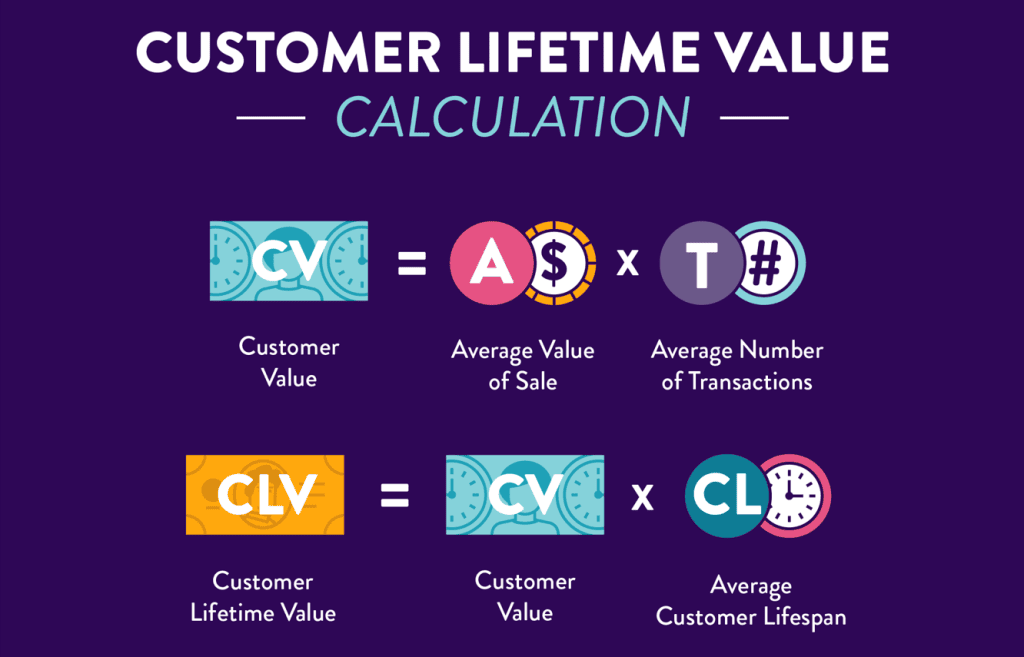
Another use of CLV is in determining which customers you want to keep and which are more costly than they’re worth. While this concept sounds contrary to your goals, it actually makes a lot of sense. For instance, customers who make frequent returns from e-commerce sites may find they face additional hurdles when requesting future returns. It also explains why banks charge more for some services when customers don’t maintain a minimum balance.
Product-market behavior
Customers are the ultimate arbitrator of what’s “good”. I remember once moderating a focus group where we tasted-test various beverages from a local brewer. The client almost went through the one-way glass when participants rejected their signature beer. She was bent on convincing them the beer was good. But it doesn’t work that way. Instead, you need honest feedback from your customers about every aspect of the customer experience, from product search through consumption, if you want to make your products better in their eyes.
Customer insights also help you market your brand more effectively by identifying those features and benefits seen by customers as the most salient in making a purchase decision. Not only does this feedback help you improve your messaging, but it also informs your product development projects.
Improve the efficiency of your marketing spend
No matter how big or small your business is, no one wants to waste money. Instead of using a “spray and pray” strategy for your marketing communications, use a targeted approach to laser focus your communications toward the right customers (and prospects, such as lookalike audiences) with the right message at the right time in the right medium. Analyzing results allows you to predict which strategies will deliver the highest returns.
Personalize the customer experience at scale
Customers today expect you to know enough about them to make their lives and purchase decisions easier. Think about how streaming services offer suggestions of movies and TV shows you might enjoy based on prior viewing patterns and you get the kind of deep personalization customers have grown to expect. Sending inappropriate email messages, such as recommending products that are alternatives to purchases already completed, sends the message that you don’t really care about the customer.
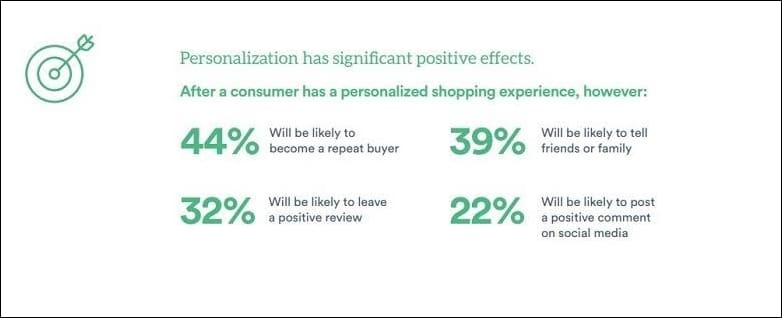
Instead, use information about the customer to send customized messages and recommend products based on behavioral patterns. This is a little more difficult with Google’s decision to limit 3rd party data, but it’s still possible for most users.
How to use data for insights
Combining AI with internal data, as well as information gleaned from external sources like social media, starts with unifying your data across existing silos and layering Agentic AI on top to help make sense of it. Here are the four steps necessary to optimize your insights.
Centralize your data
The first step in using data to glean insights is to bring all your data into one platform. Use a tool such as IBM Cognos or Microsoft Fabric to connect various data sources without requiring your staff to write custom code. Use the tools to create interactive dashboards using data visualizations to help with interpretation.
Use conversational business intelligence (BI)
Conversational BI uses AI to sit on top of your databases so you don’t have to keep sifting through charts. This tool allows you to find micro-signals in your data to predict customer behaviors you should monitor, such as predicting when a customer might churn. You can also ask questions in plain English and get answers that provide appropriate actions.
Add unstructured data to your analysis
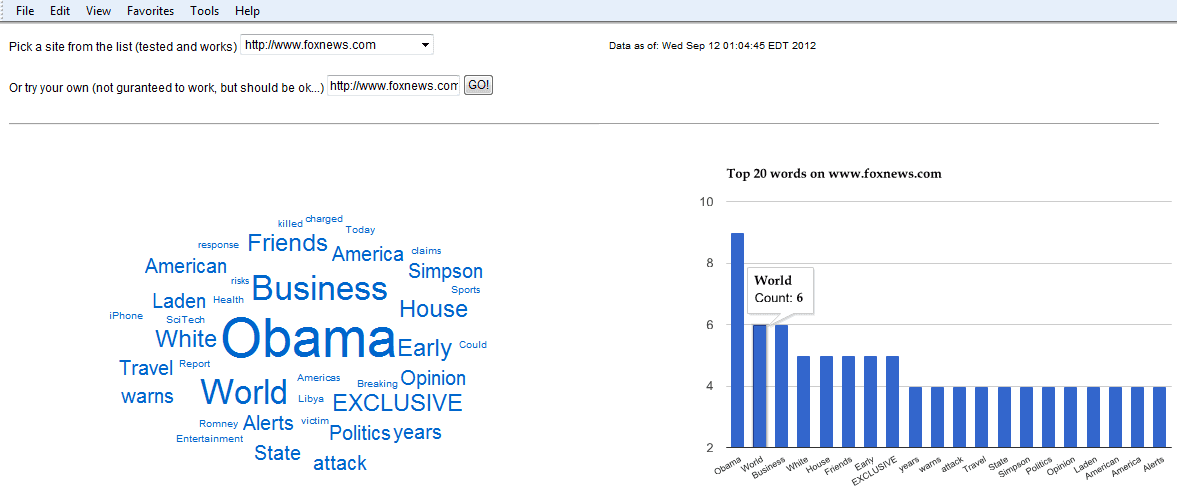
Unstructured data represent 80% of the information available to businesses. This type of data exists in emails, social media, videos, images, and documents. Unstructured data is messy, but incredibly valuable to building customer insights.
A variety of tools exist to help you analyze unstructured data. For instance, sentiment analysis tools help you understand the feelings customers have toward your products and those of your competition. eDesk is a tool to help you turn conversations into actionable insights.
However, analyzing unstructured data is in its infancy. Newer tools are being developed to use natural language processing and AI to improve the interpretation of this data. The lack of intonation complicates this process. Most existing tools, such as the word cloud shown above, simply reduce the richness of unstructured data to add structure that is more easily interpreted.
Implement a better customer experience
Use AI to analyze your data to predict the behaviors of individual customer segments along their journey. For instance, you can score leads to determine which are most likely to make a purchase, allowing you to focus your attention on those rather than sending generic communications to all customers.
Which KPIs should you track?
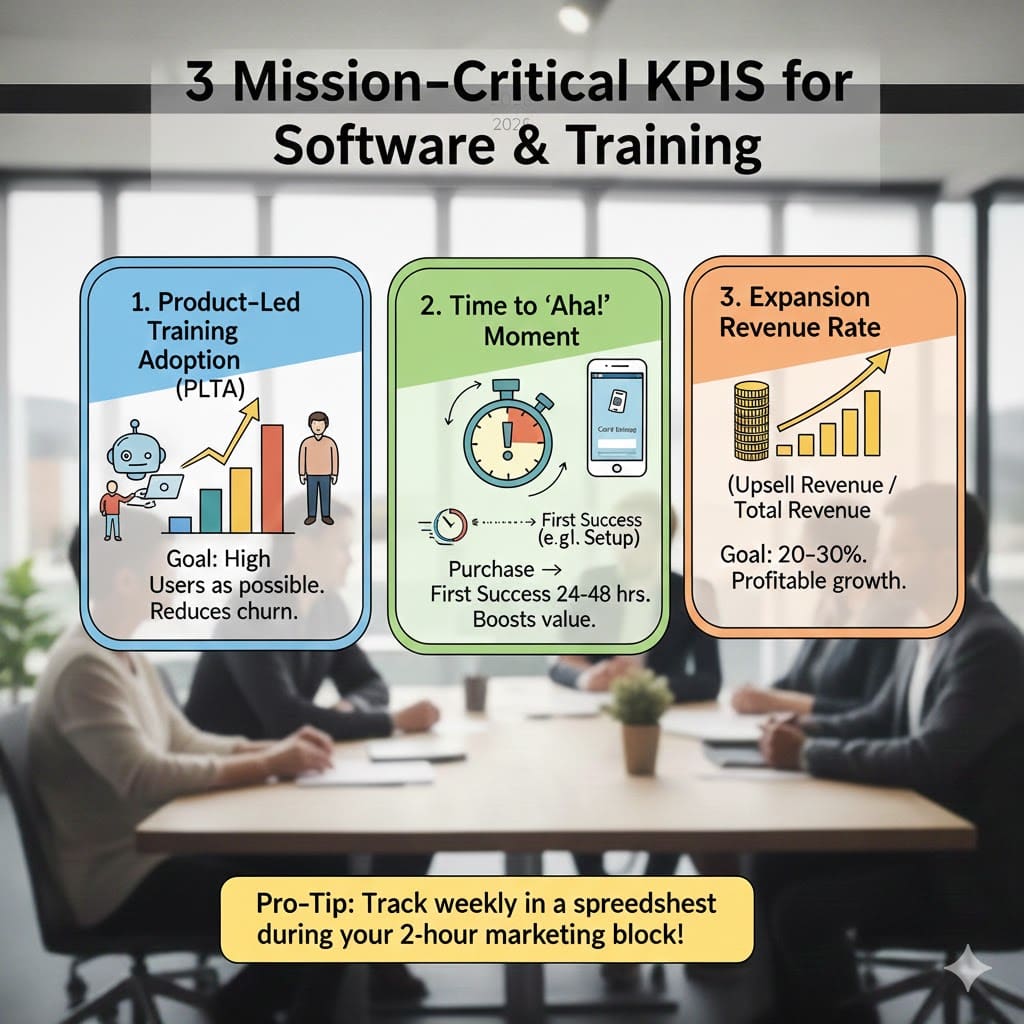
The right KPIs (key performance indicators) needed to build customer insights vary greatly based on your industry, your customers, and your operation. Let’s assume you operate a SaaS business (software-as-a-service), where success involves not only gaining new users, but ensuring they can use the software the way they need to. Without sufficient training, you’ll likely lose your customers quickly when they become frustrated or find the software doesn’t provide a solution to their problems.
Having a bunch of KPIs often ends up offering poor insights, so it’s better to limit yourself to a few. In our example, we chose three KPIs to monitor daily.
Product-lead training adoption
This metric focuses on the percentage of customers who use your training. Since you’ll quickly find customers cancelling their subscriptions or failing to convert their free trials into paid subscriptions, interacting with your training is a key to success. If this metric is low, ensure access to training is easy and the training itself offers clear guidelines on using the software.
A great example comes from Adobe’s Creative Suite. In the early days, training was not offered except by formal programs and scattered offerings from third parties that may or may not effectively guide users on how to get the most from their Adobe products. Now, Adobe offers its own training programs with videos, sample assets, and step-by-step instructions on how to get the most from these complicated products.
Time to meaningful action
You want to track how long it takes before users take a meaningful action with your software. For instance, a company offering email marketing might track how long it takes users to upload or begin collecting subscribers. Ideally, you want to see users engage with your product within 24 to 48 hours due to the short attention spans exhibited in 2026.
It’s usually easy to track this metric. To make it shorter, monitor your onboarding process to streamline any roadblocks users might encounter. Send reminder email messages to encourage users to take the next steps.
Expansion revenue rate
You don’t want to just make a sale; you want to become the source for all future purchases from a customer. Maybe you track upsells or cross-sells. Maybe you track companies that add extra users to your software platform. Maybe you track users of the free version who convert to a paid option or upgrade their subscription to include more features.
You don’t need fancy software to monitor these KPIs. A spreadsheet you update at least once a week should serve you well.
Conclusion
Monitoring and developing deep customer insights generates an ongoing revenue stream necessary for growth should be a primary goal of any business. Instead of focusing all your attention and marketing effort on attracting new customers, ensure you balance your efforts by keeping your existing customers happy.
Need marketing help to support business growth?
We welcome the opportunity to show you how we can make your marketing SIZZLE with our data-driven, results-oriented marketing strategies. Sign up for our FREE newsletter, get our FREE guide to creating an awesome website, or contact us for more information on hiring us.
Hausman and Associates, the publisher of MKT Maven, is a full-service marketing agency operating at the intersection of marketing and digital media. Check out our affordable coaching programs to help your business thrive into the future.
Discover more from MKT Maven
Subscribe to get the latest posts sent to your email.


