 logo

In today’s fast-paced digital landscape, small businesses must evolve beyond outdated tactics like keyword stuffing. To truly thrive online, a comprehensive and integrated approach is essential. In competitive markets, such as SEO Singapore, innovative marketers increasingly embrace a holistic digital marketing strategy that extends beyond mere keywords or even search rankings. These strategies not only enhance visibility but also cultivate brand equity, foster trust, and ensure long-term engagement with customers. Invest in a robust online presence and watch your business flourish by connecting authentically with your audience and standing out in the digital realm.

In today’s competitive landscape, it’s essential for businesses to seamlessly connect content, customer experience, data, and storytelling to truly thrive. Imagine a holistic digital marketing strategy that not only captivates your audience, but also fosters genuine engagement and loyalty. Let’s dive into how you can build a powerful, well-rounded strategy that guarantees sustainable growth, ensuring your brand succeeds in the long haul with higher conversion rates, rather than just fleeting visibility.
Building a holistic digital marketing strategy
1. Start with strategy, not tactics
One of the most common missteps in digital marketing is focusing on tactics like building a social media platform or a website without a guiding strategy. Before launching ads or rewriting blog content, take a step back and ask:
What are we trying to achieve, and who are we trying to reach?
A holistic digital marketing strategy starts by identifying:
- Your unique value proposition (UVP)
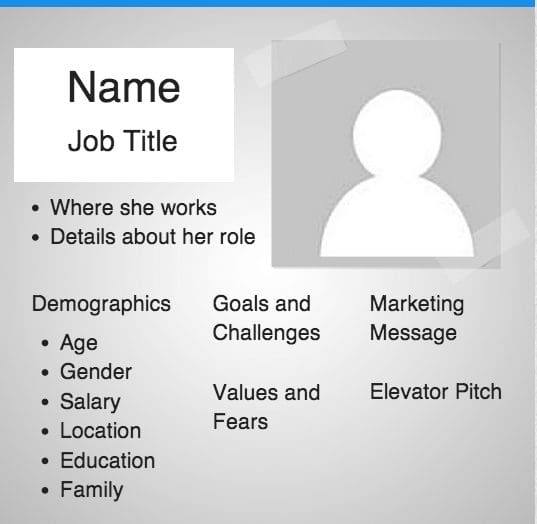
- Ideal customer personas

Image courtesy of Buffer - Short- and long-term business goals
- Metrics that matter beyond just web traffic (think conversions, retention, and brand sentiment)
And, that means building a thorough, well-reasoned marketing plan, or even an entire business plan, based on research, not seat-of-the-pants guesses or opinions. I once judged an international business plan competition sponsored by the University of Texas that brought together the best graduate student teams from around the globe. Despite the advice of seasoned faculty and subject-matter advisors from industry, nearly all the teams paid lip service to the notion of actually marketing their products to real consumers. They used bloodless statistics about populations and guesses (usually optimistic guesses) as to the percentage of the population that might eventually buy their innovative products. Only one team actually defined and surveyed the likely target market to understand their needs and willingness to buy before building the prototype. More disturbing was that none of the VCs who were putting up real money to fund the competition winners asked serious questions about the estimates of revenue. Instead, they were more concerned with existing strategies and burn rates. They also didn’t seem to care about the qualifications of the proposed management team to ensure they had the skills to operate the business successfully and were even annoyed when I suggested these were concerns if they were interested in making a more secure profit.
A business plan must contain a detailed marketing plan containing the elements listed above, along with financial projections based on sound reasoning. If you’ve never built a marketing plan, I provide guidance in several posts on this website, including detailed outlines and potential sources of information needed to build the plan.
By aligning every marketing move with your broader objectives, you’ll ensure consistency, reduce wasted spend, and build a brand that resonates.
2. Content is still king—but only if it’s meaningful
Content creation remains a core pillar of any digital marketing strategy, but volume alone won’t cut it. Quality, relevance, and purpose are key. Remember, you need content that provides value to your target market. Plus, you need to incorporate sound marketing concepts designed to motivate that market toward a purchase using an understanding of your customer’s journey. That requires not just content but persuasive content that works at each stage of the journey, as you can see below. 
Your content should:
- Address customer pain points
- Reflect your brand voice
- Serve different stages of the buyer journey (awareness, consideration, decision)
This means diversifying your content portfolio. Long-form blog posts can support thought leadership, while short social videos boost engagement. Ebooks, case studies, and FAQs can provide in-depth value and help with lead generation. And don’t forget about evergreen content that continuously brings traffic over time. According to Harvard Business Review, the most successful businesses today create content ecosystems—not just isolated blog posts—and align those ecosystems with customer needs and expectations.
You should also diversify your channels. And, that’s our next topic.
3. Think omnichannel, not multichannel
Many businesses adopt a multichannel approach, with a digital strategy that involves various channels, which might include some combination of social media, SMS (short messaging service), email marketing, and digital advertising, in addition to their website. But that doesn’t mean their messaging or branding is consistent. A holistic digital marketing strategy embraces omnichannel marketing, where each platform works in concert. Whether a customer discovers you via Instagram, a digital ad, or Google, they should encounter the same brand voice, design elements, and messaging tone. A style guide that lays out design elements like colors and fonts, along with marketing elements like slogans, helps provide this continuity.
Seamless transitions between platforms (including mobile and desktop) help reinforce brand trust and make interactions more intuitive. Keep your target market for each platform and each piece of content clearly in mind as you create content suitable for each platform and its audience.
Remarketing tools like advertising aimed at users who have previously visited your content help with lead nurturing, and developing a series of email broadcasts can also help convert visitors who have left an item in their shopping cart or downloaded an ebook.
Pro tip: Use tools like customer journey mapping to identify gaps and ensure consistent experiences at every touchpoint. A content marketing calendar helps with all your content tasks. It ensures you rotate topics that are valuable to various personas and that meet the needs of users in different stages of the customer journey.
4. Invest in relationships, not just leads

Short-term sales are great, but long-term relationships are better. According to Constant Contact, repeat customers spend 67% more than one-time buyers, are more likely to make future purchases, represent lower costs to serve, and are more likely to be advocates of your brand. A genuinely holistic digital marketing strategy focuses on building customer loyalty through personalization, responsive service, and value-added communication.
Consider:
- Email campaigns that go beyond sales to include useful insights
- Personalized product recommendations based on behavior
- Loyalty programs that reward engagement, not just purchases
These tactics not only boost customer lifetime value, but also turn customers into brand advocates—one of the most powerful marketing assets a small business can have.
5. Use data to drive smarter decisions
Analytics shouldn’t be an afterthought—it should be the foundation of your strategy. From Google Analytics to customer surveys and heat maps, data allows you to:
- Understand what content performs best
- Identify where users drop off
- Segment your audience for targeted campaigns
But don’t just collect data—act on it. Use your insights to optimize landing pages, refine ad targeting, and personalize outreach. A strategy built on real numbers is far more sustainable than one based on assumptions.
6. Collaborate, don’t operate in silos
Digital marketing touches every part of your business: sales, customer service, product development, and even HR. The more these departments collaborate, the more cohesive and powerful your strategy becomes.
Encourage teams to share insights, align goals, and provide feedback on messaging and campaigns. Holistic marketing isn’t the responsibility of a single department—it’s a company-wide mindset.
Think big, start small, stay consistent
A holistic digital marketing strategy isn’t built overnight. But by starting with clear objectives, investing in meaningful content, focusing on customer experience, and staying data-driven, small businesses can craft strategies that deliver both short-term wins and long-term brand equity.
It’s time to stop chasing trends and start building a foundation that supports real growth across platforms, channels, and customer journeys.
Need marketing help to support business growth?
We welcome the opportunity to show you how we can make your marketing SIZZLE with our data-driven, results-oriented marketing strategies. Sign up for our FREE newsletter, get our FREE guide to creating an awesome website, or contact us for more information on hiring us.
Hausman and Associates, the publisher of MKT Maven, is a full-service marketing agency operating at the intersection of marketing and digital media. Check out our full range of services.
Discover more from MKT Maven
Subscribe to get the latest posts sent to your email.


