 logo

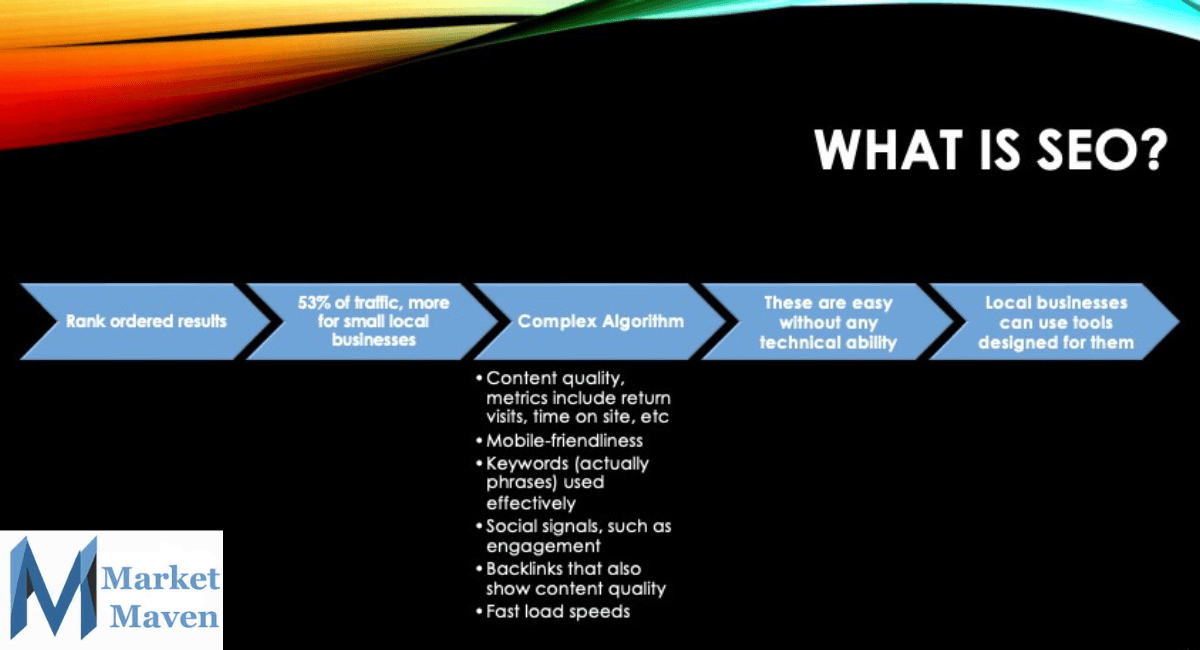
SEO or search engine optimization is essential if you don’t want your website to be invisible to users. SEO, as you can see in the image below, drives organic traffic to your website, which accounts for 53% of all visits. Without this traffic, your website will fade into obscurity regardless of how well-designed it is, how great your products are, and how much you spend on advertising (advertising accounts for less than 15% of all website visits). However, even the slightest oversight can dramatically affect your search rankings and the lower your link in the results list, the less likely users are to click it. In fact, the top three search results account for a whopping two-thirds of all the clicks received for that search term. Therefore, website owners must proactively identify and rectify common SEO mistakes before it’s too late, as implementing effective SEO strategies and adhering to guidelines are crucial for achieving optimal results. Unfortunately, many sites fall victim to common SEO mistakes that can severely jeopardize their rankings. Don’t let your website be one of them—prioritize your SEO efforts to ensure your online success!
How to avoid common SEO mistakes
As you can see in the image above, various factors, including content quality, mobile friendliness, and keywords that match user intent, affect where your links appear in search results pages (SERPs). Google changes its algorithm by replacing factors, adding new ones, and adjusting the weight assigned to each factor on a regular basis. Significant changes occur every year or so. Keeping up with these changes and implementing them across your website is likely a full-time job, even if you run a relatively small company. The alternative, ignoring algorithm changes, can spell disaster and is one of the most common SEO mistakes made by small and mid-sized businesses (SMEs).
Below, we list the most common SEO mistakes and offer solutions to keep these mistakes from sinking your online marketing efforts. Audit your website and develop strategies to avoid these mistakes and you’ll see your visits, visitor engagement, and conversion rates increase dramatically.
Ignoring mobile optimization
In today’s digital landscape, consumers often turn to their mobile devices first, as almost everyone has a smartphone nearby or in their hand at virtually any moment. It’s the first thing they look at each morning and the last thing they see every night. Some even wake up to check their smartphone at night. They use their smartphones during their commute or while waiting for something. Going online adds entertainment to any activity, with many users using multiple devices at once, such as watching TV and scrolling social media
Having a mobile-optimized website is essential; if users encounter difficulties navigating a site on their phones, there is a high likelihood of losing potential customers and significant website traffic. Plus, mobile-friendliness is a significant ranking factor in the Google algorithm. Engaging a trusted SEO agency in Auckland can be instrumental in ensuring your website adheres to mobile SEO best practices, which in turn optimizes your site’s visibility.
To enhance user experience, websites must be responsive, meaning they automatically adjust to various screen sizes, and they should load fast, as delays can frustrate users. Recognize that mobile users may want different information, such as an address, phone number, and menus, when using a mobile device. Ensure these are displayed prominently and have logical navigation.
Ignoring high-quality content
Content plays a critical role in Search Engine Optimization (SEO), so frequently producing high-quality, valuable content is essential if you want your content to appear near the top in search results. To optimize your content, focus on delivering what your target market needs to enhance user engagement and drive more traffic to your website. Here are some content types to consider:
- Video and high-quality images
- Infographics
- How-to articles
- Entertaining content, such as cartoons
- In-depth reviews
 When creating content, focus on originality and depth. Well-researched, informative articles not only attract readers, but also establish your authority. Additionally, incorporate high-quality visual elements, such as images, videos, and infographics, to enhance the value of your content. Readers often want to scan your content to find parts that address their issues, so using these visual elements, plus providing headings, subheadings, and lists, makes this possible.
Poor website speed and performance
Web users prefer websites that load quickly and efficiently. Users will bounce (leave the website) if it takes more than a few seconds for a page to load. Bounce rate is one of the key ranking factors in the Google Algorithm, so a slow site not only means you lose a prospective customer, but it is one of the most common SEO mistakes.
Tools like Google PageSpeed Insights can help you identify specific performance issues and provide actionable recommendations to optimize your website’s speed and overall user experience. One way to speed up your site is by using caching, especially for images, and embedding video rather than hosting it on the page.
Keyword stuffing
Keywords are essential to SEO performance and the success of your online marketing. Using keywords in your title, headings and subheadings, on images, and within the body of your text is essential for ranking and, by matching user intent, keywords help to bring the right users to your website. Use tools like the Google Keyword Planner (a part of the Google Ads platform) to help you choose the best keywords for a piece of content. You should choose 20 or so keywords based on their level of competition, search volume, and relevance to your products, then create content pieces around them. Since you can only use a keyword once across your entire website, use long-tailed keywords or phrases. This also matches the increased use of voice search, which is inherently a longer query.

Keyword stuffing refers to overusing a keyword within your content. While common until a few years ago, a significant algorithm update convinced many website owners to abandon this tactic. To enhance both user experience and SEO performance, it is essential to create high-quality content where keywords are integrated smoothly and naturally. Incorporating synonyms and related terms not only maintains the flow and readability of the text but also enhances keyword optimization without the risk of stuffing. Ultimately, the goal should be to provide valuable information to users while strategically incorporating keywords that align with their search intent.
Neglecting on-page SEO elements
Website owners often overlook several minor yet crucial factors that significantly impact their website’s SEO ranking, such as meta titles, image alt tags, meta descriptions, and header tags. These elements are crucial and using your keywords within these elements helps avoid one of the common SEO mistakes website owners make.
Lack of internal linking and backlinking strategies
Linking to valuable content and encouraging backlinks from high-domain-authority (DA) websites are both integral to ranking. Internal links help users find similar content on other pages of your website, keeping them engaged and on your site longer. This is a ranking factor, as both time on site and pages viewed per visit are part of the algorithm. Also, by providing a one-stop site for answers, you encourage visitors to come often, which is another ranking factor.
Backlinks from high-quality websites are a form of endorsement for the value you provide on your pages. Providing quality content, especially in the form of unique images, reports, and data insights, encourages other websites to link to your content. You can also reach out to the owners of other websites with requests to share a particularly valuable post or offer to guest post on their website with a link back to your website. Building a community of bloggers is a great way to encourage others to link to your content.
Final thoughts
As a website owner, prioritizing SEO is essential for achieving high rankings and fostering growth. It’s crucial to ensure your site delivers exactly what visitors are searching for, rather than presenting random content. Key strategies, such as effective interlinking, mobile optimization, and even seemingly minor details like meta descriptions and heading structures, play a significant role in crafting high-quality content. Avoiding common pitfalls in content writing is vital; mistakes can severely undermine your content’s quality and, consequently, your site’s visibility in search results. By focusing on these critical SEO elements, you can enhance your site’s performance and attract more traffic!
Marketing tips to help support business growth?
We welcome the opportunity to show you how we can make your marketing SIZZLE with our data-driven, results-oriented marketing strategies. Sign up for our FREE newsletter, get our FREE guide to creating an awesome website, or contact us for more information on hiring us.
Hausman and Associates, the publisher of MKT Maven, is a full-service marketing agency operating at the intersection of marketing and digital media. Check out our full range of services.
Discover more from MKT Maven
Subscribe to get the latest posts sent to your email.


