 logo

Conversion is the end zone in marketing. We call this a terminal goal. But reaching that goal involves not just getting folks to buy your product but all the intermediate steps that they go through that speed them on their buying journey, such as signing up for your mailing list (which allows you to send periodic messages that entice them toward purchase – a process we call lead nurturing), downloading your white paper to learn how your products can help them solve their problems, or attending a webinar to start building a relationship with your brand. We call these intermediate goals as these are steps along the pathway to purchase. Even the first steps on that pathway, those building awareness and interest, are important if you want to improve your conversion rate. Understanding what tools you should use at various stages in the process, such as whether to use traditional media versus digital media, depends on a number of factors, including your target market, your budget, and your industry. Likely, it’s less a decision between the two media sources but one of how to combine those media sources effectively to reach your goal.

 Is it all about the click?

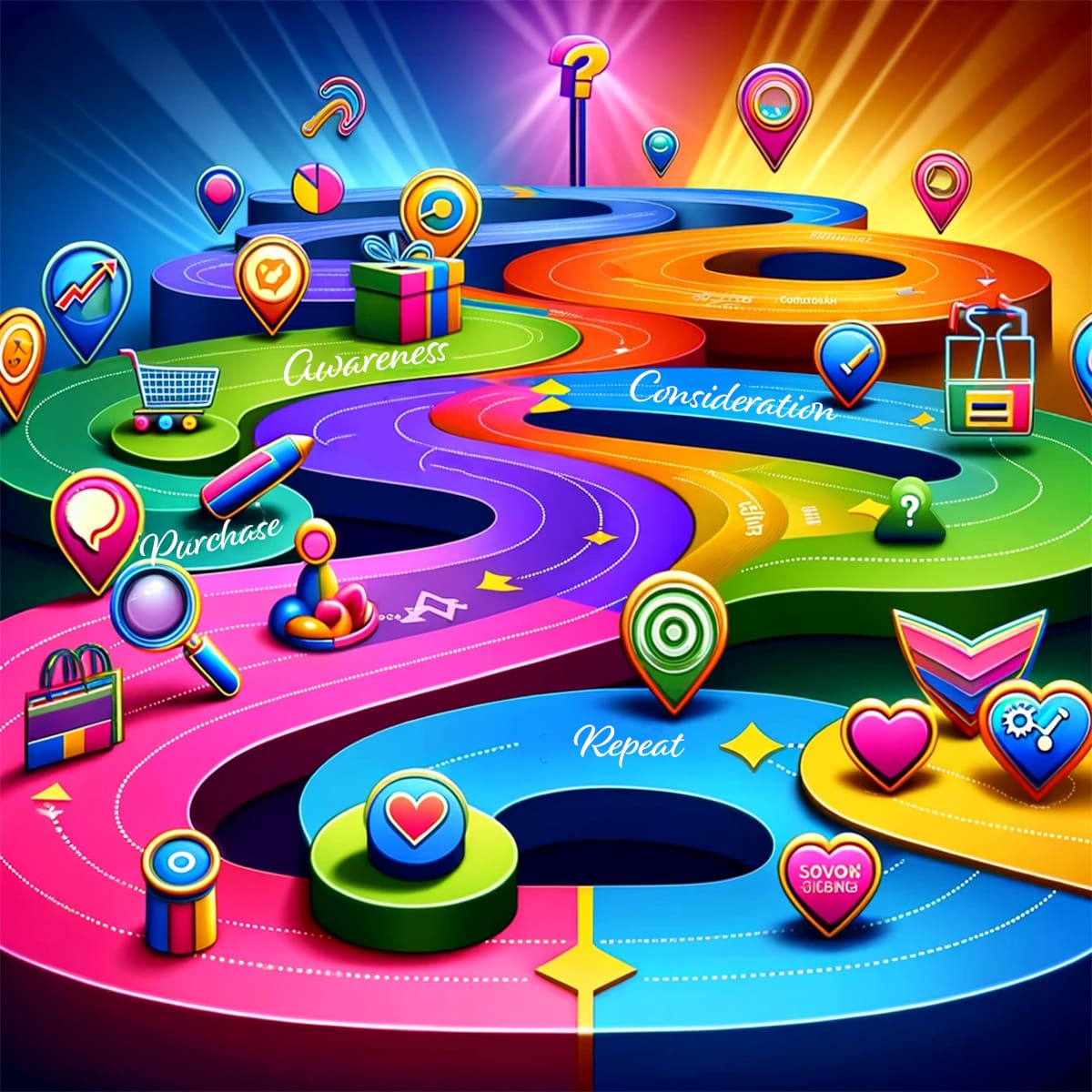
The graphic I created above represents the conversion process. Unlike a more traditional depiction of the process, which is linear, I used AI to help generate a graphic showing its cyclical nature. Consumers enter near the top (awareness) but then meander around the other stages, possibly reaching conversion (purchase) at some point and maybe even hitting the holy grail in marketing, which is loyalty (repeat purchase). I think this image really brings home the notion that conversion doesn’t happen in a vacuum but requires multiple steps, and the movement through those steps is influenced by actions taken by the brand to encourage consumers to make the journey.
Today’s topic is how brands do that. If you want to increase your conversion rate, read on to learn more!
Traditional media versus digital media
Brands today face two distinct options when it comes to encouraging consumers to make a purchase: traditional media and digital media. Traditional media includes TV, radio, billboards, newspapers, magazines, and public relations. In contrast, digital media takes place in electronic spheres, such as on websites, social media platforms, mobile devices through messaging apps, and email marketing. There’s even a place for some tactics that seem to blend the two media, such as ads on streaming services and online newspapers.
I know I’ve posted before about the vast differences between traditional and digital media (and, if you missed these posts, here’s a link to the 16 differences between traditional and digital media (although this was later updated to include more differences as they emerged over time) and another about integrating traditional media versus digital media).
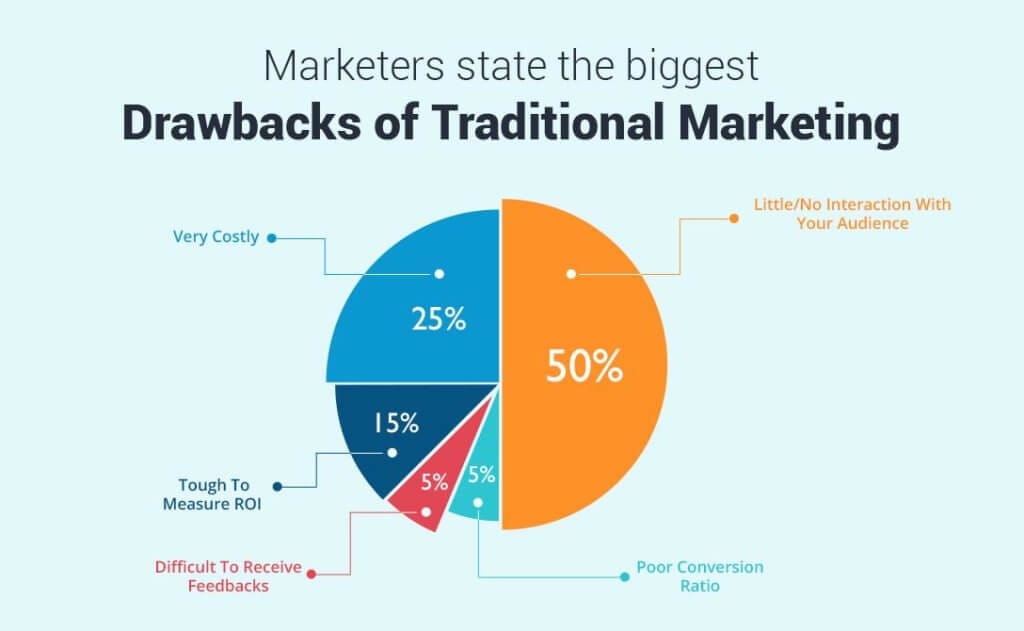
But with digital media, some marketers seem to think it’s all about the click—creating urgency and tools for converting immediately. Maybe that’s because digital media allows you to accurately assess the conversion rate of every marketing action. At the same time, you were left in the dark, to a large extent, on the return from your traditional campaigns, except for measuring awareness and attitudes toward the brand, which are nearer the beginning than the end of the customer journey.
If it’s not immediately obvious why digital media is more actionable than traditional media, think about it for a minute. How are you supposed to respond when you see a brand message from a traditional campaign? I mean, you’re driving down the road and see a billboard for a product or hear a radio commercial. Do you stop your car to call the number to order immediately? Do you whip out your smartphone to go online and order?
Of course, you don’t. Even if the commercial message manages to cut through the clutter — other billboards, scenery, traffic, radio programming — and manages to reach your consciousness, you’re not about to interrupt your drive to order.
And, even though many folks, especially millennials making up a group called Connected Consumers, watch TV with their laptop burning their legs because they’re too distracted to notice or their mobile device in their hands, they’re using the two devices in parallel, not in tandem. That means they’re watching TV with one eye (and likely zapping through commercials) while stalking their ex on Facebook. They’re not watching your commercial and reaching for their device to order your product — unless you’re Dominos.
Maybe consumer behavior will be different with Smart TV and tools like Delivery Agent that let you buy products you see on TV programs, but I doubt it. Consumer behavior patterns get locked in, and changing those behaviors takes time and is unpredictable. So, for the foreseeable future, your traditional media spend won’t be actionable.
Digital media versus social media
Digital media, by its very nature, is actionable. See a product in an Adwords ad or Facebook-promoted post — click to go directly to the page to buy the product. In fact, if you don’t do digital media right (don’t include landing pages to let clickers buy your product directly, for instance), your quality score increases your digital advertising costs and buries your ad on the back pages in SERPs (ranking on search engine results).
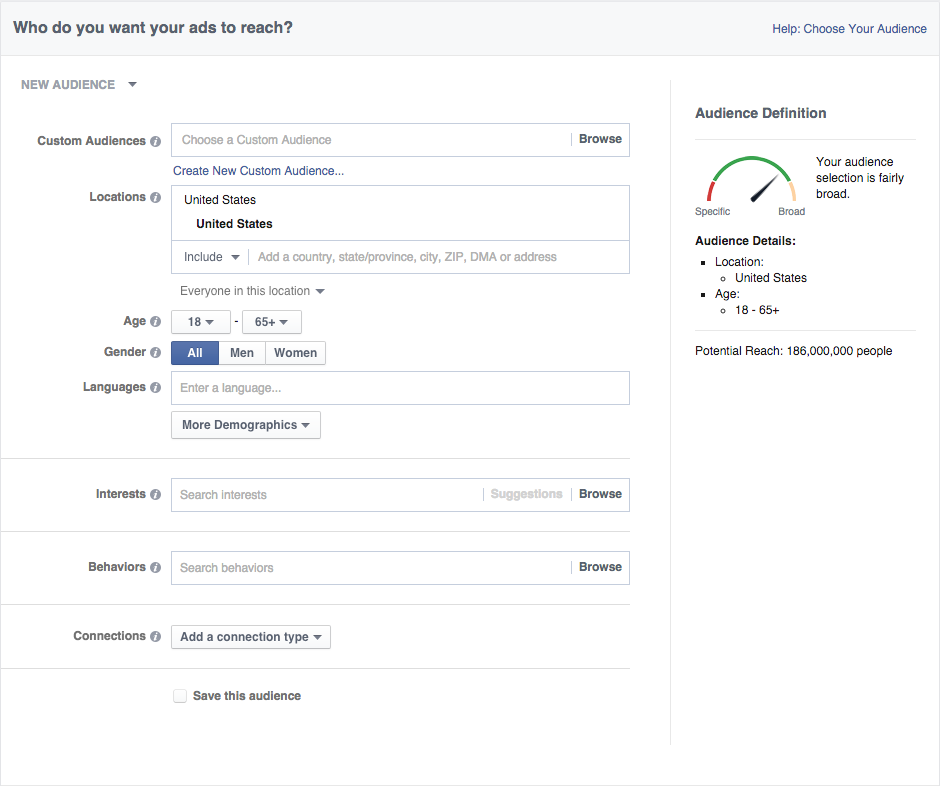
Unless you do it the right way, social media also isn’t actionable. I have this argument all the time with potential clients. Social media isn’t really marketing unless your ultimate goal is to drive traffic to your website. Sure, I know Facebook is really pushing its Marketplace, but there are lots of reasons to use an ecommerce website (with a blog) over the tools offered there.
Extending this argument means your goal with social media marketing should be driving traffic to your website (digital media), so social media isn’t really actionable by itself.
Is it all about the click?
Let’s return to my original statement — it’s all about the click. Is that really true?
And, if it’s all about the click, why use traditional media and social media when they don’t generate clicks?
Traditional and social media both make sense because they drive potential consumers along the customer journey. Conversion is merely the end of that journey, and too great a focus on the end reduces the likelihood of ever getting there.
To use a football analogy (with apologies to my readers outside the US, for whom US football doesn’t exist), even though you only score when the football gets into the end zone (converts), you can’t throw a series of “hail mary’s (a term referring to a long pass aimed close to the end zone with the notion of a quick score). Instead, you systematically move the ball down the field in a series of first downs until you’re within striking distance of the end zone.
The customer journey is the same way. It would help if you focused on moving consumers from:
- reach
- acquire
- develop
- advocate
Reach
Traditional and social media are excellent for reaching potential consumers with commercial messaging. Think about a Super Bowl ad. It reached over 100 million viewers in 2014. A well-crafted social media strategy amplifies your original message so it might reach millions or billions on Twitter, Facebook, YouTube, or another social platform.
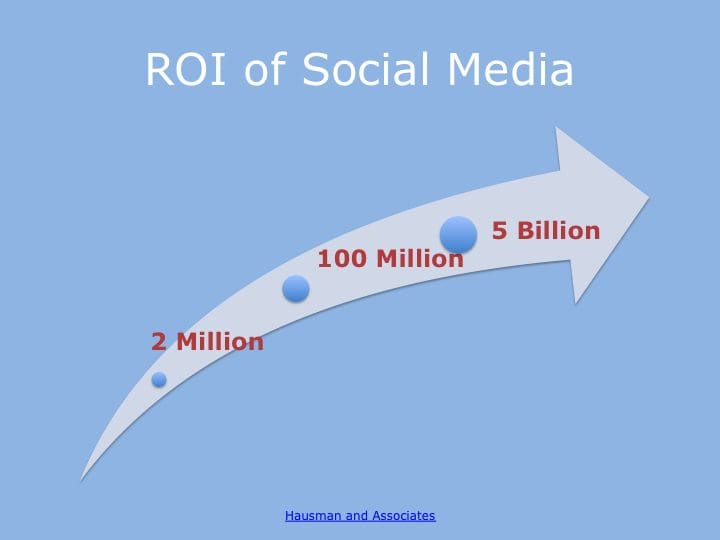 However, I question the wisdom of spending $4 million on a 30-second Super Bowl ad when your entire digital marketing budget is only a little more than that. I think heavy spending on traditional advertising stems from the fact that traditional advertising has been used for over a century to mass-market products. Reducing spend on traditional advertising spells disgrace and potential dismissal for the executive making that decision if sales drop even slightly. Meanwhile, the upside of using digital advertising is both less tangible and slow. No one is likely to lose their job over NOT doing digital marketing and, even successful digital media is more a slow burn than an immediate spike in sales.
Acquire
Consumers buy products based on emotion, not reason. Even industrial buyers.
Social media, traditional media, and digital media all aid in pushing the emotional buttons that drive sales. Hence, setting the stage for conversion, social media, traditional media and digital media establish the brand image and make the emotional connections necessary to make conversion happen.
Develop
Developing your audience happens better on social and digital media because there’s more real estate and more frequent interactions on these platforms than on traditional media. In part, that’s because content distribution on social and digital networks is free or at a lower cost, while traditional channels charge high fees for distributing content, as you can see below.
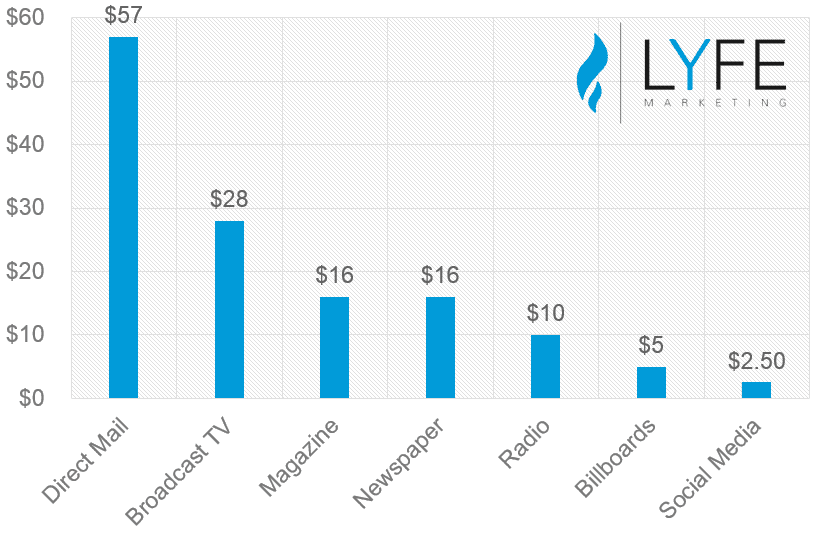
Now, don’t get me wrong—content marketing isn’t free, and it’s far from it. But distribution is free. And it’s that consistent flow of valuable content that makes social and digital media work. It’s the grease that gets your brand to show up in all kinds of searches (not just internet searches but on all kinds of social platforms).
Content (both created and curated) goes beyond emotional involvement with the brand by creating a tit-for-tat relationship. This indebtedness creates an obligation, making purchases more likely.
Not only that, a sound content marketing strategy of sharing value with your target market clearly establishes you as a leader in your industry and, in many cases, an expert in your field. Your target audience trusts you and that trust results in conversion.
Advocate
In the old days, consumers might have gone around humming your jingle, thus sharing your brand with others. Today, social and digital media generate the engagement that drives advocacy.
Don’t underestimate the importance of an advocate. Sometimes called brand champions or brand ambassadors, advocates are your brand’s online cheerleaders. They not only add their voice to your marketing messages, which makes them more trustworthy, but they also aid in customer support by answering questions and solving user problems.
Conclusion
I hope this post convinced you that it’s less a situation of traditional media versus digital media and more a situation in which you should combine the two approaches to marketing your brand effectively, with the clear understanding that each contributes in its own way toward improving your conversion rate. However, this successful combination of various media into an effective marketing campaign requires a consistent message that takes advantage of the different platforms while maintaining a single focus of that message that’s clearly understood by your target market. We call this integrated marketing communication and it’s essential if you want to optimize performance.
Otherwise, you end up wasting money (at best) or confusing consumers with conflicting messaging (at worst). Remember the old car ads you’d see on TV? Those created by the manufacturers were slick and promoted some aspect of their car that highlighted their competitive advantage over alternatives, while those produced by local dealers were often poor quality, failed to focus on the same competitive advantage (or any at all), and cheapened the image of the product they were trying to sell.
Hence, it would help if you created a single marketing campaign that combines both traditional and digital media in a way that shares a similar message with your target market and takes advantage of the strengths of each channel in terms of production and goal attainment.
Need marketing help to support business growth?
We welcome the opportunity to show you how we can make your marketing SIZZLE with our data-driven, results-oriented marketing strategies. Sign up for our FREE newsletter, get our FREE guide to creating an awesome website, or contact us for more information on hiring us.
Hausman and Associates, the publisher of MKT Maven, is a full-service marketing agency operating at the intersection of marketing and digital media. Check out our full range of services.
Discover more from MKT Maven
Subscribe to get the latest posts sent to your email.


