 logo

As a business owner, prioritizing safety goes beyond mere politeness—it’s a fundamental aspect of responsible management. When you proactively implement safety protocols, you not only safeguard your employees and visitors but also create a secure environment that fosters trust and confidence. From the moment someone steps onto your premises, they should feel assured that their well-being is your top priority. You can demonstrate your commitment to business safety through clear safety policies, proper training, and regular maintenance of equipment and facilities. Investing in safety measures may involve upfront costs, but it pays off by reducing the likelihood of accidents, avoiding legal liabilities, and enhancing your reputation.
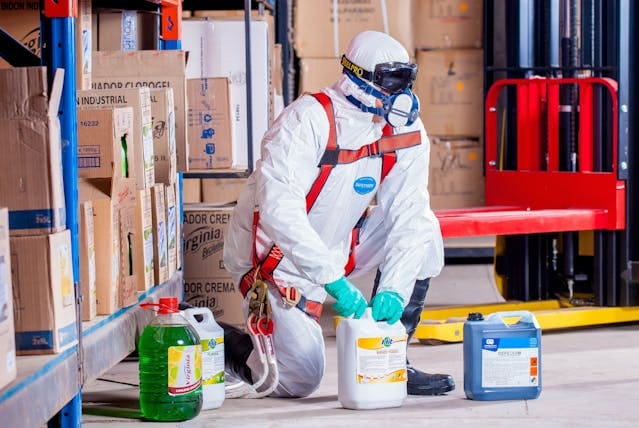
While you can’t always prevent every accident, you can improve business safety through diligent planning and applying best practices to your operation. Showing that you’ve taken all reasonable precautions sends a strong message that you value safety as an integral part of your business culture. It’s not enough to simply know what safety actions to take—you need to actively implement and reinforce them consistently. If you find an employee not applying the correct safety precautions, for instance, you should step in immediately to correct the problem before it results in injury or damage. This proactive approach helps to minimize risks and demonstrates your commitment to a safe environment.
Because most countries have strict guidelines to protect worker safety and the courts are quick to assess punitive damages when injury occurs at your business, this proactive approach makes sound financial sense. Also, you should consider the disruption to your operation that occurs when you must shut down after an accident for an investigation, the damage to employee morale that results in lower productivity, and the potential damage to your facility and equipment. It’s easy to see where an ounce of prevention is worth a pound of cure.
We are here to help. Below, we’ll walk you through practical, effective steps that you can take to protect your business, employees, and visitors. These include conducting comprehensive safety assessments, providing proper training, maintaining equipment, establishing emergency procedures, and fostering a culture of safety awareness. Staying ahead of potential hazards and being prepared is essential for long-term success. Are you ready to make a meaningful difference? Keep reading to learn how you can enhance safety in your business today.
Improving business safety
Signposting the correct areas
Effective signposting within your business is essential for ensuring safety and operational efficiency. By clearly marking designated areas, such as hazardous zones outlined in bright yellow tape or danger warnings in red, you help staff and visitors easily identify and avoid potential dangers. When marking hazardous areas, it’s crucial to use durable signage, like heavy duty stickers, which are designed to adhere securely to various surfaces and withstand environmental factors such as moisture and wear. Proper signposting not only enhances safety but also ensures compliance with health and safety regulations, reducing the risk of accidents and potential liabilities.
Even simple signs like the one below offer assistance in case of fire by flashing the location of stairwells and designating floor numbers. Note the addition of a fire alarm to notify others when anyone notices a fire.

Placing warning stickers in all areas where hazards could potentially cause injury is a critical safety measure in any environment, especially in workplaces such as construction sites, factories, warehouses, and laboratories. These warning stickers serve as visual alerts that draw attention to potential dangers, such as slippery surfaces, exposed electrical wiring, heavy machinery, or chemical hazards. Their primary purpose is to prevent accidents by informing workers and visitors of the inherent risks present in specific areas. Effective hazard communication through warning stickers helps promote a safety-conscious culture, encouraging individuals to exercise caution and follow safety protocols. Moreover, regulatory agencies like OSHA (Occupational Safety and Health Administration) in the United States, or similar bodies in other countries, often mandate the use of hazard warnings to ensure a minimum standard of safety. Failure to comply with these legal requirements can lead to legal ramifications for businesses, including fines or lawsuits resulting from injuries caused by overlooked hazards. Additionally, insurance claims and reputational damage can be long-term consequences of neglecting proper hazard communication. Properly maintained and clearly visible warning stickers are an inexpensive yet vital aspect of workplace safety. They should be placed at eye level, in well-lit areas, and replaced when damaged or obscured. Regular safety audits can help ensure that all warning stickers are in place and legible. Ultimately, the goal is to create a safe environment where risks are clearly communicated, accidents are minimized, and everyone can work confidently and safely.
Follow health and safety guidelines
Health and safety guidelines are essential protocols designed to protect individuals within the workplace from accidents and injuries. These guidelines are implemented to ensure a safe working environment for everyone involved in the business. When establishing a new company, it is crucial to thoroughly assess fire safety regulations applicable to your industry and location. This includes installing appropriate fire exit signs and ensuring clear, accessible escape routes in compliance with local fire codes. If you are unsure about how to effectively manage health and safety compliance, it may be beneficial to hire a qualified health and safety manager. Such a professional will have expert knowledge of safety regulations and procedures, and can develop comprehensive safety plans, conduct risk assessments, and train staff to respond effectively in emergencies, thereby minimizing potential hazards and ensuring legal compliance.
Implementing robust health and safety measures is not just about compliance; it is also about fostering a safety culture within the organization. This involves regular training sessions, ongoing safety audits, and encouraging employees to report unsafe conditions without fear of reprisal. Investing in safety equipment such as fire extinguishers, first aid kits, and personal protective equipment (PPE) further enhances workplace safety. Moreover, staying updated with evolving safety standards and legal requirements is vital, necessitating continuous review and improvement of safety policies. Ultimately, prioritizing health and safety can lead to increased productivity, reduced absenteeism, and a positive reputation that attracts both clients and talented employees.

Train employees in safety
Ensuring the safety of yourself, your business, and your employees in an office environment is a multifaceted task that extends beyond just emergency procedures. It requires a proactive approach that integrates comprehensive training in various safety protocols. The onboarding process should go over essential elements to ensure the safety of your staff and visitors, and then annual training should follow to ensure everyone is familiar with policies. For instance, conducting regular fire safety training is essential as it helps every team member understand the necessary steps to take during a fire emergency, including evacuation routes, using fire extinguishers properly, and assisting colleagues who may need help. Such training not only increases the likelihood of a safe evacuation but also promotes a culture of safety awareness.
Beyond fire safety, a holistic safety program should cover a variety of potential hazards that can occur in an office setting. This includes training on first aid response, emergency first aid kits, ergonomic practices to prevent workplace injuries, and awareness of cybersecurity threats to protect sensitive information. Regular drills and safety audits help identify and mitigate risks before they result in accidents or injuries. Encouraging open communication about safety concerns fosters a responsible environment where employees feel empowered to report hazards. Ultimately, integrating safety into the core values of the organization creates a resilient workplace where everyone understands their role in maintaining a secure and healthy environment.
Conclusion
So there you have it, you should now have a greater understanding of how to keep your business safe. It should be a top priority as the last thing you want is your business to go under, if you aren’t too sure how to go about it then chat to other experts in the field.
Need marketing help to support business growth?
We welcome the opportunity to show you how we can make your marketing SIZZLE with our data-driven, results-oriented marketing strategies. Sign up for our FREE newsletter, get our FREE guide to creating an awesome website, or contact us for more information on hiring us.
Hausman and Associates, the publisher of MKT Maven, is a full-service marketing agency operating at the intersection of marketing and digital media. Check out our full range of services.
Discover more from MKT Maven
Subscribe to get the latest posts sent to your email.


