 logo

In today’s digital marketing landscape, the integration of artificial intelligence (AI) has transformed how businesses create advertisements and promotional content in a world where demands for content are high and you need fresh content daily. Satisfying these content needs requires a serious commitment of resources that are in short supply in most organizations. Hence, businesses look for tools that make content creation easier without sacrificing quality. One notable content creation tool is the use of AI-driven text-to-speech (TTS) technology, often incorporated into video editing software that enables brands to produce high-quality voiceovers without the need, expense, and time required for human voice actors. This evolution has streamlined the ad creation process, making it more efficient and cost-effective. This guide delves into best practices for effectively utilizing TTS in your advertising and promotional endeavors.
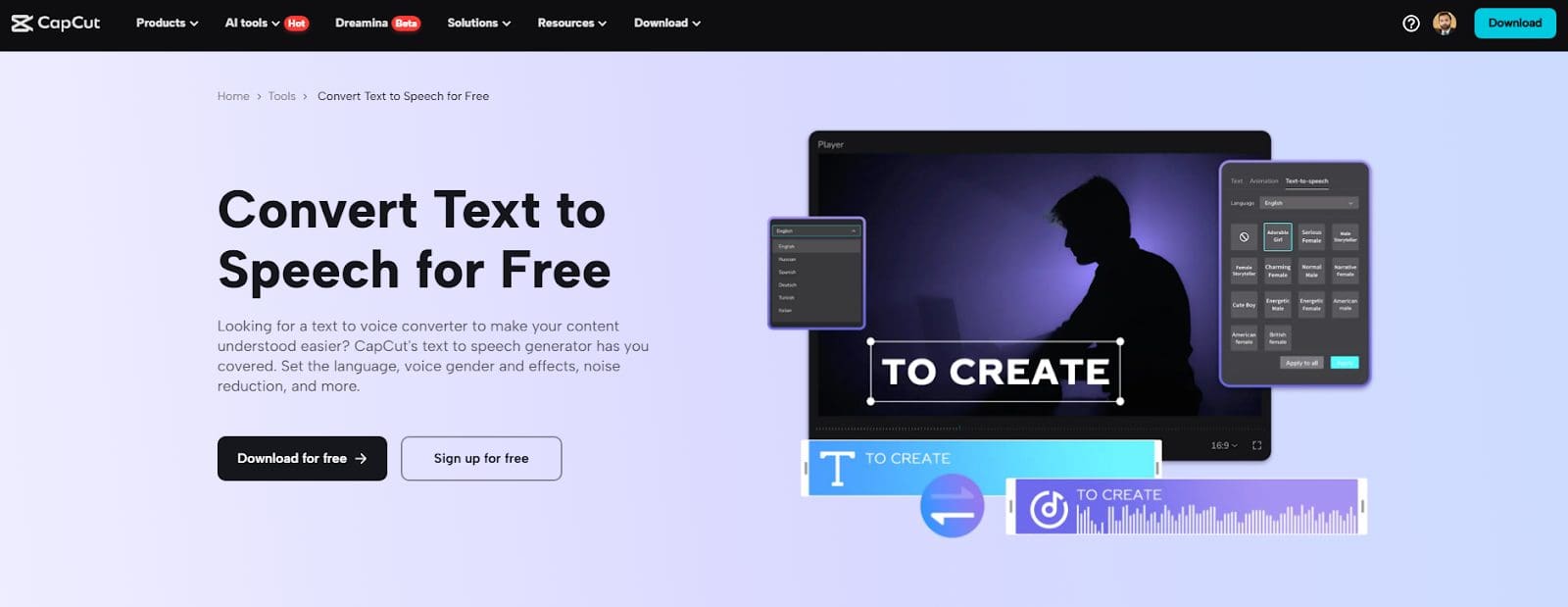
Creating successful campaigns using text-to-speech
Creating a successful campaign using TTS requires a number of steps and the choices you make along the way greatly impact your ability to achieve the campaign’s goals. So, let’s walk through some aspects of creating TTS that boosts your campaign results.
Choosing the right TTS voice for advertising
Selecting an appropriate TTS voice is crucial in conveying your brand’s message effectively and presenting a consistent brand image to your target market. Thus, the voice you choose should align seamlessly with your brand’s identity and the objectives of your campaign.
The first step in choosing the right voice is to understand your brand and the image you want to convey through advertising. That involves developing a deep understanding of your target market and the symbols, values, and images that are important to them. Then, you must match the tone and voice used in your advertising to appeal to this market so you can reach the campaign’s goals.
Your brand’s voice reflects its personality and values. By reflecting a positive image to prospective buyers, you position your brand as a good choice to satisfy their needs. For instance, a luxury brand might opt for a sophisticated and calm voice, while a tech startup could choose a more energetic and youthful tone. This alignment ensures consistency across all marketing materials, reinforcing brand recognition and trust.
Next, consider clarity and correct pronunciation to ensure your target market can easily comprehend your message. Remember that ads are frequently heard in a noisy or cluttered environment, and consumers aren’t focused on learning from your ad. By making the voice easy to understand, you can convey your message in this context. Also, remember that accents can make it harder for consumers to get your message and might impact perceptions of your brand based on inherent biases held by those consumers.
Clarity and correct pronunciation are non-negotiable in TTS applications. A voice that articulates words clearly ensures that your message is easily understood, reducing the risk of miscommunication. This is particularly important in diverse markets where accents and dialects vary. Testing the TTS voice across different demographics can help identify and mitigate potential comprehension issues.
Another aspect of voice to consider when creating your ads is the speed and pitch of the voice. The ability to customize pitch and speed in TTS technology allows for greater flexibility in tailoring the voice to suit various advertising formats. For example, a fast-paced, upbeat delivery might be suitable for a promotional sale ad, while a slower, more deliberate pace could be ideal for a product explainer video. Experimenting with these settings can lead to a more engaging and effective advertisement.
Creating engaging & persuasive audio ads with TTS
To captivate your audience, your audio ads must be infused with elements that evoke emotion and maintain interest.
Emotional tone, for instance, is an essential consideration in developing marketing messaging that converts. Emotions play a pivotal role in consumer decision-making. By incorporating an emotional tone into your text to speech voiceovers, you can create a deeper connection with your audience. Plus, the emotional tone can evoke emotions when consumers hear the message, which significantly impacts their willingness to purchase a product. Whether it’s excitement, empathy, or urgency, the right emotional cue can dramatically influence the effectiveness of your ad.
How can you make AI-generated voices more natural and expressive? Through advancements in AI that make them more natural and expressive TTS voices. Utilizing features such as intonation patterns, pauses, and emphasis on certain words can make AI-generated voices sound more human-like. Regularly updating your TTS software to the latest versions can provide access to these enhanced capabilities.
Another consideration is balancing TTS with background music and sound effects. An effective audio ad is a harmonious blend of voice, music, and sound effects. Careful selection of background music that complements the TTS voice without overpowering it is crucial. Similarly, sound effects should enhance the message without causing distraction. Balancing these elements ensures a cohesive and immersive listening experience.
Optimizing TTS for different marketing channels
Different platforms require tailored approaches to TTS implementation:
- Social media ads: platforms like TikTok, Instagram, and Facebook thrive on brief, attention-grabbing content. Utilize short, catchy voiceovers that quickly convey your message and encourage engagement.
- YouTube and video commercials: Longer formats allow for more detailed narratives. Employ dynamic AI voiceovers that maintain listener interest throughout the video.
- E-commerce and product demos: Enhance explainer videos with clear and informative TTS narration, effectively guiding potential customers through product features and benefits.
How to convert text to speech using CapCut desktop editor: Step-by-step
CapCut Desktop is a versatile video editing software that simplifies the process of adding TTS to your projects. Follow these steps to incorporate TTS into your videos:
Step 1: Install CapCut desktop and set up your project
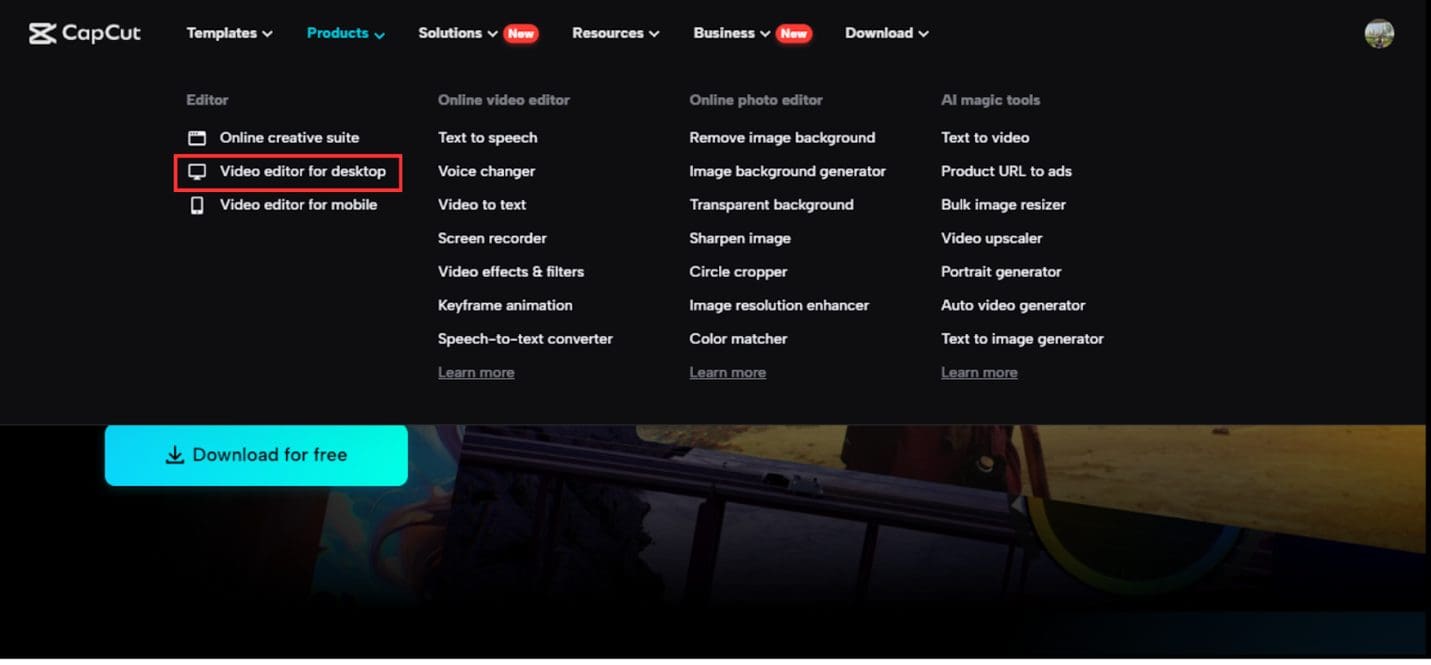
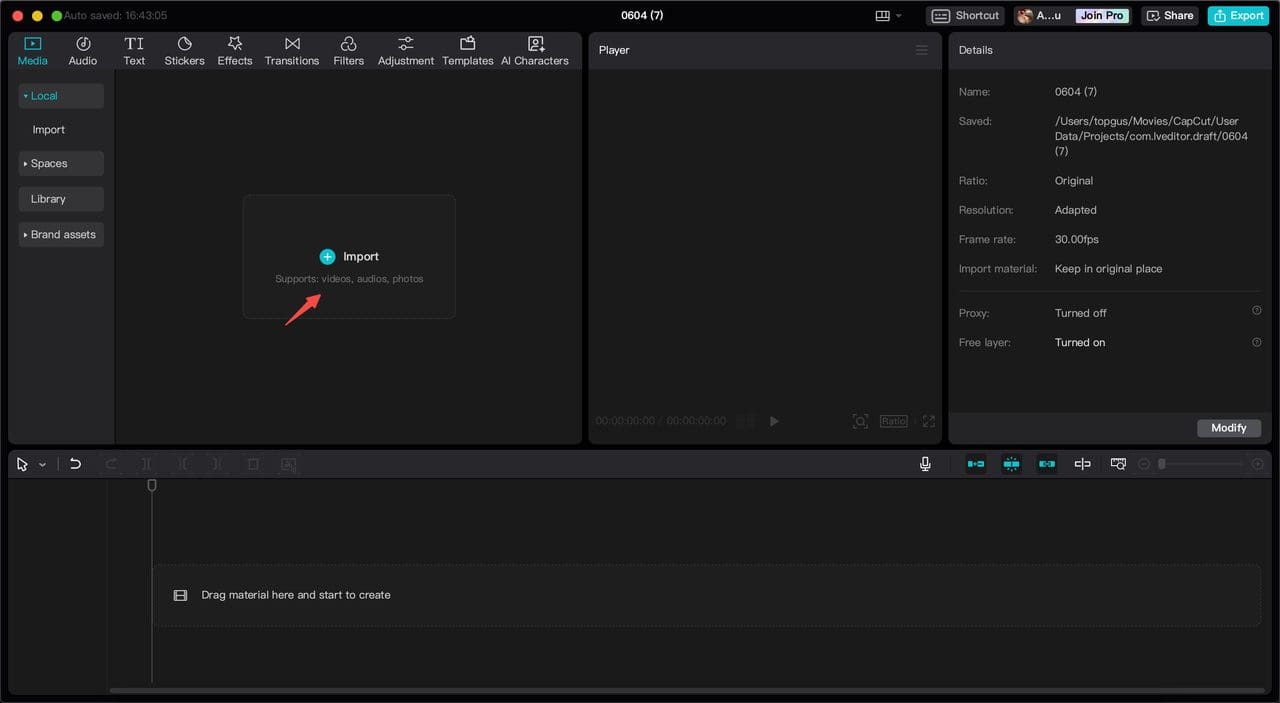
Begin by downloading CapCut’s free “Video Editor for Desktop” from the official website. After installation, open the software and log in. Create a new project by selecting “Create Project” and clicking “Import” to upload your video or add text manually within the editor.
Step 2: Add text – AI or manual entry
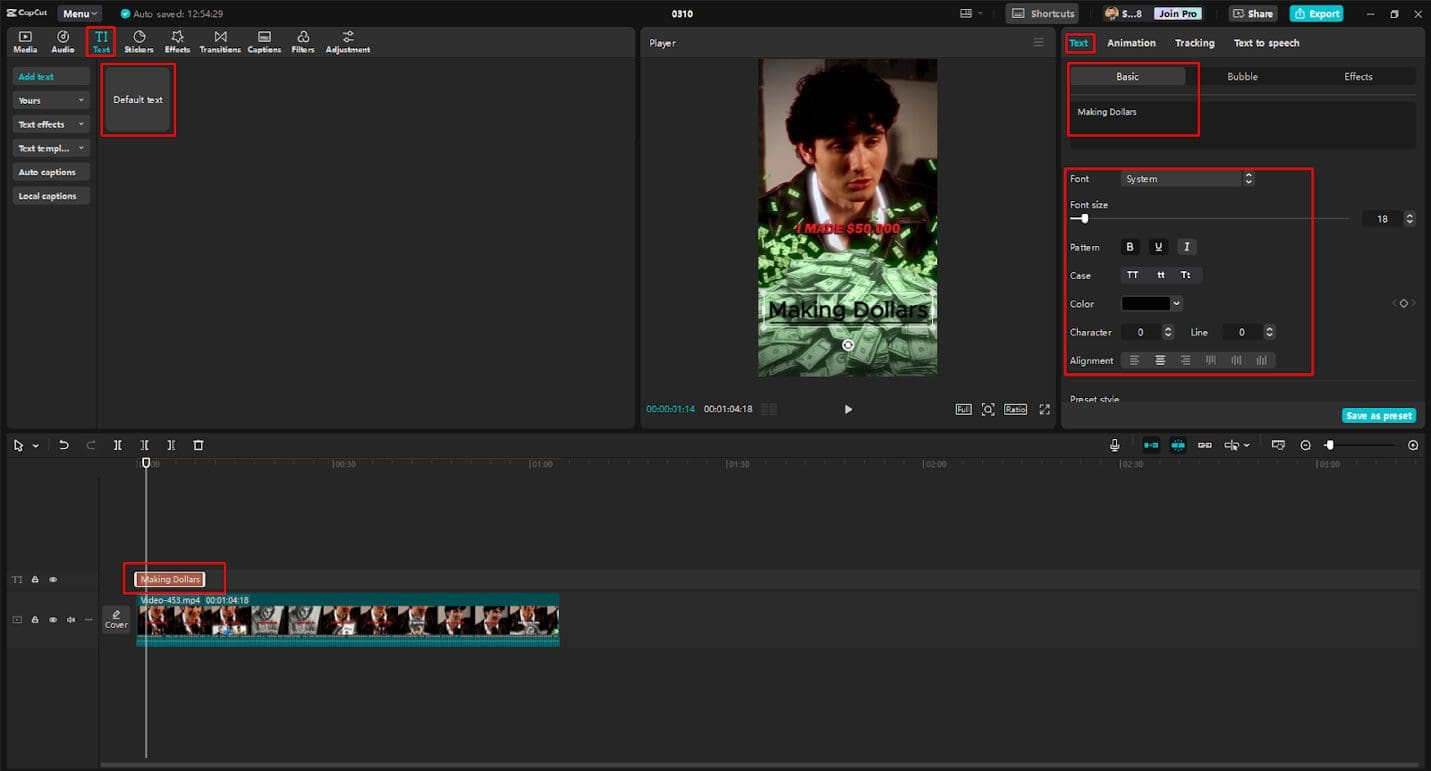
CapCut Desktop offers an AI caption generator that can automatically extract text from your video in multiple languages, including English, French, Korean, and German. To use this feature, drag your video file to the timeline, click the “Text” tab, and select the AI caption generator. Alternatively, you can manually add text by clicking “Add Text” under the “Text” tab, then edit the font size, color, and alignment as desired.
Step 3: Convert your text into speech
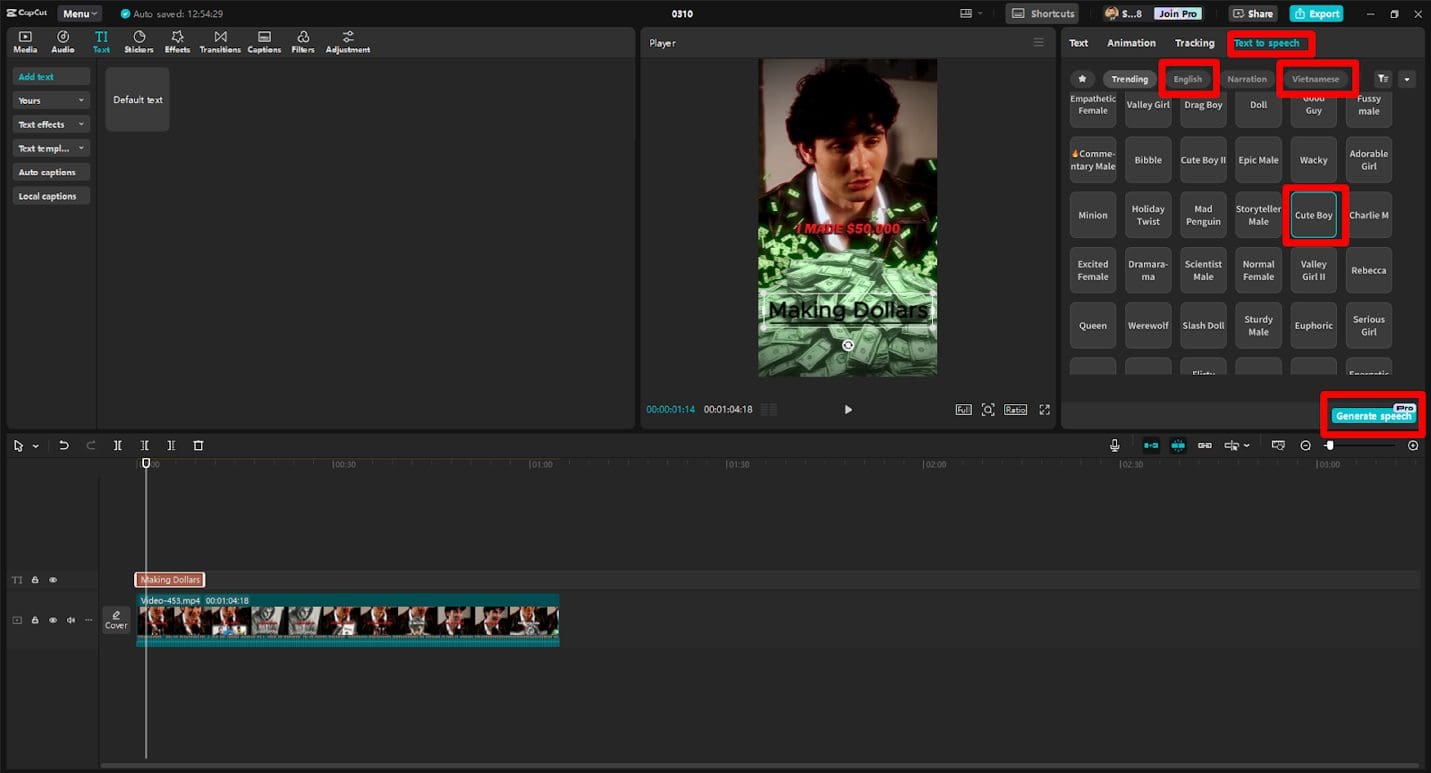
In the right panel, click “Text-to-Speech” and choose a language such as English, French, or Vietnamese. Select from AI-generated voice characters like Cute Boy, Confident Male, Normal Female, and Sturdy Male. Adjust settings such as speed, pitch, and tone to achieve a polished, professional result. You can also enhance your video with effects, transitions, and animations from the “Effects” menu to make your content more engaging.
Step 4: Export and publish your video
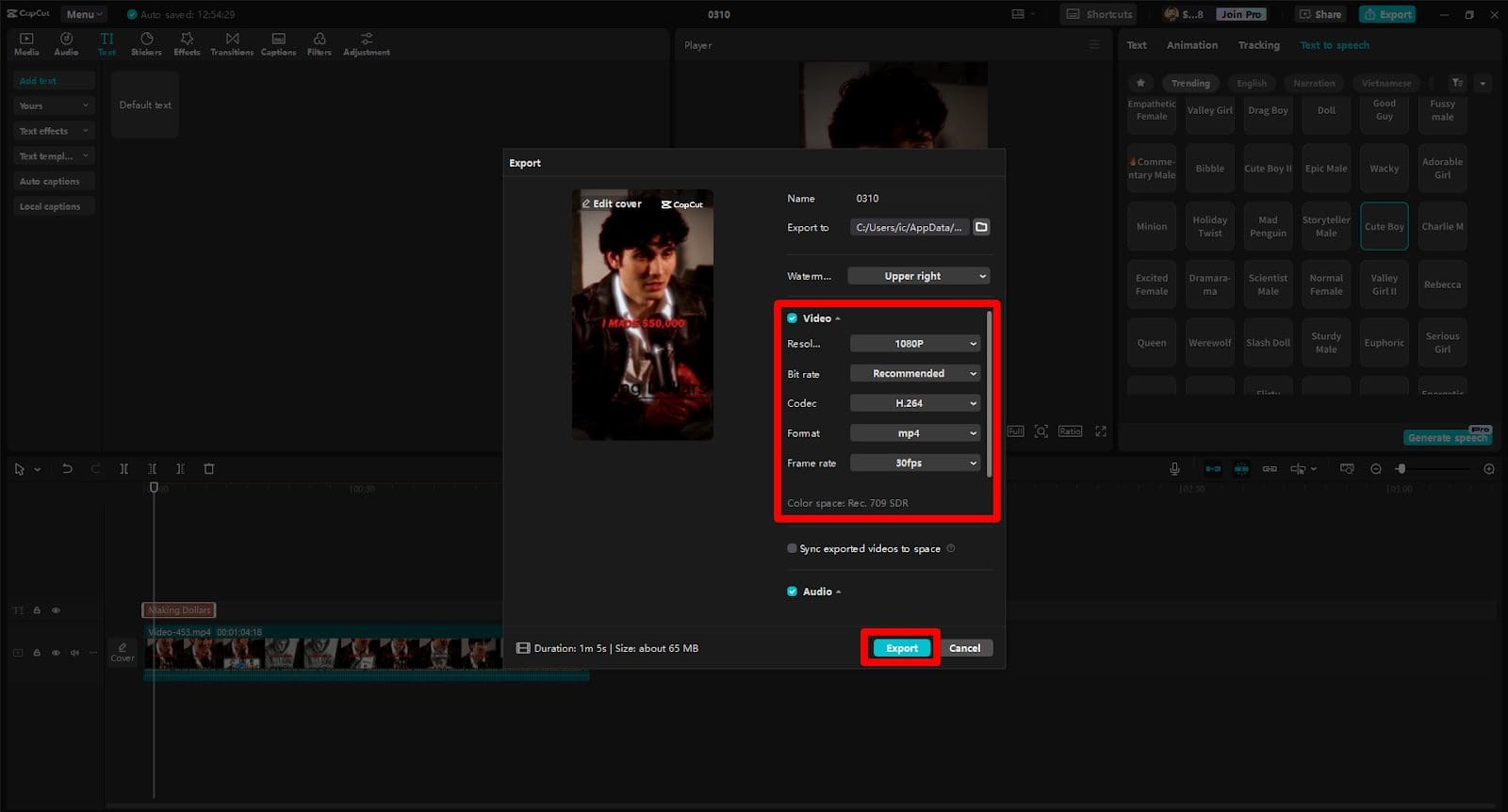
Once satisfied with your project, click “Export.” Set your export preferences, including file name, resolution, format (MP4, WAV, etc.), and quality. Before sharing on platforms like TikTok or YouTube, ensure that your content complies with copyright regulations. After verifying, proceed to export and share your video.
 Conclusion
Integrating text-to-speech technology into your advertising and promotional strategies can significantly enhance content creation efficiency and audience engagement. By carefully selecting appropriate TTS voices, crafting emotionally resonant messages, and optimizing content for various platforms, you can leverage AI-generated voiceovers to their fullest potential. Tools like CapCut Desktop further simplify this process, making high-quality audio integration accessible to creators at all levels. Embrace TTS technology to stay ahead in the evolving digital marketing landscape.
Need marketing help to support business growth?
We welcome the opportunity to show you how we can make your marketing SIZZLE with our data-driven, results-oriented marketing strategies. Sign up for our FREE newsletter, get our FREE guide to creating an awesome website, or contact us for more information on hiring us.
Hausman and Associates, the publisher of MKT Maven, is a full-service marketing agency operating at the intersection of marketing and digital media. Check out our full range of services.
Discover more from MKT Maven
Subscribe to get the latest posts sent to your email.


