 logo

Shoppable video is the game of the future for influencers, consumer brands, and the increasingly connected consumers who are constantly plugged into an internet-connected device. Last week, we posted content to help our small business readers adapt to the new realities of digital marketing, which increasingly require you to adjust your goals, especially when it comes to driving traffic to your website.
As the lines between entertainment and commerce continue to blur, you need to consider the many conversion channels available to your brand and strengthen your ability to optimize your ability to make a sale wherever your target market wants to find your products in a way that feels natural to them. It’s not just a trend—it’s a fundamental shift in how consumers, especially younger ones, discover, engage with, and purchase products in the age of social commerce.
Increasingly, consumers want frictionless shopping experiences that don’t interrupt their enjoyment on TikTok, Instagram Reels, YouTube, or other online streaming platforms where they turn for entertainment today. Having cut the cord years ago, these consumers want to eliminate traditional online shopping or even shopping in a physical store by buying the products they see in their favorite entertainment channel with a click.
What is shoppable video?
Simply put, a shoppable video is an interactive piece of video content that enables viewers to purchase a product directly from within the video itself.
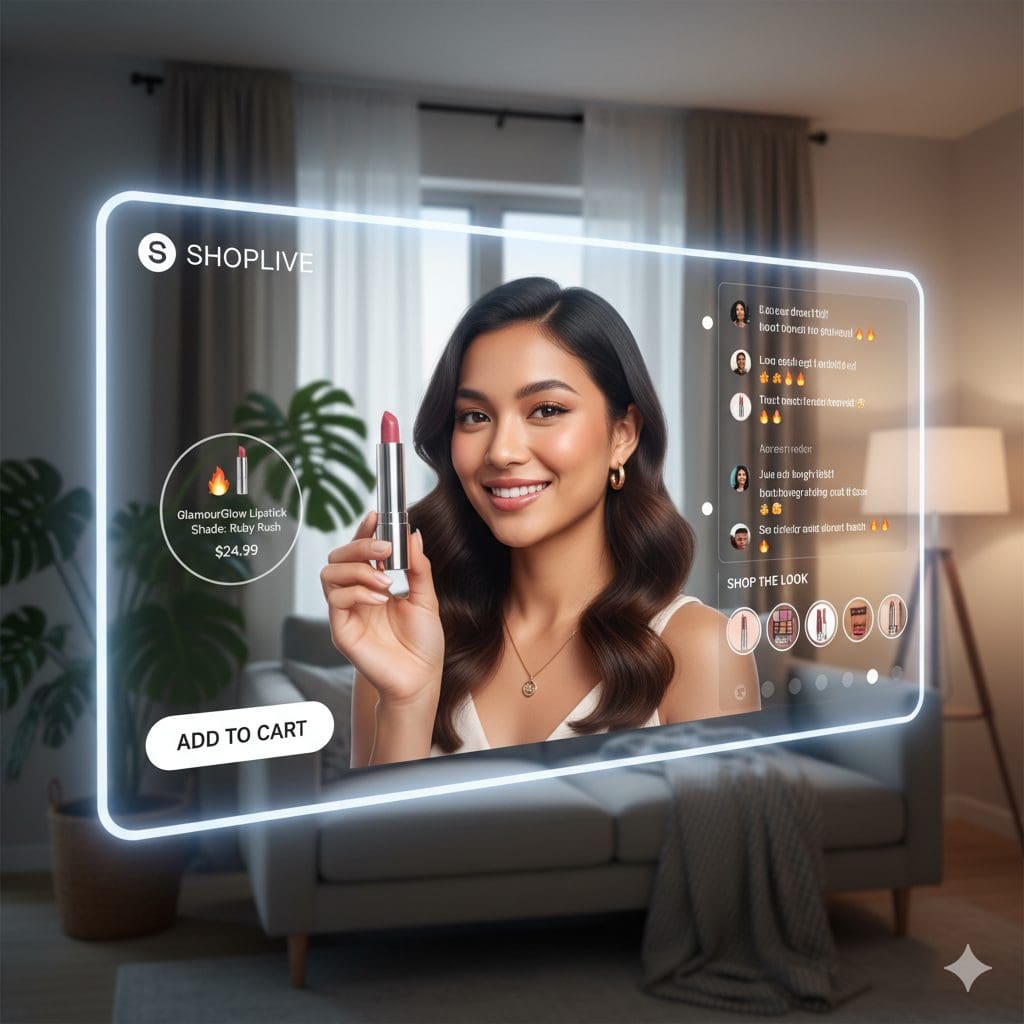
Imagine watching a beauty tutorial on your favorite social platform. The influencer holds up a lipstick, and instantly, a small, clickable tag or pop-up appears with the product name and price. You click it, add it to your cart, and check out—all without leaving the video or the app. That’s the power of shoppable video in action.
Three elements of these videos
Obviously, you can’t currently purchase products from every video. The video must contain an interactive element, such as a clickable icon, link, or, as in the image shared earlier, a video overlay of a shopping cart. These turn your video into an interactive entertainment tool for demonstrating your products, cooking tutorials, or fashion shows. You can even include these interactive elements within regular entertainment. For instance, if you just love the sweater worn by an actor in a TV drama, click to learn more about it or even buy it without leaving the show (although this feature is in its very early stages with options on Prime Video, Max, and Peacock).
Next, you need to provide product information just like you would on a standard landing page on your website, including price and purchase options. This information should end with a one-click shopping option. Hence, two clicks from your entertainment and the product is speeding toward your home or office.
Key features often include:
- Clickable hotspots: Tags or overlays on products as they appear in the video.
- Integrated product details: View price, color options, and descriptions within the video player.
- Seamless checkout: The ability to add to cart and purchase with minimal steps.
- Live shopping: Real-time streams where hosts showcase products and viewers can buy instantly.
Social commerce options for video marketing
Shoppable video is the engine driving the growth of social commerce, which involves selling products directly from a social media platform. Social commerce thrives because it meets the modern consumer where they already spend their time: connecting, scrolling, and being entertained.
Social platforms like Instagram, TikTok, YouTube, and Facebook have integrated commerce features—from “Shops” to shoppable Reels and Live streams—making the journey from discovery to purchase incredibly short and convenient.
Why shoppable video is a game-changer
According to a study by Think With Google, over 60% of shoppers report that online video has given them ideas or inspiration for their purchases. Moreover, according to recent studies, 84% of consumers have been convinced to buy a product after watching a brand’s video. So, why not capitalize on these purchase intentions before the inspiration fades or consumers forget about the product? For brands looking to thrive in the social commerce landscape, shoppable video offers compelling advantages:
1. Boosted conversion rates
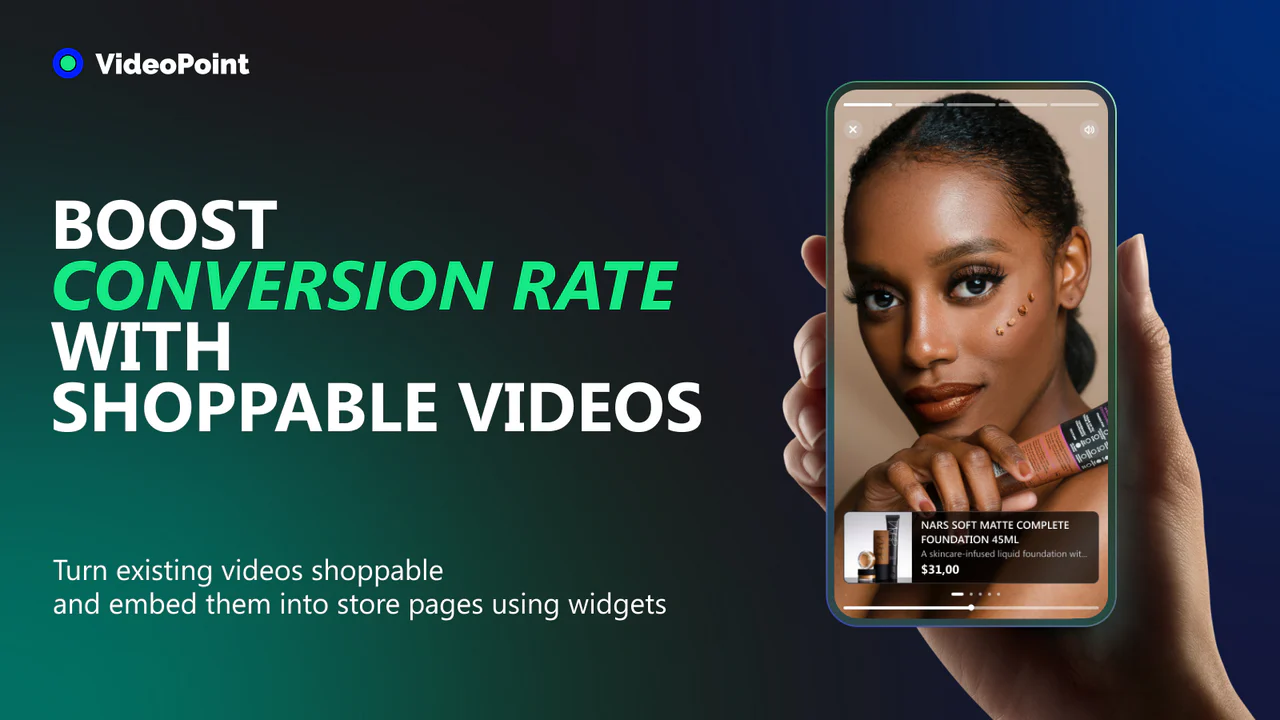
By eliminating the need for viewers to search for a product on a separate website, you drastically reduce the chance of cart abandonment. The path to purchase is streamlined, converting a moment of interest into an immediate sale. Data shows that interactive videos can lead to significantly higher conversion rates compared to traditional video ads.
2. Enhanced customer engagement
Video, by nature, is highly engaging, allowing you to showcase products in action, provide tutorials, and tell compelling brand stories. Adding interactive elements—like clickable tags, polls, and real-time chat in a live stream—turns a passive viewing experience into an active shopping one, building a deeper connection with your audience.
3. Improved product visualization
Seeing is believing. Shoppable videos, whether they’re a quick unboxing, a detailed product demo, or a lifestyle lookbook, allow customers to better visualize how a product fits into their lives, reducing purchase uncertainty and potentially lowering return rates.
4. Valuable customer data
Shoppable video platforms provide critical insights into customer behavior. You can track which products are clicked most often, when viewers drop off, and which content formats perform best, allowing you to refine your content and sales strategy.
The future is interactive: Trends to watch
The marriage of shoppable video and social commerce is only getting stronger. Here are a few trends shaping the future:
- Live shopping dominance: Influencer-led live streams are turning into massive, interactive shopping events, especially for flash sales and new product launches.
- AR try-ons: Augmented Reality (AR) will integrate more seamlessly with shoppable videos, allowing viewers to virtually “try on” makeup, clothing, or even place furniture in their home before clicking to buy.
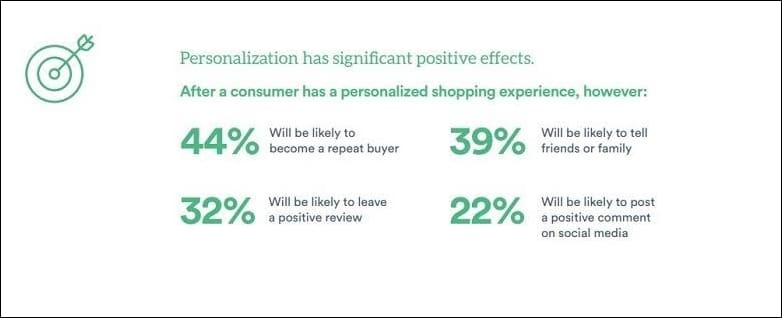
- Hyper-personalization: AI-powered tools will analyze individual viewing habits to serve up personalized shoppable video content, making recommendations highly relevant and driving impulse buys.
How to make and market shoppable video

Creating and marketing shoppable videos seamlessly blends storytelling (entertainment), content marketing, and e-commerce. Creating them, as we saw earlier, improves conversions, supports your brand, helps consumers understand your products, and provides insights into your target market.
Step 1: Identify your objectives
This step is no different from every other marketing tactic you use or plan to use. You need to identify your target market and set the objectives for your video. Also, establish your KPIs (key performance indicators) to aid in assessing your campaign performance.
Step 2: Plan a storyline
Shoppable video is very different from many other types of video you might create because you’re not simply making a product catalog, but a form of entertainment or instruction. Just like a commercial, you need characters that drive emotion, a story your target market can engage with, and dialogue that highlights the benefits of the product either implicitly or explicitly. Create a storyboard so you know where you’re going before you start filming.
You might choose a tutorial for your video or film an unboxing video. For a fashion brand, a “day in the life” often works well to motivate buyers.
When creating the storyboard, keep these elements in mind:
Short scenes with a goal of 30-60 seconds for TikTok and Instagram Reels or 7-15 minutes for YouTube.
Include callouts or hotspots that attract attention using contrasting colors, pulsing, or animation.
Product tags should fit organically into your video.
Add captions for users who watch the video without sound.
Step 3: Choose the right tools
Below, you can see several tools that make it easy to create shoppable videos. Choose the ones that meet your goals and recognize that you might need different tools at different stages of production.
Step 4: Shoot the video
Gather the tools you’ll need for video creation. You’ll need:
A camera, although video on many platforms doesn’t require studio-quality video.
Lighting
A microphone that blocks unwanted sound.
A script, although you don’t want it to make your actors sound stilted or overrehearsed. An outline might work best.
Actors who look like real people. Be careful with makeup and hairstyles. You might also use visuals, such as graphics, screenshots, and images, to break up the video, but you want real people to dominate your video.
Showcase your products in action.
Step 5: Add shoppable elements

Place shoppable elements, like hotspots, during natural pauses in the narrative so they’re less intrusive. You can also embed links or QR codes within the video
Enable in-app shopping features, which vary by platform.
Use overlays, like shop the look, to encourage conversion
Add clear CTAs (calls to action).
Step 6: Optimize for the platform
Platforms vary in how they handle shoppable elements, as well as the rules and norms for video, in general. Ensure you conform to the platform you’re using, as well as your target market.
Step 7: Test and Refine
Before launching your video, consider testing it to ensure it works perfectly on your chosen platform. Once uploaded, track the performance of each element to optimize overall performance. Just as with any other marketing tactic, monitor your KPIs frequently, especially in the first few hours, to ensure viewers are engaging with your content. Monitor comments to ensure everything works as expected by them.
You might run A/B testing on key elements, such as CTAs and interactive elements. If you find one version doing better than others in these tests, or you find problems identified by viewers, make changes quickly. You might consider taking down the video to avoid any reputational damage and allow time for updating the content.
Step 8: Market your video
You can’t expect to achieve success with a single shoppable video. Like any marketing strategy, video marketing requires a sustained marketing effort. Hence, plan to create videos on a schedule to attract subscribers and encourage them to tune in for new video releases.
You also need to market your videos to attract viewers. Consider paid advertising on the platforms where you place your videos. Also include links or embed them in your other content marketing efforts, such as including them as blog posts, sending them in your next email message, or pinning them on Pinterest.
Content creation is time-consuming and expensive. Consider ways to get multiple content pieces from a single video by creating a TikTok or YouTube short from a longer video, creating a blog post containing the captions and images from your video, or creating a video carousel highlighting a few videos to share on social media platforms.
UGC (user-generated content) achieves higher metrics than your more polished ads. So, invite users to a live Q&A session that expands on the product or tap into influencers to share elements. You can even hosts contests around the video
Conclusion
Shoppable video is more than just a shiny new tactic; it’s a vital component of a modern, customer-centric retail strategy. By embracing this format, you are transforming your content from a passive advertisement into an active, on-demand storefront, ready to capture sales the moment inspiration strikes.
Don’t just entertain your audience—invite them to shop. The next time you plan a video campaign, remember to make it immediately, irresistibly shoppable.
Need marketing help to support business growth?
We welcome the opportunity to show you how we can make your marketing SIZZLE with our data-driven, results-oriented marketing strategies. Sign up for our FREE newsletter, get our FREE guide to creating an awesome website, or contact us for more information on hiring us.
Hausman and Associates, the publisher of MKT Maven, is a full-service marketing agency operating at the intersection of marketing and digital media. Check out our full range of services.
Discover more from MKT Maven
Subscribe to get the latest posts sent to your email.


